What Features Should You Look for When Choosing Kids Helmets?
Safety should always be a priority when children ride bicycles, scooters, or travel on two-wheelers. A properly selected helmet can help reduce the risk of serious head injuries during an accident or fall. However, choosing the right helmet for a child involves more than simply selecting a colourful design. Parents should consider fit, certification, comfort, construction, visibility, and other practical features before making a purchase.
With many options available, understanding the important features of kids helmets can make the selection process easier. A suitable helmet should fit correctly, remain securely positioned, and be comfortable enough for a child to wear consistently.
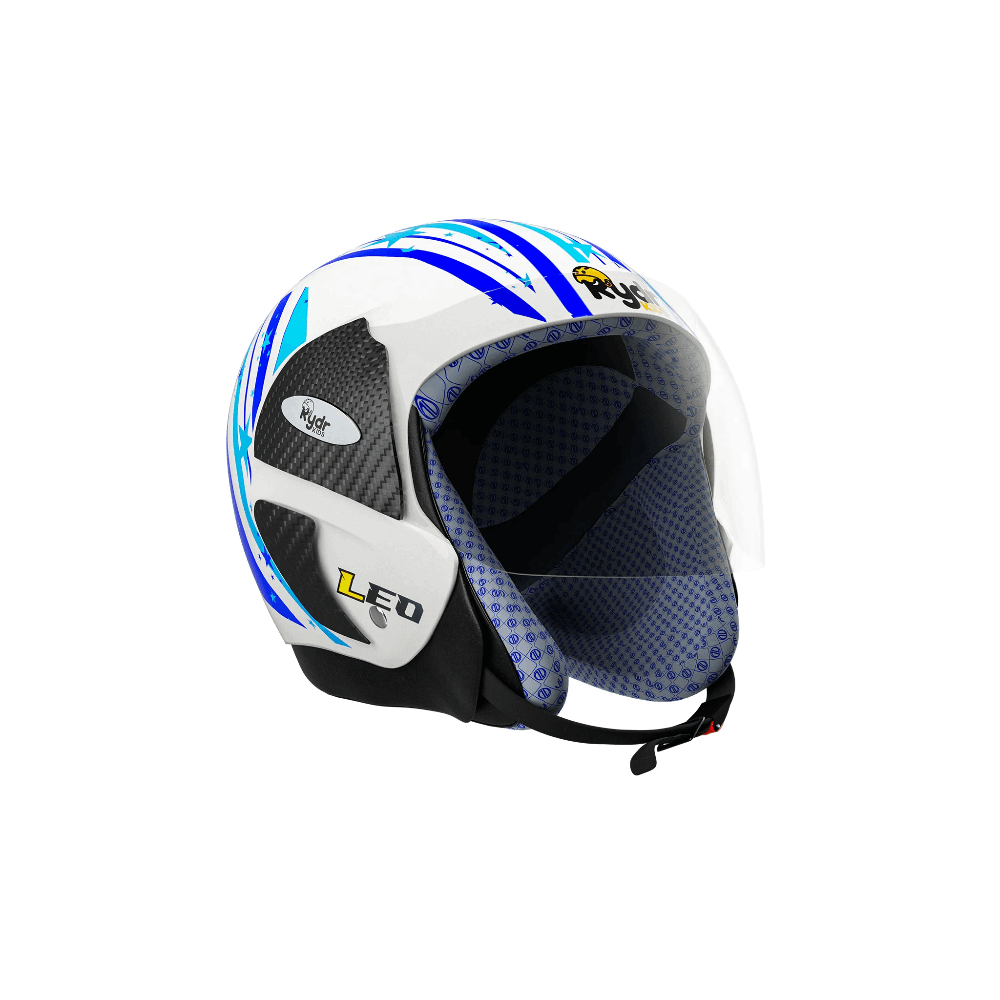
Why Is a Helmet Important for Children?
Children can be more vulnerable to head injuries because of their developing coordination and riding skills. Falls can happen unexpectedly, even when a child is riding in a familiar area.
A helmet is designed to provide a layer of protection around the head during certain impacts. It does not eliminate the risk of injury, but wearing a properly fitted helmet can be an important part of a child's overall riding safety routine.
Parents should also teach children safe riding habits, follow local traffic rules, and supervise younger riders when appropriate.
1. Correct Fit
Fit is one of the most important factors when choosing kids helmets.
A helmet should sit level on the child's head rather than tilting backward or forward. It should feel secure without creating uncomfortable pressure.
The helmet should not move excessively when the child shakes their head. Parents should check the manufacturer's sizing guidance and measure the child's head according to the instructions.
Avoid buying a helmet that is significantly too large with the expectation that the child will grow into it. A properly fitted helmet is important for effective positioning.
2. Safety Certification
Parents should look for helmets that meet applicable safety standards and certifications for their intended use and region.
Safety standards establish performance requirements that helmets must meet, including requirements related to impact protection and retention systems.
Before purchasing kids helmets, check the product label, certification markings, and manufacturer's information. Make sure the helmet is intended for the activity for which it will be used.
Certification requirements can differ depending on the country and type of riding, so checking the applicable local standard is important.
3. Adjustable Straps
A good helmet should have an adjustable retention system that allows it to stay securely positioned.
The chin strap should be adjusted so it is snug without being excessively tight. The straps should form a comfortable and secure arrangement around the ears.
Many helmets include adjustment systems that make it easier to fine-tune the fit as needed.
Parents should periodically check the straps because they may loosen or become incorrectly positioned with regular use.
4. Comfortable Interior Padding
Children are more likely to wear a helmet consistently if it feels comfortable.
Look for suitable internal padding that provides cushioning and helps improve comfort during riding. Removable or washable padding can also make regular maintenance easier.
The padding should not create excessive pressure points. If a child repeatedly complains about discomfort, parents should check the fit and sizing rather than assuming the child simply dislikes wearing a helmet.
5. Lightweight Construction
A helmet should provide appropriate protection without being unnecessarily heavy.
A lightweight design can make riding more comfortable, especially for younger children who may find heavier helmets tiring to wear.
However, weight should never be considered independently of safety certification and construction quality. The primary priority should be choosing a properly certified helmet that fits the child correctly.
6. Ventilation
Ventilation can improve comfort by allowing airflow around the head.
Children may become warm during cycling, outdoor play, or longer rides. Properly designed ventilation openings can help reduce heat buildup and make the helmet more comfortable.
The number and placement of vents can vary between helmet designs, so parents should consider the child's typical riding environment when selecting a model.
7. Secure Buckle System
The buckle should be easy for an adult to operate while remaining securely fastened during use.
Parents should make sure the buckle is fully closed before the child begins riding. The retention system should not be loose enough for the helmet to shift significantly.
Some designs include child-friendly buckles or protective features intended to reduce discomfort around the chin.
8. Visibility Features
Visibility is another useful feature, particularly when children ride outdoors.
Bright colours, reflective elements, and other visibility-focused details can make a rider easier to notice in certain conditions.
Although visibility features should not replace safe riding practices, they can complement other precautions when children are riding near roads or in lower-light environments.
9. Durable Exterior
The outer shell should be made from materials appropriate for the helmet's intended use and safety standard.
Parents should inspect the helmet regularly for cracks, significant damage, loose components, or other signs of wear.
A helmet that has experienced a significant impact may need to be replaced even if visible damage is not obvious. Always follow the manufacturer's guidance regarding replacement after an impact.
10. Appropriate Design for the Activity
Not every helmet is designed for every type of riding.
A helmet intended for cycling may have different design characteristics from one intended for other activities. Parents should select a helmet based on how the child will use it.
If the child participates in different sports or activities, check whether the helmet is certified and appropriate for each specific use rather than assuming one helmet is suitable for everything.
How to Check the Helmet Fit
Once you have selected kids helmets, take a few moments to check the fit.
The helmet should sit level on the head and cover the appropriate areas according to its design. The front should not be positioned too far above the forehead.
The straps should be adjusted so the helmet remains secure without causing discomfort. After fastening, gently move the helmet from side to side. It should remain reasonably stable rather than sliding significantly.
Children should also be taught not to wear caps, thick hair accessories, or other items underneath the helmet if they interfere with the proper fit.
How to Maintain Kids Helmets
Regular inspection can help identify problems early.
Keep the helmet clean using the manufacturer's recommended cleaning method. Avoid harsh chemicals or modifications that could affect the helmet materials.
Store it in a cool, dry location away from excessive heat. Do not attach accessories that are not approved by the manufacturer, as modifications may affect safety performance.
Parents should also check the helmet periodically for visible damage, worn straps, or problems with the buckle.
Common Mistakes to Avoid
When choosing a helmet, avoid selecting one based only on appearance or price.
Other common mistakes include:
- Choosing the wrong size
- Buying a helmet that is too loose
- Failing to adjust the straps
- Ignoring certification information
- Using a damaged helmet
- Assuming one helmet works for every activity
- Allowing children to ride without fastening the chin strap
A few minutes spent checking these details can make helmet use more effective and comfortable.
Frequently Asked Questions
1. What should I look for when buying kids helmets?
Look for the correct size and fit, appropriate safety certification, adjustable straps, a secure buckle, comfortable padding, suitable ventilation, and construction designed for the child's riding activity.
2. How should a child's helmet fit?
The helmet should sit level and securely on the child's head without excessive movement. The straps should be adjusted so the helmet stays properly positioned without causing discomfort.
3. Can children use an adult-sized helmet?
A child should generally use a helmet designed to fit their head properly rather than wearing an oversized adult helmet. Check the manufacturer's sizing recommendations before purchasing.
4. When should kids helmets be replaced?
Replace a helmet after a significant impact or when it shows damage, depending on the manufacturer's recommendations. Helmets should also be inspected regularly for worn straps, damaged components, or other signs of deterioration.
5. Are ventilation and lightweight designs important?
They can improve comfort, especially during longer rides or warm weather. However, safety certification, correct fit, and appropriate construction should remain the most important considerations.
Final Thoughts
Choosing the right helmet for a child requires more attention than simply selecting a design they like. Fit, certification, secure straps, comfortable padding, ventilation, visibility, and appropriate construction all contribute to a practical helmet choice.
When selecting kids helmets, parents should prioritize a properly fitted and appropriately certified option designed for the child's intended activity. Regularly checking the fit, straps, buckle, and overall condition can also help maintain safe helmet use.
Most importantly, children should be encouraged to wear their helmets every time they ride and learn responsible riding habits from an early age. A comfortable, well-fitted helmet combined with good supervision and safe riding practices can make outdoor activities safer and more enjoyable.