The Rise of the Digital Economy and What It Means for the Future of Work
The global economy is undergoing a quiet but powerful transformation. Over the past two decades, digital technologies have shifted from being supportive tools to becoming the foundation of entire industries. Today, the digital economy is no longer a subset of economic activity, it is the economy itself. From remote work and online marketplaces to artificial intelligence and blockchain, the way people create, exchange, and capture value is evolving at an unprecedented pace.
At its core, the digital economy refers to economic activities that are powered by digital technologies. This includes everything from e-commerce platforms and cloud computing to social media, fintech, and data-driven services. What makes this shift significant is not just the tools involved, but the way they reshape traditional systems. Barriers to entry are lower, speed is faster, and access is broader than ever before.
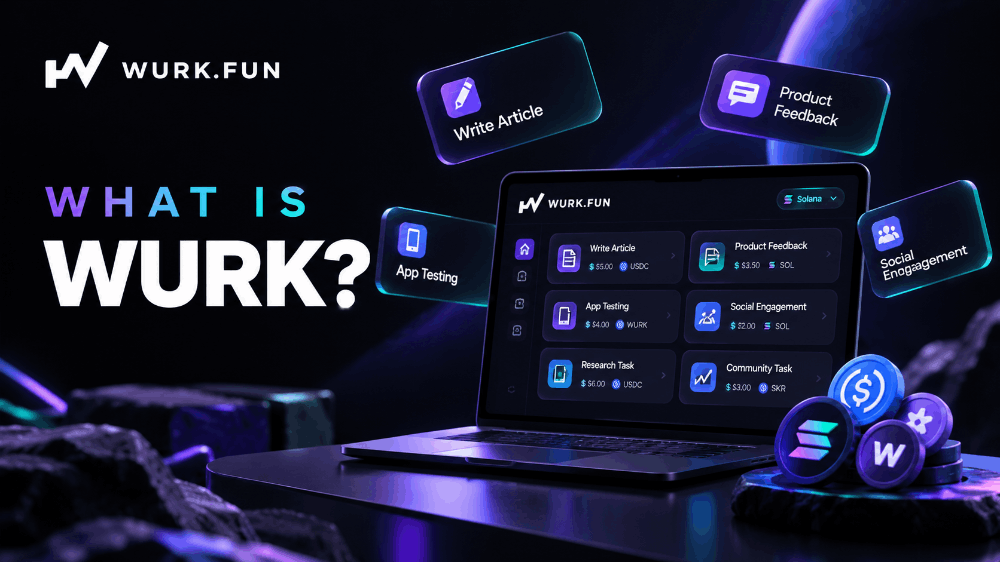
One of the most visible changes brought by the digital economy is the transformation of work. Traditional employment models, defined by fixed hours, physical offices, and long-term contracts, are gradually giving way to more flexible arrangements. Freelancing, remote work, and gig-based roles are becoming mainstream. Individuals can now offer services globally without relocating, while companies can tap into talent pools from virtually anywhere.
This shift has both opportunities and challenges. On one hand, it allows people to take control of their careers, diversify income streams, and build skills independently. On the other hand, it introduces uncertainty, as job security and traditional benefits become less guaranteed. Workers are increasingly expected to adapt quickly, learn continuously, and stay relevant in a rapidly changing landscape.
Another key driver of the digital economy is data. Often described as the “new oil,” data fuels decision-making, personalization, and automation. Companies that can collect, analyze, and act on data effectively gain a significant advantage. This has led to the rise of data-centric business models, where user behavior and insights are central to growth strategies.
However, this also raises important questions about ownership and control. Who owns the data generated by users? Who benefits from it? As more value is created through digital interactions, there is growing debate about how that value should be distributed. Many argue that individuals should have greater control over their data and a fair share of the economic benefits it generates.
Technology like artificial intelligence is accelerating these changes even further. AI systems can now perform tasks that once required human intelligence, from writing and design to analysis and decision-making. This increases efficiency but also sparks concern about job displacement. While some roles may disappear, new ones are emerging, often requiring a blend of technical and creative skills.
Education and skill development are therefore becoming more critical than ever. The traditional model of learning a single profession for life is becoming outdated. Instead, adaptability is key. People need to be comfortable with change, willing to reskill, and open to exploring new opportunities as industries evolve.
The digital economy is also reshaping entrepreneurship. Starting a business today requires far less capital than in the past. With access to online tools, global audiences, and digital payment systems, individuals can launch and scale ideas quickly. This has led to a surge in small businesses, creators, and independent operators who are building brands and generating income online.
Despite its benefits, the digital economy is not evenly distributed. Access to reliable internet, digital tools, and education still varies widely across regions. Bridging this gap is essential to ensure that the opportunities created by digital transformation are inclusive and accessible to all.
Looking ahead, the digital economy will continue to expand and integrate into every aspect of life. The lines between physical and digital experiences will blur, and new technologies will keep redefining what is possible. The challenge lies in managing this transition in a way that balances innovation with fairness, efficiency with inclusion, and growth with sustainability.
In conclusion, the rise of the digital economy represents one of the most significant shifts in modern history. It is changing how people work, how businesses operate, and how value is created and shared. Those who understand and adapt to this new reality will be better positioned to thrive, while those who resist it risk being left behind. The future of work is not something to wait for, it is already here, and it is digital.