How RWA Tokenization is Transforming Real-World Asset Investment in 2026
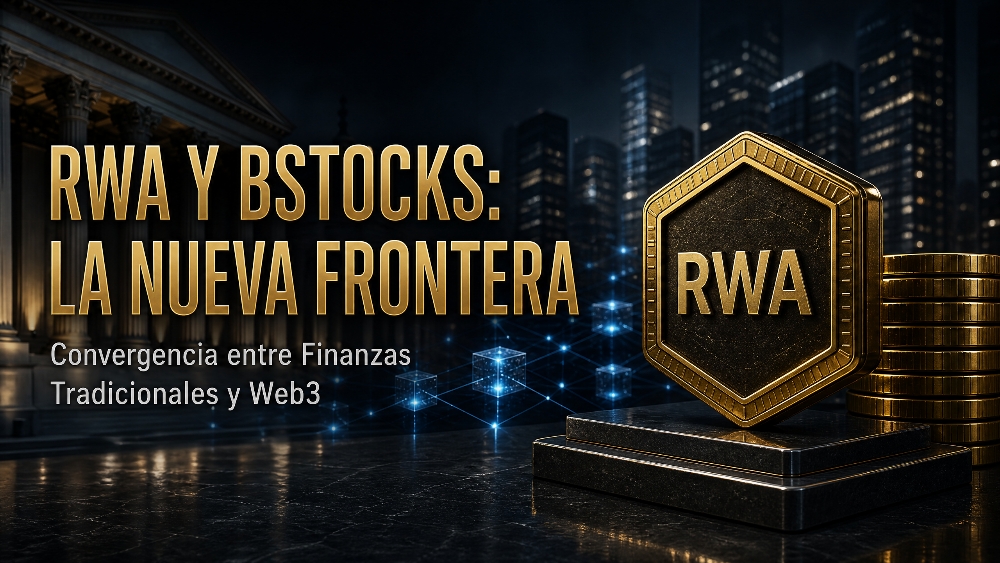
Real-World Asset (RWA) tokenization has emerged as a foundational innovation reshaping capital markets in 2026. By converting tangible and intangible assets—such as real estate, commodities, private equity, and debt instruments—into blockchain-based digital tokens, RWA tokenization introduces fractional ownership, enhanced liquidity, and programmable compliance. This transformation is not merely technological but structural, enabling traditionally illiquid markets to participate in decentralized financial ecosystems.
At its core, RWA tokenization leverages distributed ledger technology (DLT) to establish immutable ownership records, automate settlement cycles, and reduce counterparty risks. Unlike legacy systems burdened by intermediaries, tokenized ecosystems operate with near-instant finality and transparency. This paradigm shift is particularly significant in regions with underdeveloped financial infrastructure, where access to diversified asset classes has historically been constrained.
Key Mechanisms Driving RWA Tokenization Adoption
The rapid adoption of RWA tokenization is underpinned by several technical and economic mechanisms that collectively enhance efficiency and accessibility:
- Fractionalization of Assets: High-value assets such as commercial real estate or fine art can be divided into smaller token units, lowering entry barriers for retail investors.
- Smart Contract Automation: Self-executing contracts enforce compliance, automate dividend distribution, and ensure regulatory adherence without manual intervention.
- Liquidity Enablement: Secondary marketplaces for tokenized assets facilitate peer-to-peer trading, reducing the illiquidity discount associated with traditional assets.
- Interoperability Protocols: Cross-chain compatibility enables tokenized assets to move seamlessly across multiple blockchain ecosystems, enhancing market depth.
These mechanisms collectively redefine how capital is deployed, managed, and exited, creating a more inclusive investment landscape.
Regulatory Convergence and Institutional Participation
One of the most critical developments in 2026 is the alignment of regulatory frameworks with tokenization models. Governments and financial authorities are increasingly recognizing tokenized assets as legitimate financial instruments, introducing compliance standards that balance innovation with investor protection. Regulatory sandboxes, digital asset custody guidelines, and token classification frameworks have accelerated institutional confidence.
Institutional players—including asset managers, hedge funds, and sovereign wealth funds—are now actively exploring tokenized portfolios. Their participation has introduced higher levels of due diligence, standardized valuation models, and risk management protocols. Moreover, the integration of tokenized assets into traditional financial systems, such as collateralized lending and structured products, signals a convergence between decentralized finance (DeFi) and conventional finance (TradFi).
This convergence is further supported by enterprise-grade infrastructure provided by a real world asset tokenization platform development company, which enables secure issuance, lifecycle management, and compliance orchestration for tokenized assets without disrupting existing financial workflows.
Use Cases Expanding Across Asset Classes
The application of RWA tokenization is no longer limited to niche experiments; it is now expanding across diverse asset categories with measurable economic impact:
- Real Estate Tokenization: Enables global investors to access property markets through fractional ownership, reducing capital lock-in periods.
- Tokenized Debt Instruments: Bonds and invoices are digitized, allowing real-time settlement and improved credit accessibility for SMEs.
- Commodity-Backed Tokens: Physical assets like gold and oil are represented digitally, ensuring price transparency and easier tradeability.
- Intellectual Property Monetization: Royalties from music, patents, and digital content are tokenized, creating new revenue streams for creators.
These use cases demonstrate how tokenization is bridging the gap between physical asset value and digital liquidity, unlocking previously inaccessible investment opportunities.
Challenges and the Road Ahead
Despite its transformative potential, RWA tokenization faces several challenges that must be addressed for sustained growth. Legal enforceability of tokenized ownership rights remains a complex issue, particularly in cross-border jurisdictions. Additionally, data integrity during the asset digitization process—often referred to as the “oracle problem”—poses risks to system reliability.
Scalability and interoperability also require continuous innovation, as fragmented blockchain ecosystems can hinder seamless asset transfer. Furthermore, investor education and awareness remain critical, as the complexity of tokenized financial instruments may deter mainstream adoption.
Looking ahead, advancements in zero-knowledge proofs, decentralized identity frameworks, and regulatory technology (RegTech) are expected to mitigate these challenges. As the ecosystem matures, RWA tokenization is poised to become a cornerstone of the global financial architecture, redefining how value is created, stored, and exchanged in a digitally interconnected economy.