Updated Essentials Every Trader Must Know About Cryptocurrencies in 2026

Cryptocurrencies remain a highly dynamic asset class in 2026, continuing to evolve with increasing institutional adoption, regulatory developments, and technological innovation. For traders, staying updated is not optional—it is a requirement for survival in this fast-moving market.
The market structure is still heavily influenced by Bitcoin, which acts as the primary liquidity driver. Most altcoins continue to correlate with Bitcoin’s movements, although some sectors—such as decentralized finance (DeFi) and real-world asset (RWA) tokenization—are beginning to show partial independence. Ethereum remains a central pillar due to its dominance in smart contracts and staking activity.
A major evolution in recent years is the growth of institutional participation. The approval and expansion of Bitcoin spot ETFs in multiple regions have increased market liquidity and reduced some inefficiencies. However, this has also made crypto more sensitive to global macroeconomic factors such as interest rate policies, inflation data, and central bank decisions.
Regulation is now a key driver of volatility. Governments and financial authorities are actively shaping the legal framework around cryptocurrencies, affecting exchanges, stablecoins, and DeFi platforms. Traders must monitor regulatory announcements closely, as they can trigger significant market reactions.
On the technological side, scalability solutions and Layer 2 networks have improved transaction efficiency, especially on Ethereum. Lower fees and faster execution are increasing adoption, which can influence long-term valuation.
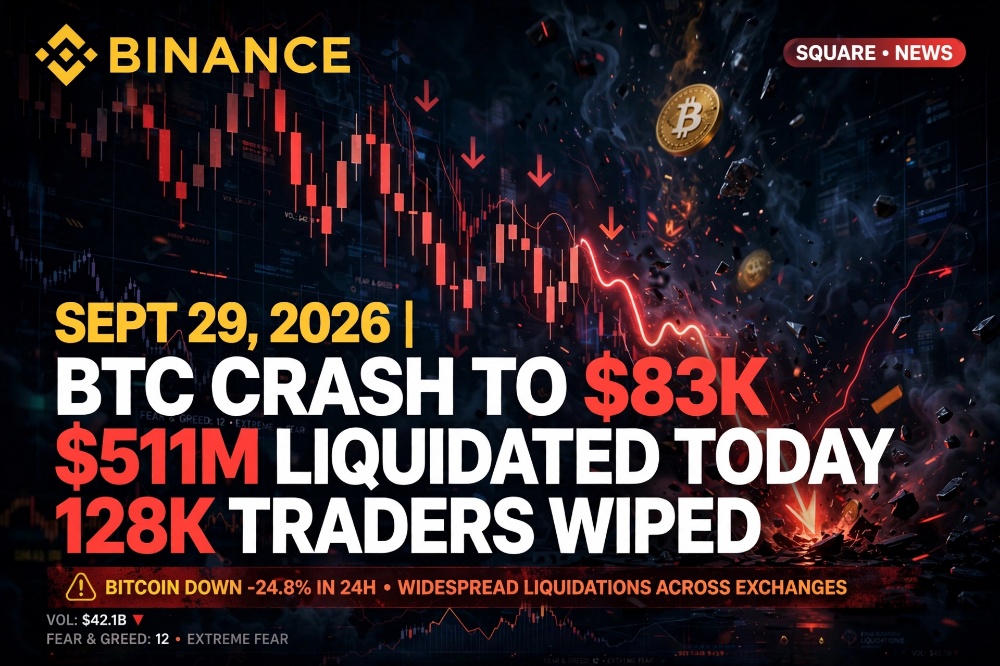
From a trading perspective, volatility remains high but more structured. Liquidity is deeper than in previous cycles, yet sudden price movements still occur due to leveraged positions and liquidation cascades. Tools like support/resistance, RSI, MACD, and on-chain analysis (wallet flows, exchange reserves) are now standard among serious traders.
Risk management is more critical than ever. With increased leverage availability and faster markets, improper position sizing can lead to rapid losses. Traders must combine discipline, data-driven strategies, and adaptability.
In summary, the 2026 crypto market is more mature but still inherently volatile. Success depends on understanding market structure, tracking macro and regulatory changes, and maintaining strict risk control.