Web3 on web2
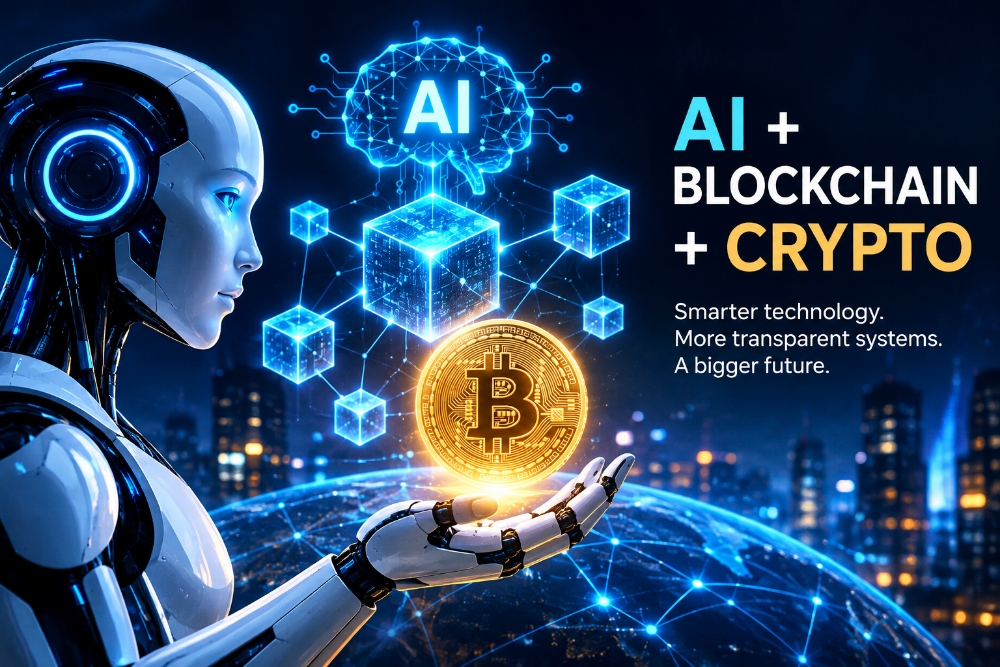
Web3 was not designed to completely replace Web2, but rather to address its limitations and build a more balanced digital ecosystem. Web2 brought significant advancements; interactive platforms, social media, and user-generated content; but it also centralized power in the hands of a few large corporations.
Thesecompanies control vast amounts of user data, influence online interactions, and often monetize user activity without transparent or fair value distribution. Web3 emerges as a response to these issues, introducing decentralization, transparency, and user ownership as core principles.
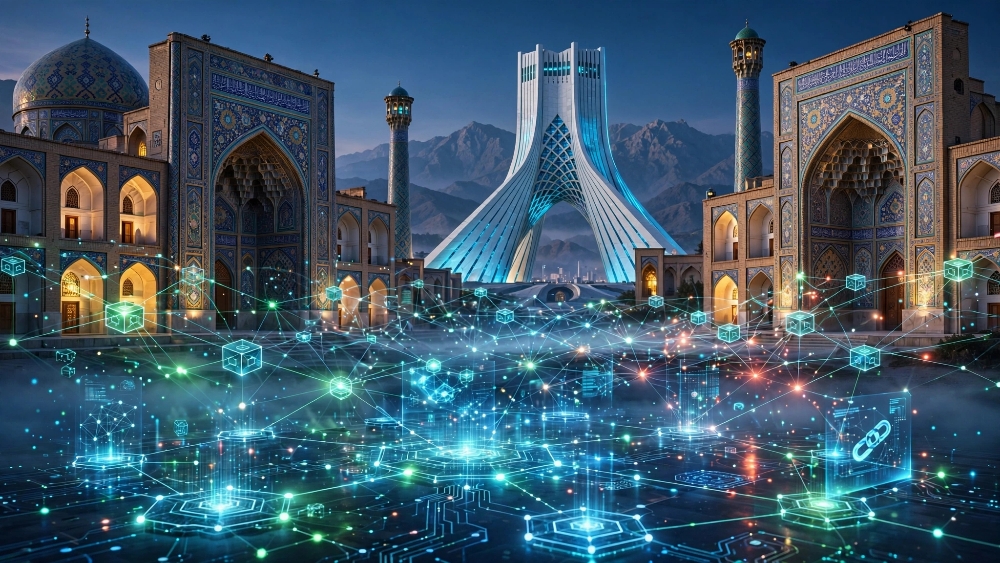
Instead of discarding everything Web2 created, Web3 builds on its foundation by integrating blockchain technology, smart contracts, and decentralized applications (dApps). Many Web3 platforms still rely on Web2 infrastructure for accessibility, performance, and user experience.
Thishybrid approach shows that Web3 is more of an evolution than a revolution, which it seeks to improve trust, security, and control while maintaining the usability and convenience people expect from modern internet services. In this sense, Web2 and Web3 can coexist, each complementing the other’s strengths.
Ultimately, the goal of Web3 is to reshape the relationship between users, platforms, and data. It empowers individuals with greater control over their digital identities and assets while encouraging more transparent systems of governance and participation. ,
However challenges such as scalability, regulation, and user adoption remain. Therefore, rather than eliminating Web2, Web3 represents a gradual shift toward a more decentralized internet, refining existing systems instead of completely replacing them.