How to Add RWA Tokenization to Your Existing Investment Platform

Introduction: Why Investment Platforms Are Exploring RWA Tokenization
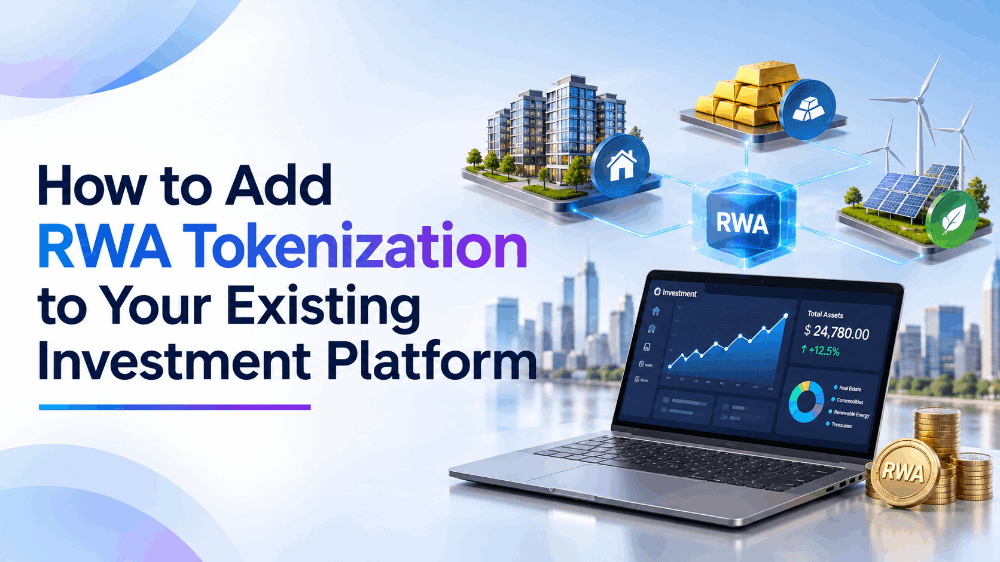
The investment industry is changing as businesses look for new ways to make assets more accessible, improve transaction processes, and attract a wider range of investors. One technology gaining attention is Real-World Asset (RWA) tokenization.
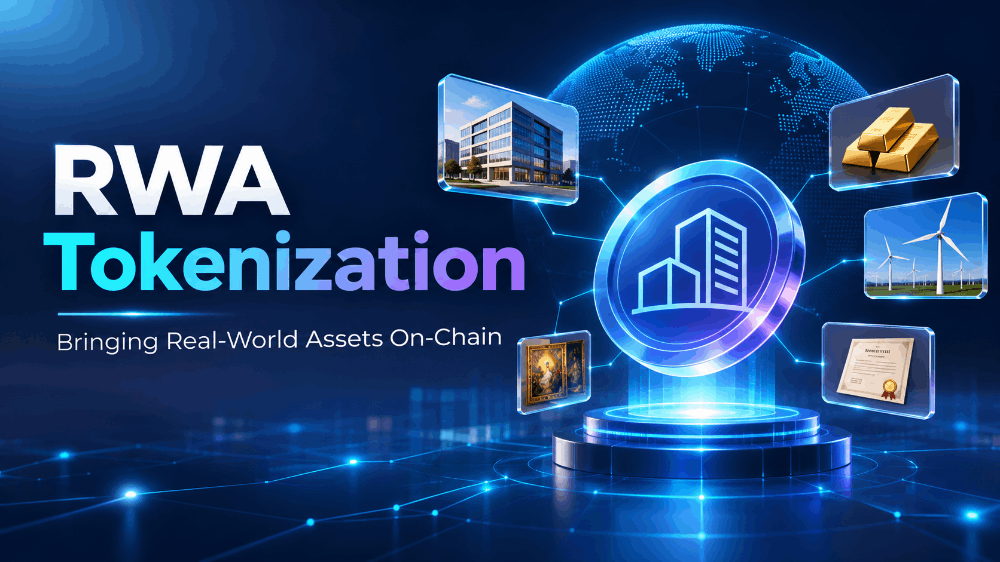
RWA tokenization allows businesses to represent ownership or economic rights in physical and financial assets through digital tokens on a blockchain. These assets can include real estate, gold, bonds, commodities, and private equity.
For businesses that already operate investment platforms, adding RWA tokenization can open new opportunities without building an entirely new platform from scratch. Existing platforms can expand their investment options, introduce digital asset management features, and offer investors new ways to participate in asset ownership.
Businesses can explore RWA tokenization platform development to integrate blockchain-based asset issuance, investor management, and tokenized investment capabilities into their existing systems.
However, introducing tokenized assets requires more than adding a blockchain feature. Businesses need to consider asset management, investor verification, smart contracts, payment systems, security, and regulatory requirements.
In this guide, we will explain how to add RWA tokenization to an existing investment platform, the features required, and the steps businesses should consider before starting development.
What Does RWA Tokenization Mean for Existing Businesses?
RWA tokenization is the process of converting rights associated with real-world assets into digital tokens recorded on a blockchain.
Each token represents a defined ownership interest, financial claim, or other legal right connected to an underlying asset. The exact rights depend on the asset structure and applicable legal agreements.
For an existing investment platform, this means businesses can introduce tokenized investment opportunities alongside their traditional investment products.
For example, a real estate investment platform could allow investors to purchase digital tokens representing fractional interests in a property. Instead of requiring investors to purchase an entire property, the platform could support participation through smaller investment amounts, subject to the legal structure.
Similarly, a platform dealing in precious metals could introduce tokenized gold investments backed by verified physical gold reserves.
Businesses can use asset tokenization development services to introduce digital asset issuance, ownership management, investor onboarding, and marketplace functionality into their existing investment ecosystem.
Which Real-World Assets Can Be Tokenized?
Different asset categories offer different opportunities for investment platforms. Here are some common assets businesses can consider introducing through RWA tokenization.
1. Real Estate
Real estate is one of the most discussed applications of RWA tokenization.
Commercial buildings, residential properties, office spaces, and other real estate assets can be represented through digital tokens. Depending on the legal structure, investors may receive fractional ownership interests or economic rights connected to the property.
An existing real estate investment platform can use tokenization to:
- Introduce fractional real estate investment opportunities.
- Manage digital representations of property interests.
- Track investor holdings.
- Automate eligible distributions through smart contracts.
Businesses planning to introduce property-backed investment opportunities can explore real estate tokenization development to understand how blockchain can support property ownership records, investor management, and fractional investment models.
For a more detailed look at the implementation process, read the step-by-step process for developing a compliance-ready real estate tokenization solution.
2. Gold
Gold tokenization connects physical gold reserves with blockchain-based digital tokens.
Each token can represent a defined quantity or ownership interest in gold held by a custodian.
Investment platforms can introduce tokenized gold to give users access to digitally managed gold investments. They can also provide features for tracking token balances, reserve information, and transaction history.
3. Bonds
Bonds can be represented as digital tokens, allowing platforms to manage certain debt instruments through blockchain technology.
Tokenized bonds can support automated interest calculations, payment schedules, ownership records, and maturity-related processes.
For example, businesses interested in digital fixed-income investment products can explore compliance-ready tokenized US Treasury platform development to understand the technology and compliance considerations involved.
4. Private Equity
Private equity investments often involve complex ownership structures, documentation, and transfer restrictions.
Tokenization can help represent eligible private equity interests digitally and improve how ownership records and investor allocations are managed.
Businesses can introduce features for investor onboarding, ownership tracking, reporting, and controlled token transfers.
5. Commodities
Other commodities, including silver, agricultural products, and certain industrial materials, can also be considered for tokenization.
A platform can connect digital tokens with verified underlying commodity holdings or contractual rights.
This can help businesses expand their investment offerings and create additional asset management opportunities.
Benefits of Adding RWA Tokenization to an Existing Platform
Integrating RWA tokenization can provide several business and operational benefits.
1. Expand Investment Opportunities
Businesses can introduce new asset categories without limiting their platforms to traditional investment products. This helps attract investors interested in real estate, commodities, precious metals, and other tokenized assets.
2. Support Fractional Investment
Depending on the legal and ownership structure, tokenization can allow assets to be divided into smaller investment units. This can lower the minimum investment requirement and make certain investment opportunities accessible to a wider audience.
3. Improve Transaction Efficiency
Smart contracts can automate specific processes, including token issuance, investor allocation, payment calculations, and eligible distributions.
4. Better Ownership Tracking
Blockchain-based records can provide a transparent history of token issuance, transfers, and ownership changes. This can improve record management when combined with proper identity verification and legal documentation.
5. Create New Revenue Opportunities
Businesses can explore additional revenue streams through platform fees, asset onboarding, token issuance services, transaction charges, and asset management services.
6. Build a More Flexible Investment Ecosystem
Adding tokenized assets allows existing platforms to support traditional and blockchain-based investment products within a connected environment.
Businesses should also evaluate the technical investment required before starting. This RWA tokenization platform development cost guide explains the major factors that influence development budgets, including platform features, blockchain selection, compliance, custody, and customization.
Essential Features Required for RWA Integration
Before integrating RWA tokenization, businesses should identify the features needed to support their investment operations.
Some important features include:
- Digital Asset Management: A system to register assets, maintain asset information, and manage supporting documentation.
- Token Issuance and Management: Functionality to create, distribute, manage, and track tokens representing defined asset rights.
- Investor Onboarding: Registration, identity verification, KYC, and AML screening based on applicable requirements.
- Digital Wallet Integration: Secure wallets that allow investors to hold and manage eligible tokenized assets.
- Smart Contract Integration: Automated execution of predefined rules for token issuance, transfers, and distributions.
- Investment Dashboard: A dashboard where investors can view their holdings, transaction history, investment details, and relevant reports.
- Payment Integration: Support for suitable payment methods and settlement processes.
- Compliance Management: Tools to enforce investor eligibility, transfer restrictions, and applicable regulatory requirements.
- Admin Dashboard: A centralized interface for managing assets, investors, transactions, permissions, and platform activities.
For businesses that want to launch faster, a configurable solution may also be worth considering. Read about no-code asset tokenization platforms with built-in investor KYC and compliance to understand how pre-built workflows can support asset issuance and investor verification.
These features should be planned according to the platform's existing architecture, target users, asset categories, and business model.
How to Integrate RWA Tokenization Step by Step
Adding RWA tokenization to an existing investment platform requires a structured development approach. The following steps can help businesses plan the integration.
Step 1: Evaluate Your Existing Investment Platform
Start by reviewing your current platform architecture, database, payment infrastructure, investor management system, and security setup.
Identify which existing features can be reused and which components need modification.
For example, your existing investor dashboard may already support portfolio tracking. It may only need additional functionality to display tokenized asset holdings and blockchain transaction records.
Step 2: Select the Assets You Want to Tokenize
Decide which real-world assets you want to introduce first.
Real estate, gold, bonds, and commodities have different ownership structures, documentation requirements, valuation methods, and operational needs.
Start with asset categories that align with your business model and available legal and operational infrastructure.
Step 3: Define the Tokenization Model
Choose how digital tokens will represent rights associated with the underlying assets.
Depending on the structure, tokens may represent fractional ownership, beneficial interests, debt claims, or other contractual rights.
Define important details such as:
- Total token supply.
- Minimum investment amount.
- Investor allocation.
- Transfer restrictions.
- Redemption or exit conditions.
- Distribution mechanisms.
The token structure should match the legal rights being offered to investors.
Step 4: Choose the Blockchain Network
Select a blockchain network based on transaction costs, scalability, security, ecosystem support, and compatibility with your existing infrastructure.
Evaluate whether a public, private, or permissioned blockchain is suitable for your business.
The right choice depends on the number of expected transactions, privacy requirements, investor access, and compliance needs.
Step 5: Develop and Integrate Smart Contracts
Smart contracts manage the predefined rules associated with tokenized assets.
They can support token issuance, ownership transfers, investor allocations, payment calculations, and other approved operations.
Your development team should implement appropriate access controls, transfer restrictions, and security mechanisms.
Businesses can work with a smart contract development company to build custom contract logic, integrate token standards, and prepare contracts for independent security audits.
Smart contracts should undergo security testing and independent audits before deployment.
Step 6: Integrate Wallets and Payment Systems
Investors need a secure way to receive, hold, and manage their tokenized assets.
Integrate suitable wallet infrastructure and payment systems into your existing platform.
Consider wallet authentication, transaction monitoring, supported payment currencies, settlement processes, and recovery mechanisms.
Businesses planning blockchain-based payment and settlement options can also explore stablecoin development for solutions involving digital payment assets.
Step 7: Add Investor and Compliance Management
Introduce or upgrade investor verification processes to support the new investment products.
Depending on the asset and jurisdiction, this may include KYC, AML checks, investor accreditation, suitability assessments, and restrictions on who can purchase or transfer tokens.
Compliance should be incorporated into the platform architecture rather than treated as a final development step.
Step 8: Test, Audit, and Launch
Before launching, test the complete investment workflow.
Check token issuance, wallet transactions, investor onboarding, ownership records, payment processing, and transfer restrictions.
Conduct smart contract audits, security testing, and performance testing.
Start with a controlled launch, monitor platform performance, and improve the system based on operational feedback.
Security, Smart Contracts and Compliance Requirements
Security and compliance are essential when introducing RWA tokenization to an existing investment platform.
Since tokenized assets connect blockchain-based records with real-world financial and ownership rights, businesses need to protect both digital infrastructure and the underlying asset arrangements.
Smart Contract Security
Smart contracts should be developed with secure coding practices, role-based permissions, and appropriate safeguards against unauthorized transactions.
Independent audits can help identify vulnerabilities before deployment. Businesses should also consider emergency pause mechanisms, upgrade controls, and transaction monitoring.
Investor Verification
Platforms should implement suitable KYC and AML procedures to verify investors and monitor transactions according to applicable laws.
Asset Verification and Custody
Businesses need reliable processes to verify underlying assets, maintain ownership documentation, and establish suitable custody arrangements where required.
Data Protection
Sensitive investor information should be protected through encryption, access controls, secure authentication, and appropriate data management practices.
Regulatory Compliance
RWA tokenization requirements vary depending on the asset type, token structure, investor location, and applicable jurisdiction.
Businesses should obtain legal and regulatory guidance before issuing or offering tokenized assets. Tokenization itself does not remove existing securities, financial services, property, or other regulatory obligations.
Custom RWA Tokenization Development for Business Growth
Integrating RWA tokenization into an existing investment platform requires the right combination of blockchain technology, smart contracts, asset management, and secure financial infrastructure.
A custom development approach allows businesses to introduce tokenization features according to their existing platform requirements rather than relying on a completely separate solution.
Techfyte provides custom RWA tokenization platform development solutions to help businesses build and integrate blockchain-based investment capabilities.
The development scope can include:
- RWA tokenization platform development.
- Smart contract development and integration.
- Real estate and gold tokenization solutions.
- Blockchain wallet integration.
- Token issuance and management systems.
- Investor dashboards and asset management modules.
- KYC/AML and compliance integrations.
- Blockchain security and platform integration.
Whether you want to introduce tokenized real estate, digital gold, bonds, or other real-world assets, the right development approach can help you expand your investment platform and prepare it for evolving digital asset opportunities.
Conclusion
RWA tokenization offers existing investment platforms an opportunity to expand beyond traditional investment products and introduce blockchain-based asset management capabilities.
From real estate and gold to bonds and commodities, businesses can explore different asset categories while improving ownership tracking, automating selected operations, and creating new investment opportunities.
However, successful integration requires careful planning. Businesses must evaluate their existing infrastructure, select suitable assets, define token rights, integrate secure smart contracts, and address legal and regulatory requirements.
With the right technology partner and a well-planned integration strategy, businesses can transform their existing investment platforms into more flexible digital investment ecosystems.
Want to introduce tokenized assets to your existing investment platform? Explore custom RWA tokenization development solutions with Techfyte.