How Mobile Payments Are Changing the Way We Handle Money

How Mobile Payments Are Changing the Way We Handle Money
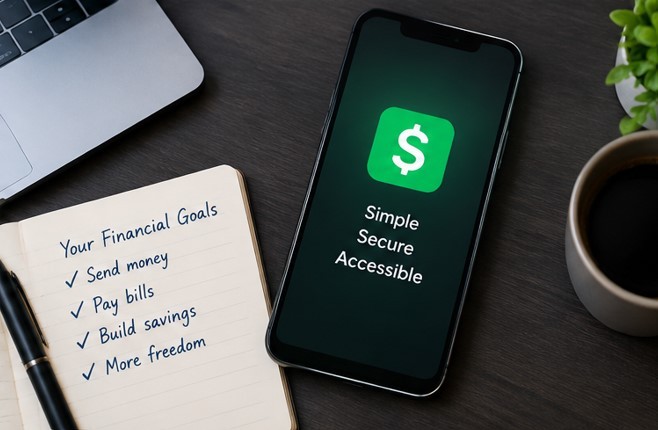
Money has changed a lot over the years. We moved from cash to bank cards, and now smartphones are becoming one of the easiest ways to pay. With just a few taps on a phone, people can buy products, pay bills, send money, and receive payments without handling physical cash.
Mobile payments are changing not only how we spend money, but also how we think about and manage our finances.
Making Payments Faster and Easier
One of the biggest advantages of mobile payments is convenience. People no longer need to visit a bank or carry large amounts of cash to make everyday payments. Whether buying food, paying for transportation, shopping online, or sending money to someone, a smartphone can often do the job within seconds.
This is especially useful for small businesses and individuals who want simple ways to receive payments.
Reducing the Need for Cash
Cash is still important in many parts of the world, but mobile payments are gradually reducing how often people need it. Digital wallets, banking apps, QR codes, and other payment systems allow people to complete transactions electronically.
This can make transactions easier to track and reduce some of the risks associated with carrying cash.
Helping People Manage Their Money
Mobile payment apps can also make personal finance easier to understand. Many banking and payment apps provide transaction histories, spending notifications, and account balances.
Instead of wondering where their money went, users can quickly check their transactions and identify their spending habits. This can encourage better budgeting and financial discipline.
Creating More Opportunities for Businesses
Mobile payments are also changing the way businesses operate. Small businesses can accept digital payments without needing complicated payment systems. Online sellers can receive money from customers more easily, while customers can pay without having to visit a physical store.
For businesses operating in the digital economy, having convenient payment options can make it easier to reach more customers.
The Importance of Security
While mobile payments offer many benefits, they also come with risks. Scammers and cybercriminals may try to steal passwords, payment details, or access to financial accounts.
This makes security extremely important. Users should protect their phones, use strong passwords or PINs, enable two-factor authentication where available, and avoid clicking suspicious payment links.
Convenience should never come at the cost of financial safety.
The Future of Mobile Payments
Mobile payments are likely to become even more integrated into everyday life. As smartphones, digital banking, and financial technology continue to develop, paying for goods and services could become increasingly seamless.
The goal is no longer simply to replace cash. It is to create a financial system where sending, receiving, saving, and managing money can happen quickly and conveniently from almost anywhere.
Conclusion
Mobile payments are changing the way we handle money by making transactions faster, more convenient, and easier to track. They are helping individuals manage their finances while giving businesses new ways to serve their customers.
However, as financial activity becomes more digital, responsible use and strong security will become even more important.
The future of money is becoming increasingly mobile—and the way we interact with our finances is changing with it.