Why Digital Skills Are Becoming the New Global Currency
The world is changing faster than ever, and one of the biggest drivers of this change is technology. From the way we communicate to how we work, learn, and even earn money, digital tools have become deeply woven into everyday life. In this new era, digital skills are no longer optional. They are becoming the new global currency that opens doors to opportunities across industries and borders.
A few decades ago, basic education and traditional professions were enough to secure a stable career. Today, the situation is very different. Companies, entrepreneurs, and even small businesses rely heavily on technology to operate and grow. As a result, individuals who understand how to use digital tools effectively are in high demand. Skills like coding, digital marketing, data analysis, graphic design, content creation, and artificial intelligence are shaping the modern workforce.
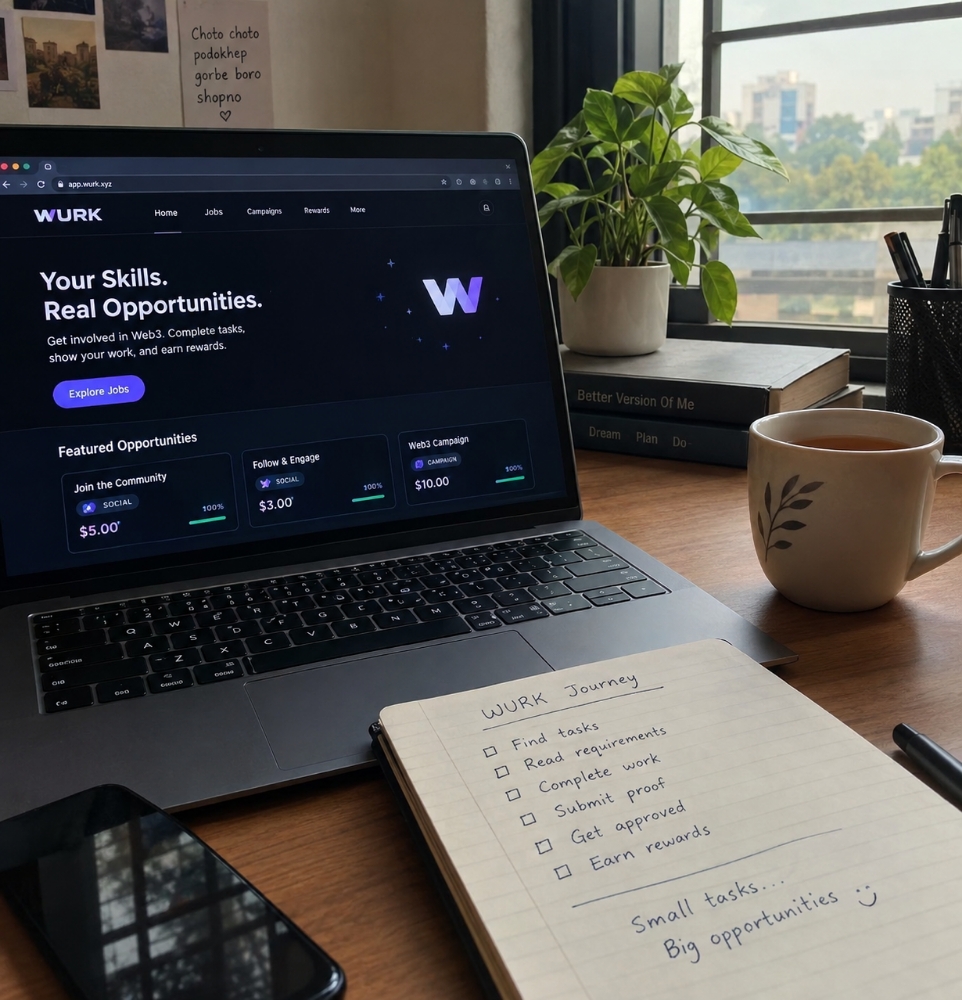
One of the most powerful aspects of digital skills is accessibility. Unlike many traditional careers that require expensive degrees or physical infrastructure, many digital skills can be learned online. With just a smartphone or a laptop and an internet connection, people can access thousands of learning platforms, tutorials, and courses. This has created a level playing field where someone in a small town can compete with professionals in major global cities.
Another reason digital skills are so valuable is the rise of the global freelance economy. Platforms that connect freelancers with clients worldwide have made it possible for skilled individuals to work remotely and earn income from international markets. A graphic designer in Africa can design for a company in Europe. A programmer in Asia can build software for a startup in the United States. This global connectivity has transformed the concept of work and expanded economic opportunities for millions of people.
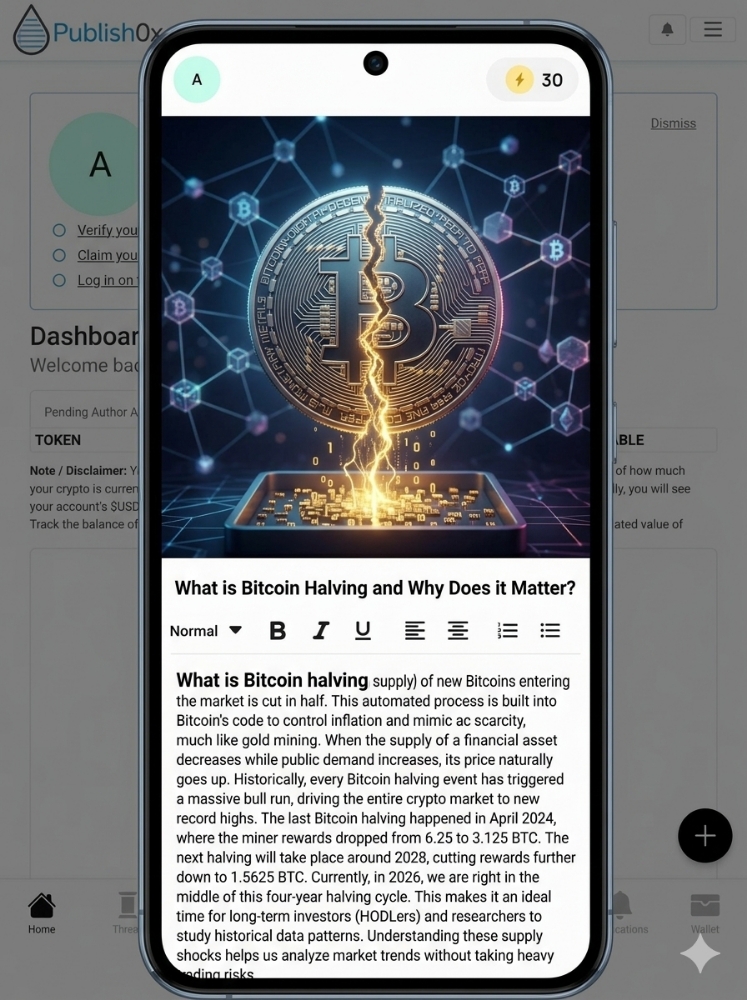
Digital skills also encourage entrepreneurship. In the past, starting a business often required significant capital, office space, and a large team. Today, a single individual with the right digital knowledge can launch an online store, run a content channel, create a mobile application, or build a digital service. Social media platforms, online marketplaces, and digital payment systems have made it easier than ever to turn ideas into profitable ventures.
Another important benefit is adaptability. Technology evolves quickly, and industries constantly change. People who develop digital skills tend to become more adaptable because they are used to learning new tools and systems. This flexibility helps them stay relevant in a rapidly shifting job market. Instead of being replaced by technology, they learn to work alongside it.
Artificial intelligence is also pushing the importance of digital skills to a new level. AI tools are now capable of performing tasks that once required human effort. However, rather than eliminating opportunities entirely, AI is creating new ones. People who understand how to use AI tools effectively can improve productivity, automate repetitive tasks, and focus on more creative and strategic work.
For young people especially, developing digital skills early can be life changing. It gives them access to global knowledge, remote job opportunities, and the ability to create solutions for real problems. In many developing regions, digital education is already helping individuals bypass traditional barriers to economic growth.
However, the rise of digital skills also comes with responsibility. As technology becomes more powerful, issues like data privacy, cybersecurity, and ethical use of technology become increasingly important. Digital literacy should therefore include not just technical abilities, but also awareness of responsible and ethical technology use.
Governments, schools, and organizations around the world are beginning to recognize this shift. Many educational systems are now introducing coding, digital literacy, and technology related courses at earlier stages. Companies are also investing heavily in training programs to help workers upgrade their skills and remain competitive.
In conclusion, digital skills are quickly becoming one of the most valuable assets a person can have in the modern world. They provide access to opportunities that were once limited by geography, financial resources, or social background. As technology continues to evolve, those who invest time in learning and improving their digital abilities will find themselves better prepared for the future. In many ways, knowledge and digital competence are becoming the currency that drives progress in the twenty first century.