The Transformative Impact of World Peace on Humanity’s Future
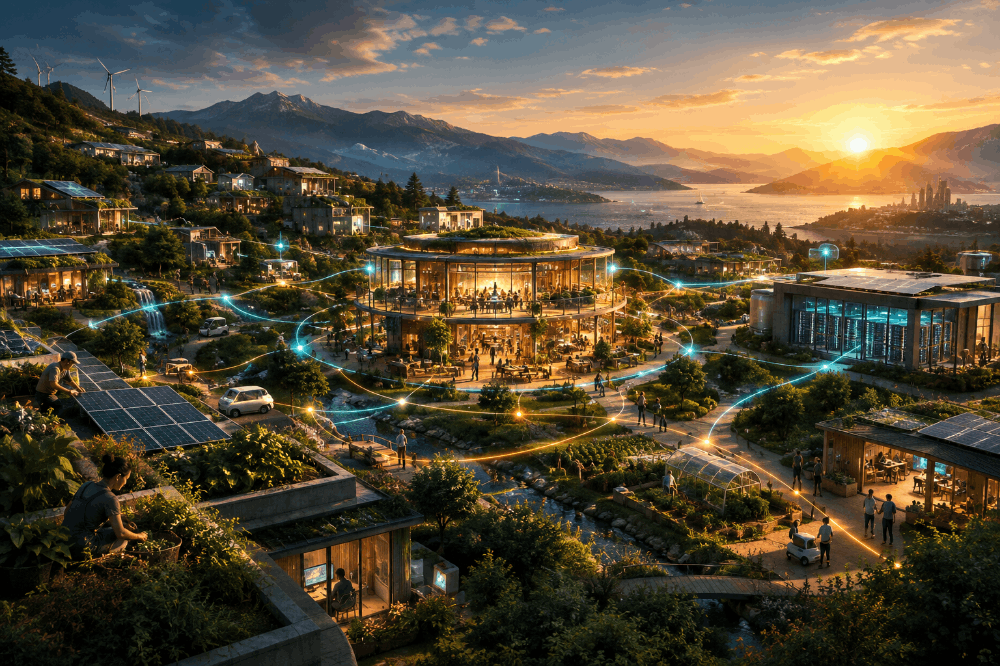
World peace is one of humanity’s greatest aspirations. It represents more than just the absence of war or violence; it is a global condition where nations, communities, and individuals coexist with mutual respect, cooperation, justice, and security. The impact of world peace would be transformative, touching every area of life from economic growth to education, health, innovation, and human relationships. In a world often shaped by conflict, political instability, and division, peace offers a vision of shared prosperity and sustainable progress.
One of the most immediate impacts of world peace would be the preservation of human life. Wars and violent conflicts have historically caused millions of deaths, displaced families, and destroyed entire civilizations. If peace existed globally, countless lives would be saved, and communities would thrive without fear of destruction. Children would grow up in safer environments, free from trauma, violence, and forced displacement. Families would remain united, and societies could focus more on development than survival.
Economically, world peace would unlock enormous opportunities. Countries spend trillions of dollars on military defense, weapons, and war-related activities. If even a fraction of these resources were redirected toward education, healthcare, infrastructure, and poverty reduction, the world could experience unprecedented advancement. Peaceful nations are more attractive for trade, tourism, and investment, leading to stronger global economies. Businesses would operate with greater stability, and international partnerships could flourish without the disruptions caused by conflict.
Education would also benefit significantly from global peace. In war-torn regions, schools are often destroyed, and access to learning becomes limited. Peace would ensure that children everywhere have the opportunity to receive quality education, regardless of location. An educated global population is better equipped to solve problems, innovate, and contribute positively to society. Peace encourages knowledge exchange between nations, allowing cultures to learn from one another and fostering global understanding.
Healthcare systems would improve under peaceful conditions as well. Conflict zones often suffer from collapsed medical systems, shortages of supplies, and increased disease outbreaks. World peace would create stable environments where healthcare resources can be distributed fairly and effectively. Governments could prioritize medical research, disease prevention, and public health initiatives over military spending. This could lead to longer life expectancy, better mental health, and stronger communities.
Another profound effect of world peace would be cultural unity and cooperation. While diversity is one of humanity’s greatest strengths, conflict often arises from misunderstanding, prejudice, or competition. Peace promotes dialogue, empathy, and respect among cultures, religions, and ethnic groups. Through peaceful collaboration, humanity can celebrate differences while working toward common goals. This unity could help solve global challenges such as climate change, hunger, and inequality more effectively.
Environmental sustainability is another area where peace could have a lasting impact. Wars devastate ecosystems, pollute land and water, and consume natural resources at alarming rates. In a peaceful world, countries could collaborate more efficiently on environmental protection, renewable energy, and conservation. Resources currently used for destruction could instead support sustainable technologies that preserve the planet for future generations.
However, achieving world peace is not without challenges. Political interests, economic competition, historical grievances, and social inequality can create divisions. True peace requires justice, fair governance, diplomacy, and a commitment to human rights. It begins not only with governments but also with individuals choosing understanding over hatred and cooperation over division.
In conclusion, the impact of world peace would be life-changing on a global scale. It would save lives, strengthen economies, improve education and healthcare, foster cultural understanding, and protect the planet. While complete world peace may seem idealistic, striving toward it remains essential. Every step toward peace, whether through diplomacy, compassion, or justice, contributes to a better future. World peace is not merely a dream; it is a necessary foundation for humanity’s survival, growth, and shared success.