Real World Asset Tokenization Launch Guide: What Every Investor Must Know in 2026

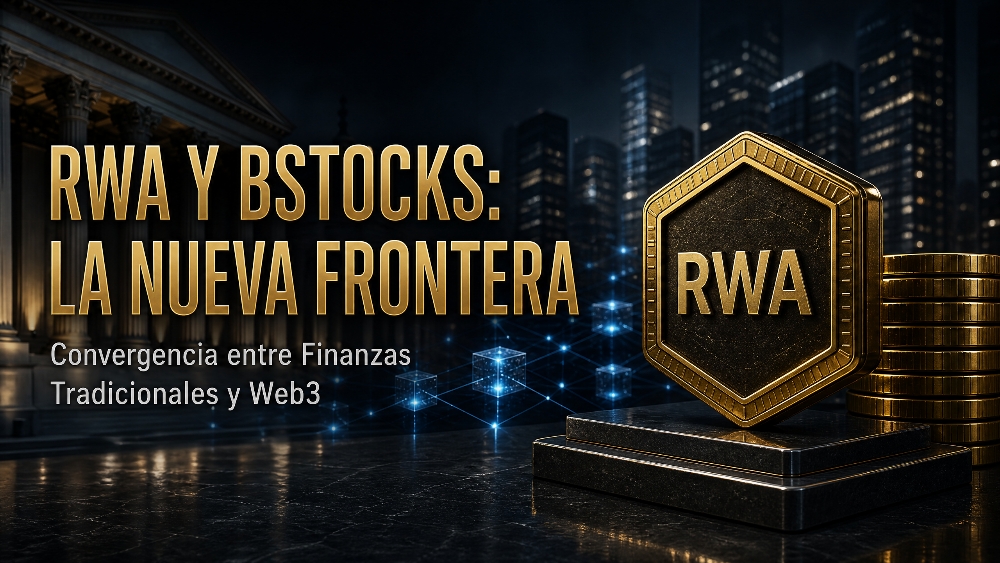
Real World Asset (RWA) tokenization has moved far beyond experimental blockchain use cases and has become a structured financial model that is gradually reshaping how ownership, liquidity, and investment access work across global markets. By 2026, tokenized real-world assets are no longer limited to pilot programs or niche crypto ecosystems. They are being actively integrated into real estate funds, infrastructure financing, private credit markets, commodities trading, and even revenue-based business models.
For investors, this shift introduces both opportunity and complexity. While tokenization unlocks fractional ownership and improved liquidity, it also introduces new layers of technological, legal, and financial considerations. Understanding how a Real World Asset tokenization launch works is essential for evaluating risk, identifying value, and participating effectively in these emerging markets.
Understanding Real World Asset Tokenization
Real World Asset tokenization refers to the process of converting ownership rights in physical or traditional financial assets into digital tokens recorded on a blockchain. These assets may include real estate properties, government bonds, private equity shares, commodities, infrastructure projects, or even intellectual property rights. Each token represents a fractional share or claim on the underlying asset. This enables investors to access high-value assets with significantly lower capital requirements while maintaining transparent ownership records on-chain. Unlike purely digital cryptocurrencies, RWA tokens are backed by off-chain legal frameworks and tangible value, making them a hybrid between traditional finance and blockchain systems.
The Core Structure of an RWA Tokenization Launch
A successful RWA tokenization launch follows a structured process that ensures legal compliance, asset verification, token issuance, and investor onboarding. Each stage plays a critical role in ensuring trust and long-term sustainability.
1. Asset Identification and Evaluation
The first step involves selecting and evaluating the underlying asset. Not all assets are suitable for tokenization. Ideal candidates typically have stable value, predictable cash flow, and clear legal ownership. For example, income-generating real estate, infrastructure projects, and debt instruments are commonly tokenized because they offer measurable returns and well-defined legal structures. During this phase, valuation experts assess the asset’s market worth, revenue potential, and associated risks. This stage is crucial because inaccurate valuation can distort token pricing and investor expectations.
2. Legal Structuring and Ownership Framework
Before any tokens are issued, the asset must be placed within a legally compliant structure. This usually involves creating a special purpose vehicle (SPV) or trust that holds the asset on behalf of token holders. The SPV ensures that token ownership corresponds to legal rights over the underlying asset. Legal documentation defines investor rights, revenue distribution mechanisms, governance rules, and exit conditions. This layer of legal structuring is what differentiates regulated tokenized assets from speculative crypto tokens.
3. Token Design and Smart Contract Development
Once legal frameworks are established, the asset is digitally represented through smart contracts. These contracts define how tokens are created, transferred, and managed.
Key elements include:
- Total token supply
- Fractional ownership rules
- Dividend or yield distribution logic
- Transfer restrictions based on compliance rules
- Governance mechanisms
Smart contracts ensure automation and transparency, reducing reliance on intermediaries. However, they must be carefully audited to prevent vulnerabilities and ensure compliance with legal agreements.
4. Regulatory Compliance Integration
Regulatory compliance is a central component of any RWA tokenization launch. Since these tokens often represent securities or financial instruments, issuers must comply with jurisdiction-specific regulations.
Compliance systems typically include:
- KYC (Know Your Customer) verification
- AML (Anti-Money Laundering) screening
- Investor accreditation checks
- Geographic restrictions based on regulatory frameworks
Modern tokenization platforms embed compliance directly into smart contracts, ensuring that only eligible investors can participate in specific offerings.
5. Asset Token Minting and Issuance
After legal and technical preparation, tokens are minted and issued on a blockchain network. Each token represents a fractional share of the underlying asset. At this stage, the total supply is fixed or dynamically structured depending on the asset model. For example, real estate tokens may represent fixed equity ownership, while revenue-based assets may use adjustable token supply mechanisms. Minting also establishes the initial valuation and distribution framework for the asset.
6. Primary Offering and Investor Onboarding
The primary offering phase is where investors first gain access to the tokenized asset. This can take the form of a private sale, public offering, or institutional placement. Investor onboarding includes identity verification, wallet setup, compliance checks, and funding integration. Fiat on-ramp systems are often integrated to allow traditional investors to participate without needing prior crypto exposure. This phase determines the initial distribution of ownership and sets the foundation for secondary market activity.
7. Secondary Market Trading and Liquidity Activation
Once tokens are distributed, they are typically listed on secondary marketplaces where investors can trade them freely. This is where the liquidity advantage of tokenization becomes visible. Secondary trading mechanisms may include order books, automated market makers, or hybrid liquidity systems. These markets enable price discovery and allow investors to exit positions without waiting for traditional asset liquidation cycles. Liquidity depth is one of the key performance indicators of a successful RWA tokenization launch.
8. Revenue Distribution and Yield Mechanisms
One of the most attractive features of RWA tokenization is the ability to distribute real-world income directly to token holders.
Depending on the asset type, revenue may come from:
- Rental income (real estate)
- Interest payments (debt instruments)
- Business profits (equity tokens)
- Commodity yields or leasing structures
Smart contracts automate distribution, ensuring that investors receive proportional returns based on their holdings. This reduces administrative overhead and increases transparency.
Key Risks Investors Must Understand
While RWA tokenization introduces new opportunities, it also comes with unique risks that investors must carefully evaluate.
1. Regulatory Uncertainty
Regulations governing tokenized assets are still evolving across jurisdictions. Changes in legal classification or compliance requirements can impact liquidity, accessibility, or even asset validity.
2. Custodial and Counterparty Risk
Since underlying assets exist off-chain, investors rely on custodians or legal entities to maintain asset integrity. Mismanagement or disputes can affect token value.
3. Smart Contract Vulnerabilities
Although blockchain systems are secure by design, poorly audited smart contracts may contain vulnerabilities that could be exploited.
4. Liquidity Constraints
Not all tokenized assets achieve deep secondary market liquidity. Low trading volume can make it difficult to exit positions efficiently.
5. Valuation Complexity
Unlike cryptocurrencies, RWA tokens depend on real-world valuation models, which may be influenced by external economic conditions, interest rates, and market cycles.
Why RWA Tokenization Is Reshaping Investment Structures
Despite these risks, the long-term implications of RWA tokenization are significant. It introduces structural improvements across multiple dimensions of finance:
- Fractional ownership reduces entry barriers
- Global accessibility increases investor participation
- Automated compliance reduces operational friction
- Transparent ownership records improve trust
- Secondary markets enhance liquidity for traditionally illiquid assets
By combining blockchain infrastructure with real-world asset frameworks, tokenization creates a more efficient capital allocation system.
The Investor’s Strategic Approach in 2026
For investors engaging with RWA tokenization launches, a structured evaluation approach is essential.
Rather than focusing solely on token price performance, investors should assess:
- Asset quality and income stability
- Legal structure and jurisdiction
- Compliance robustness
- Liquidity depth and trading activity
- Transparency of valuation methods
- Track record of asset managers or issuers
This shift in mindset from speculative trading to asset-backed investing is what defines mature participation in tokenized markets.
Future Outlook of Real World Asset Tokenization
The evolution of RWA tokenization is closely tied to the broader development of digital financial infrastructure. As institutional adoption increases, we are likely to see deeper integration between traditional financial systems and blockchain networks.
Emerging trends include:
- Tokenized bond markets at scale
- Cross-border real estate investment platforms
- On-chain private credit ecosystems
- AI-driven asset valuation systems
- Interoperable multi-chain asset marketplaces
Over time, tokenization may become a standard method of asset issuance rather than an alternative model.
Conclusion
A Real World Asset tokenization launch represents a convergence of legal frameworks, financial engineering, and blockchain infrastructure. For investors, understanding this lifecycle is essential to navigating opportunities and risks effectively. From asset selection and legal structuring to token issuance and secondary trading, each stage contributes to the integrity and performance of the tokenized asset. While the model introduces new complexities, it also unlocks unprecedented access to global asset classes and income-generating opportunities. As tokenization continues to mature, investors who understand its underlying structure will be better positioned to evaluate value, manage risk, and participate in the next generation of digital asset markets.