The Convergence of Crypto and AI Agents: Building the Autonomous Digital Economy

Introduction
Two of the most transformative technologies of this decade — blockchain and artificial intelligence — are beginning to merge in ways that could redefine how the internet operates. While crypto provides decentralized infrastructure and trustless value exchange, AI agents bring automation, intelligence, and decision-making. Together, they are laying the foundation for an autonomous digital economy where software entities can transact, negotiate, and execute tasks without human intervention.
What Are AI Agents?
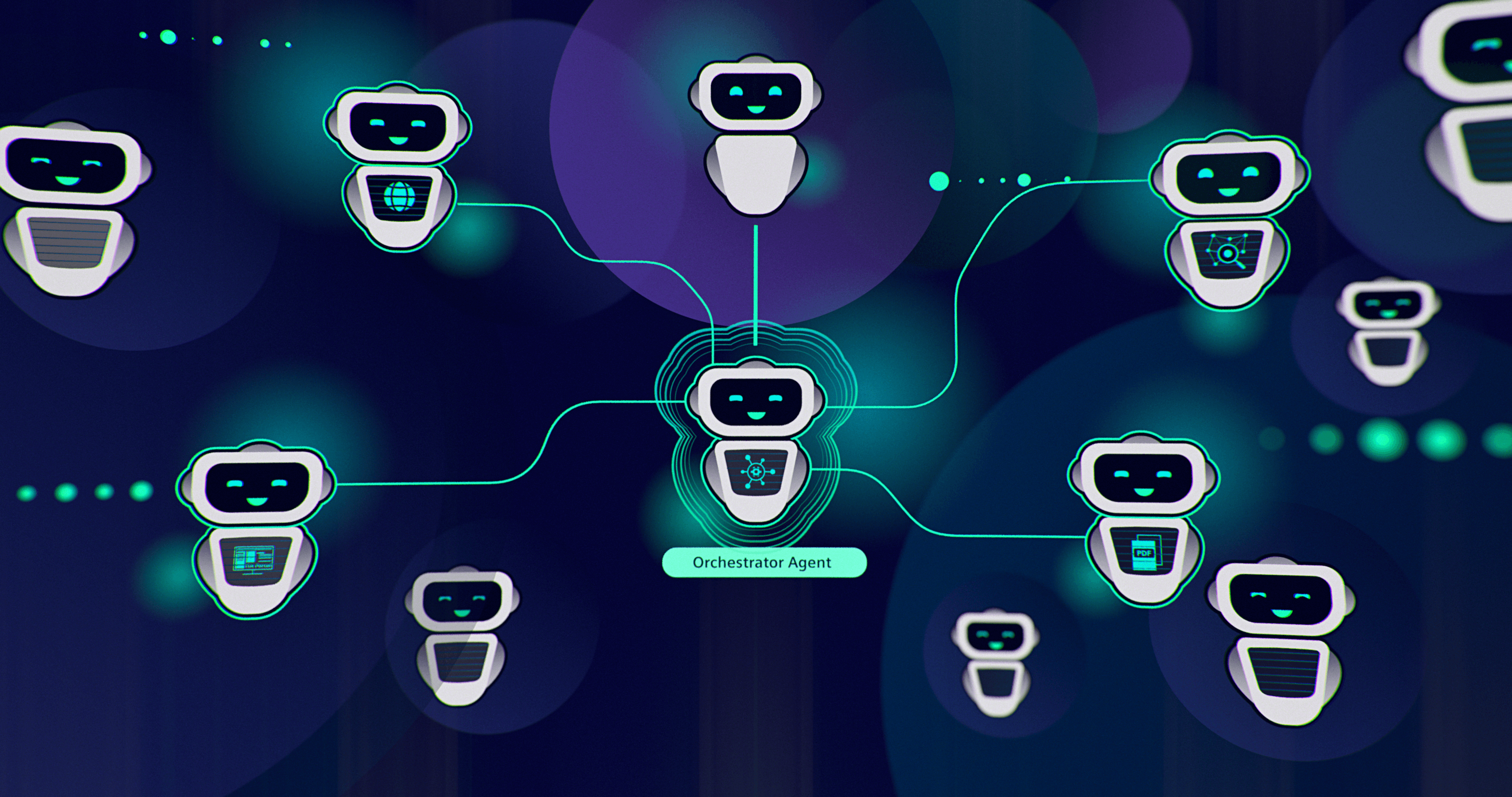
AI agents are autonomous software programs capable of perceiving data, making decisions, and performing actions to achieve specific goals. Unlike traditional bots that follow rigid instructions, modern AI agents can learn, adapt, and optimize their behavior based on feedback. Examples include trading bots, customer support assistants, autonomous research tools, and personal AI copilots.
What Crypto Adds to AI
AI systems alone lack a native way to own assets, transfer value, or establish trust across parties. This is where blockchain technology becomes critical.
Crypto provides AI agents with:
1. Native Digital Payments
AI agents can pay for APIs, data, computing power, or services instantly using cryptocurrency. This removes reliance on banks, cards, or manual billing systems.
2. Trustless Execution
Smart contracts allow agents to execute agreements automatically once predefined conditions are met. No middlemen, no delays.
3. Verifiable Identity
On-chain identity systems allow AI agents to have verifiable reputations, ensuring they can be trusted in marketplaces.
4. Ownership Rights
Agents can own wallets, NFTs, or digital assets, enabling them to manage resources independently.
Real-World Use Cases Emerging
The intersection of crypto and AI is not theoretical — it is already being explored in multiple sectors.
Autonomous Trading Agents
AI bots can analyze markets and execute trades while using crypto wallets to manage funds independently.
Decentralized AI Marketplaces
Developers can deploy AI models and sell access through smart contracts, allowing other agents to pay per request.
Self-Running Businesses
Imagine an AI agent that runs an online store. It could order inventory, pay suppliers, manage ads, and distribute profits automatically.
Machine-to-Machine Economy
Devices such as smart cars or IoT machines could pay each other for services like charging, data sharing, or bandwidth.