Why Men Should Never Choose a Bike Helmet Based on Looks Alone
A motorcycle helmet is more than just a riding accessory. It is an essential piece of protective equipment that helps reduce the risk of serious head injuries during an accident. While appearance, colour, and design often influence purchasing decisions, choosing a helmet based only on its looks can be a costly mistake.
Today, helmets for men are available in different styles, finishes, colours, and designs. From sporty graphics to minimal solid colours, riders have plenty of options to match their motorcycles and personal preferences. However, a good-looking helmet is not necessarily a safe or suitable one.
Before purchasing your next helmet, it is important to understand the features that genuinely matter. Here are the reasons why safety, fit, and functionality should always come before appearance.
1. Safety Certification Matters More Than Design
The first thing to check when purchasing a motorcycle helmet is its safety certification. A stylish helmet may attract attention, but its protective performance should be your main concern.
In India, look for genuine BIS certification and the applicable ISI mark for motorcycle helmets. Check the certification details and ensure that the product complies with the relevant safety requirements.
Avoid purchasing helmets that have unclear certification information or appear suspiciously inexpensive compared with similar certified products.
Remember, a helmet is designed to help protect your head during an impact. Its appearance cannot tell you whether it meets the required safety standards.
2. The Right Fit Is Essential for Protection
One of the biggest mistakes riders make is choosing a helmet based on appearance without checking whether it fits correctly.
A helmet that is too loose may shift during riding or an accident. On the other hand, one that is excessively tight can create uncomfortable pressure around the forehead and cheeks.
When exploring helmets for men, measure your head circumference with a flexible measuring tape. Compare the measurement with the manufacturer's size chart.
Keep these fitting points in mind:
- The helmet should fit snugly without causing pain.
- The cheek pads should make gentle contact with your cheeks.
- It should not move excessively when you shake your head.
- The forehead area should not experience uncomfortable pressure.
- The chin strap should fasten securely.
A helmet should feel secure and balanced. Never assume that a particular size will fit every brand or model in the same way.
3. Different Helmet Styles Offer Different Coverage
A helmet's design affects how much of your head and face it covers. Choosing a style simply because it looks attractive may mean overlooking important differences in protection.
Here are some common helmet types:
Full-Face Helmet: Covers the entire head, including the chin and jaw area. It is a popular choice among riders looking for extensive facial coverage.
Open-Face Helmet: Covers the top, sides, and back of the head but leaves the face exposed. It offers a different riding experience but less facial coverage than a full-face design.
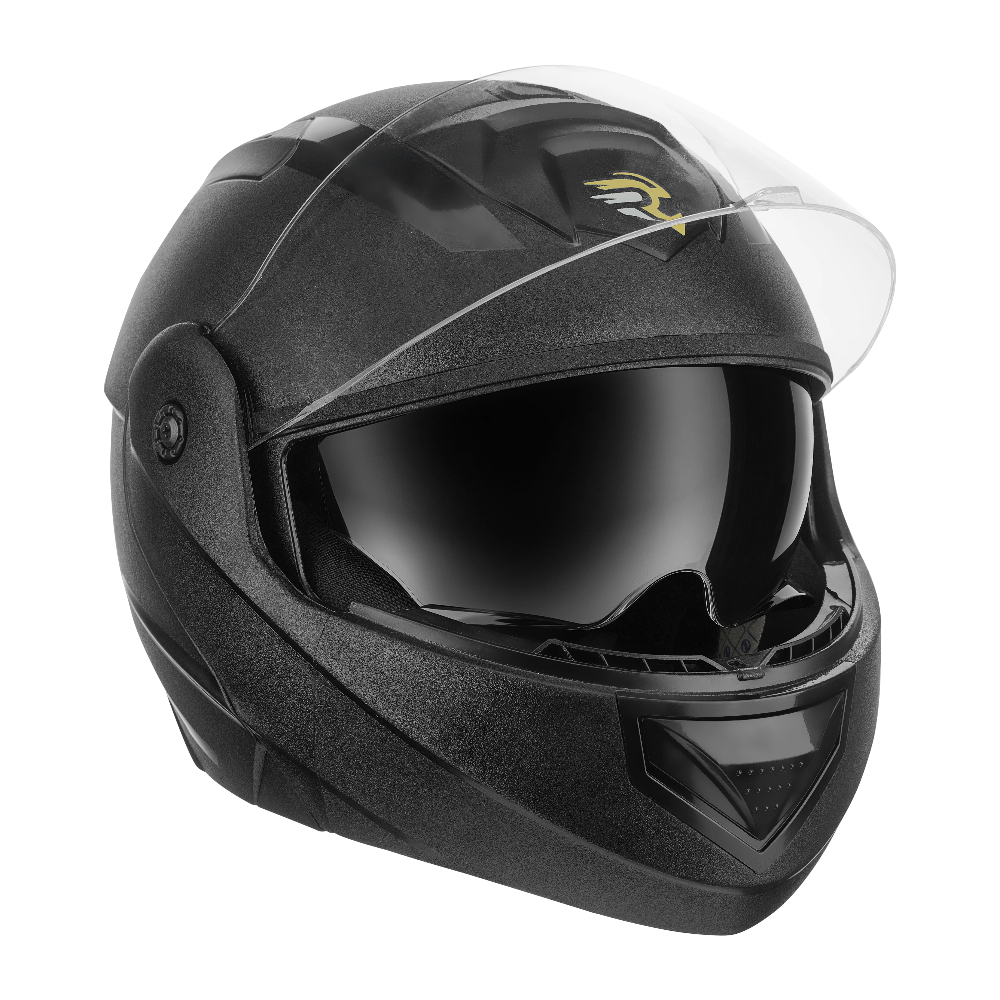
Modular Helmet: Features a movable chin section that can be lifted when permitted by its design and certification. Check the manufacturer's instructions for safe use.
Half Helmet: Provides more limited coverage than full-face designs. Riders should carefully consider the coverage and applicable certification before choosing one.
Always select a helmet based on your safety requirements and riding habits rather than its visual appeal.
4. Comfort Is Important During Long Rides
A helmet may look impressive in photographs but feel uncomfortable after wearing it for an extended period. Weight, padding, shape, and overall construction all influence comfort.
If you regularly commute or travel long distances, look for a helmet that sits comfortably without creating unnecessary pressure.
Check the interior padding and whether the liner is removable and washable. Also consider the helmet's weight and balance. A comfortable design can make everyday riding more enjoyable.
However, do not compromise on protective construction simply to find the lightest helmet available.
5. Ventilation Can Make a Difference
Riding in warm weather can make a poorly ventilated helmet uncomfortable. Heat and moisture may build up inside, particularly during longer journeys.
Before choosing helmets for men, check the ventilation system. Some designs feature air intake vents and exhaust outlets that help circulate air inside the helmet.
The placement and design of these openings can influence airflow. Consider your usual riding conditions and whether the ventilation system suits your needs.
A helmet with attractive graphics but inadequate ventilation may not be the most comfortable option for regular use.
6. Visor Quality Should Never Be Ignored
A helmet visor plays an important role in maintaining clear visibility while riding. Scratches, distortion, poor fit, or an unreliable visor mechanism can affect your ability to see the road clearly.
Before purchasing, check whether the visor opens and closes smoothly. Look for visible defects and ensure that it stays securely in position.
Some helmets offer tinted or additional visor options. These may be useful in bright conditions, but dark visors should not be used when visibility is poor or at night unless specifically approved for those conditions.
A clear, undamaged visor is an important feature for everyday riding.
7. The Chin Strap and Fastening System Matter
A helmet must remain securely positioned on your head to provide its intended protection. This makes the chin strap and fastening mechanism essential features.
Check the strap's stitching, adjustment system, and fastening quality. It should be comfortable but secure when properly tightened.
Before every ride, make sure the helmet is fastened correctly. Never ride with the chin strap hanging loose or left unfastened.
Even an attractive helmet with a poor or damaged fastening system should not be considered a suitable purchase.
8. Consider Durability and Maintenance
A helmet needs regular inspection and proper maintenance. Its outer shell, inner padding, visor, and straps should be checked for damage or signs of wear.
Follow the manufacturer's cleaning instructions and avoid harsh chemicals that could damage its materials.
If your helmet experiences a significant impact, replace it even if there are no visible cracks. Internal damage may not be obvious from the outside.
Also follow the manufacturer's recommendations regarding its service life. Do not continue using a helmet indefinitely simply because its exterior still looks good.
9. Do Not Let Discounts Decide Your Purchase
Attractive discounts and promotional offers can make a helmet look like an excellent deal. However, a lower price should never be the only reason to purchase protective equipment.
Compare helmets for men based on their certification, fit, coverage, construction, ventilation, and visor quality.
Set a practical budget, but prioritise safety and suitability over decorative features or temporary discounts. Purchasing a certified helmet from a reliable seller is a more sensible approach than choosing an unknown product based only on its appearance.
10. Balance Personal Style with Practical Features
There is nothing wrong with wanting a helmet that complements your motorcycle or personal style. Modern helmets come in a wide range of colours, graphics, and finishes.
You can absolutely choose a design that reflects your personality. The important thing is to make style the final consideration rather than the first.
Once you have confirmed the helmet's certification, fit, coverage, and comfort, you can select the colour and design you prefer.
Conclusion
A motorcycle helmet is an important investment in personal safety, and choosing one should involve more than checking its appearance. Certification, correct fit, coverage, comfort, ventilation, visor quality, and fastening systems all deserve attention.
When comparing helmets for men, take the time to understand their specifications and try different sizes before making a decision. A helmet that looks attractive but does not fit properly or meet safety requirements is not a suitable choice.
Enjoy your personal style, but never allow it to come before protection. The right helmet is the one that combines a secure fit, appropriate safety standards, and practical features for your riding needs.
Frequently Asked Questions
1. What should men check before buying a motorcycle helmet?
Check the safety certification, helmet size, fit, coverage, ventilation, visor quality, chin strap, and overall construction. These features are more important than colour or appearance.
2. Which helmet type offers better facial coverage?
A full-face helmet covers the head, chin, and jaw area, offering more facial coverage than open-face and half-helmet designs. Always check its certification and ensure that it fits correctly.
3. How do I know if a helmet fits properly?
A properly fitted helmet should feel snug without causing pain. Its cheek pads should make gentle contact with your cheeks, and it should not move excessively when you shake your head.
4. Is an ISI-marked helmet necessary in India?
Look for genuine BIS certification and the applicable ISI mark when purchasing a motorcycle helmet in India. Verify the certification details and avoid products with questionable safety markings.
5. Can I choose helmets for men based on style and colour?
Yes, personal style and colour can influence your final choice. However, always prioritise safety certification, proper fit, coverage, and comfort before selecting a design.