Road Traffic System in Pakistan, A Structural and Social Snapshot.

Pakistan’s road infrastructure forms the backbone of the country’s transport system, connecting major cities, rural regions and economic hubs. The nation possesses an extensive road network of about 400,000 km, though roughly 40% of these roads are in poor or deteriorating condition due to maintenance shortfalls and heavy usage.
National Highways (N-series) Major intercity roads like the N-25 connecting Karachi to Quetta and onward to Chaman, carrying both freight and passenger traffic. These highways often suffer from narrow carriageways and dangerous alignments, prompting government commitments to upgrade them to motorway standards.
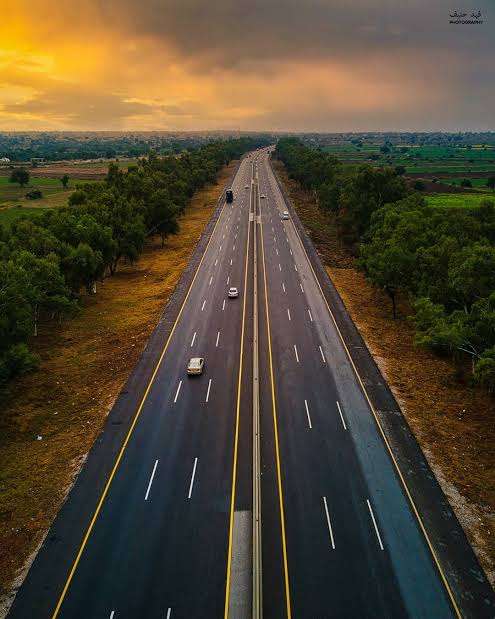
Motorways (M-series) Limited-access high-speed roads linking large cities (e.g., M-2 Islamabad–Lahore), designed to modern standards and relatively safer.
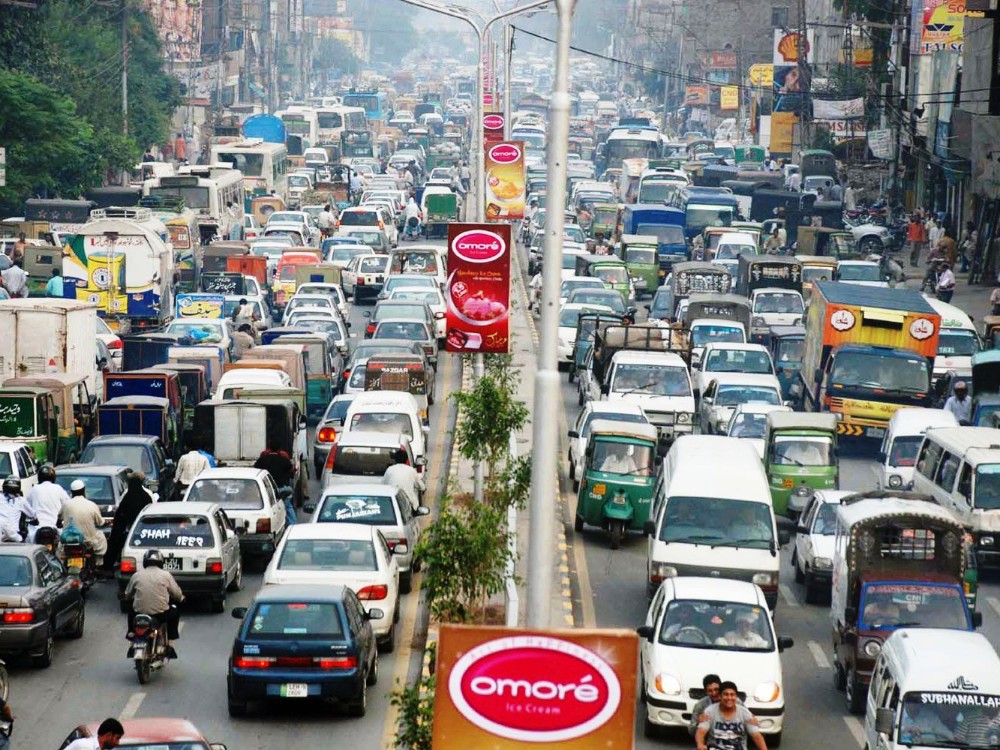
Urban Roads, In cities such as Karachi, Lahore, Islamabad and Rawalpindi, urban arterial roads, signalized intersections, flyovers and interchanges aim to manage dense traffic flows. Flyovers like Chandni Chowk in Rawalpindi and the Fayzabad Interchange in Islamabad help reduce chokepoints on busy corridors.
Secondary and Rural Roads, Often unpaved or poorly maintained, presenting safety risks and slow travel, especially in remote areas.
Despite these assets, the gap between infrastructure and demand is wide. Cities are expanding faster than road capacities and planning frameworks can adapt, leading to gridlocks and unsafe conditions.
Types of Roads and Traffic Load
Pakistan’s road system sees mixed traffic comprising private cars, buses, trucks, motorcycles, animal-drawn carts and pedestrians. In urban areas motorcycles alone can constitute over half of vehicles on the road. The mix of slow and fast vehicles, inadequate lane discipline and overloaded transports increases congestion and risk.
Heavy vehicles frequently ignore restrictions, especially outside peak enforcement hours, placing strain on key corridors. Overloaded buses, trolleys and trucks are common, contributing significantly to collisions and road wear.
Traffic Laws and Enforcement
Pakistan has a legal framework for road safety, including the National Highways and Motorway Police (NHMP) and provincial traffic police enforcing ordinances like the Motor Vehicle Ordinance and traffic rules. However, enforcement is inconsistent. A push towards e-challans (digital fines) and camera-based detection is underway in some cities to improve accountability and reduce on ground confrontations.
In cities like Islamabad and Faisalabad, authorities have undertaken crackdown campaigns resulting in thousands of vehicles being impounded and fined for violations such as driving without a license, signal jumping and illegal parking.
Despite this, implementation challenges persist.
Resource gaps.
Traffic police often lack equipment, training and robust systems, especially in rural areas.
Corruption and bribery.
Anecdotal reports from major cities like Karachi highlight instances where traffic enforcement is associated with bribery, harassment and arbitrary stops, undermining trust and discouraging compliance.
Infrastructure deficits.
Poor road quality, dysfunctional signals and lack of signs are frequently blamed for non compliance and ineffective enforcement.
Public Awareness and Compliance
Public awareness of traffic laws is mixed. Educational platforms exist to teach road signs and basic rules, but compliance is low , particularly among younger drivers and motorcyclists. Social attitudes often reflect a pattern where rules are seen as negotiable or avoidable, especially where enforcement is lax or corrupt.
Some analysts link this to broader societal norms where discipline in public spaces is weak, and feudalistic or hierarchical mindsets can discourage orderly behavior on the roads.
Congestion, Traffic Blocks and Accidents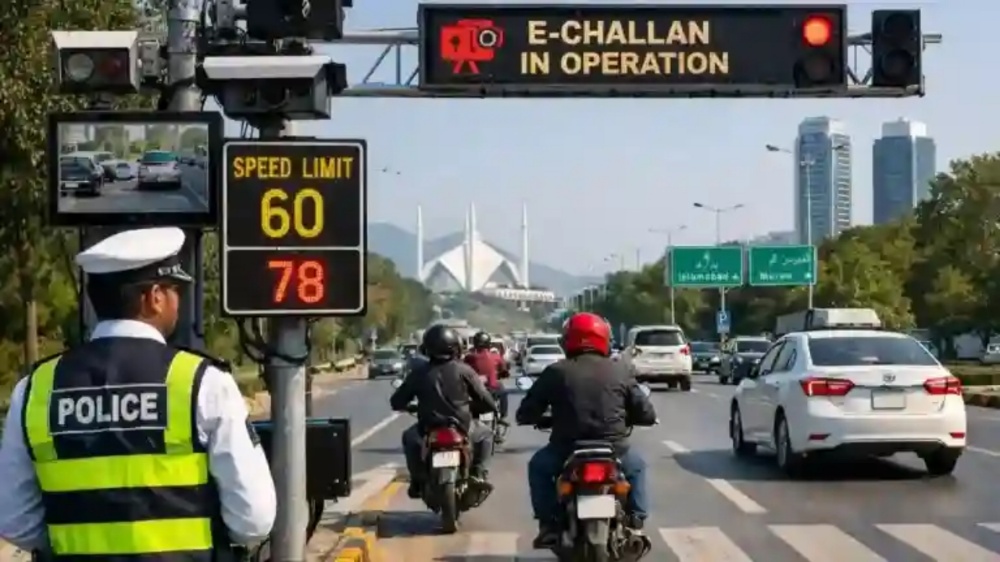
Recent accidents , including multiple fatal crashes in Punjab and Balochistan illustrate the ongoing crisis and its human cost.
I am Hopeful for Improvement.
There are reasons for cautious optimism:
🤗Governments are investing in infrastructure upgrades, signal-free corridors and new interchanges.
🤗Technology like e-challans and automated monitoring systems could enhance enforcement transparency. ( I got just couple of days, 2000 rupees E Chalan where I were caught in camera by riding my bike without wearing helmet)
🤗Campaigns to raise awareness are growing, targeting safer driving behavior.
🤗Real change, however, hinges on consistent enforcement, reducing corruption, improving public transport and instilling a culture of road discipline.
Conclusion
Pakistan’s traffic system reflects a developmental crossroads: expanding infrastructure and legal frameworks contrast sharply with enforcement gaps and behavioral norms. Tackling congestion, corruption, and road safety will require long-term coordination between policymakers, enforcement agencies and the public but incremental improvements offer a path toward safer and more efficient roads.
Thanks for reading my observations, thought and feeling about road traffic system which is painful somewhere and luxury somewhere.
Note: The article has been published on my read.cash Wall also.
Like, upvote and leave comment for feedback.
Cheers
Amjad