The Biggest Risks to Your Crypto Vault Wallet (And How to Avoid Them)

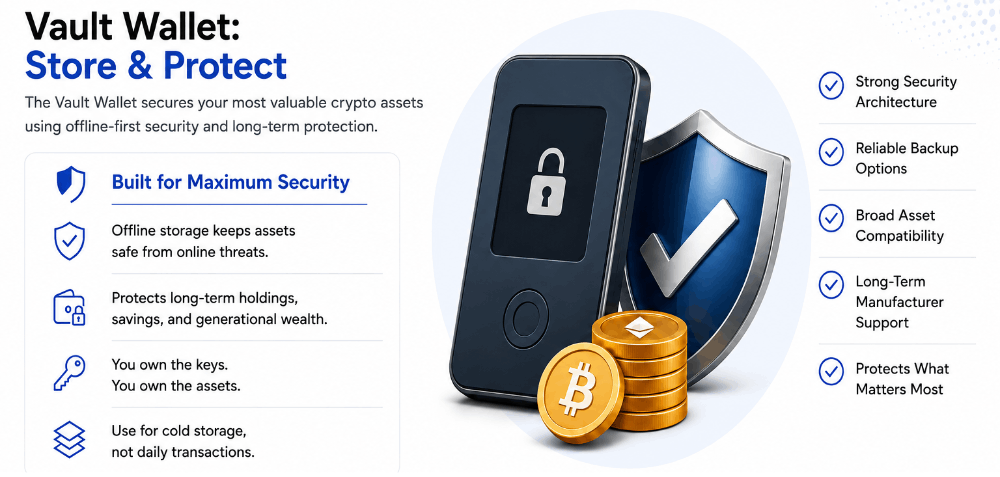
For many crypto users, a Vault Wallet is where their most valuable digital assets are stored.
Whether it's years of Bitcoin savings, long-term Ethereum holdings, or tokens intended for the future, this wallet is meant to provide the highest possible level of protection.
Ironically, the greatest threats to a Vault Wallet rarely come from hackers breaking advanced encryption. More often, they result from users unintentionally exposing their own wallets through unnecessary actions.
What Is a Vault Wallet?
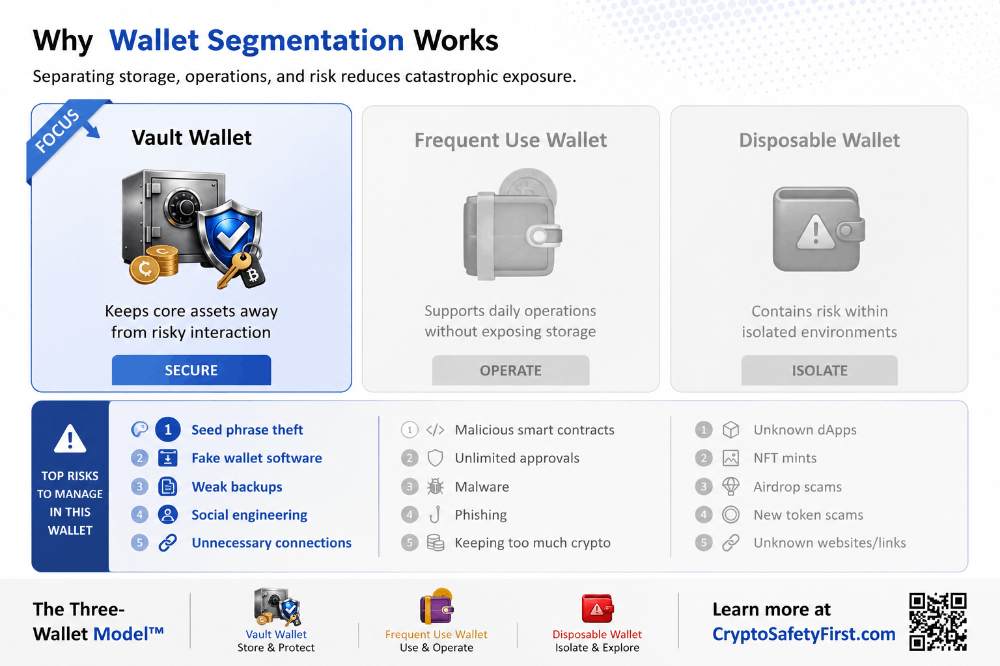
A Vault Wallet is a wallet dedicated to long-term storage. It is designed to hold assets that are rarely moved and should remain isolated from everyday crypto activity.
Unlike wallets used for trading, staking, or interacting with decentralized applications, a Vault Wallet should spend most of its life disconnected from the internet.
Its purpose is simple: maximize security, even if that means sacrificing convenience.
The Most Common Risks
Entering Your Recovery Phrase on a Computer
One of the most damaging mistakes is typing a recovery phrase into a computer after seeing a message claiming wallet verification, firmware validation, or account recovery is required.
Legitimate hardware wallets never require you to enter your recovery phrase into a computer during normal operation. Once the phrase is exposed to malware or a phishing website, an attacker can recreate the wallet and transfer the funds within minutes.
Connecting the Vault More Often Than Necessary
Every time a wallet is connected to a computer or used to sign transactions, its exposure increases.
Many users connect their long-term storage wallet for routine checks or small transfers that could have been handled by another wallet. The safest Vault Wallet is one that remains offline unless there is a genuine need to use it.
Falling for Fake Software and Phishing Websites
Cybercriminals regularly create convincing copies of wallet applications, firmware update pages, and support websites.
Installing unofficial software or approving instructions from fake websites can completely undermine the security provided by a hardware wallet.
Always verify that software and firmware come directly from the wallet manufacturer's official sources.
Weak or Unverified Backups
Owning a hardware wallet is only part of the security process.
If the recovery phrase is lost, damaged, stored in an insecure location, or never tested for readability, users may permanently lose access to their assets after a device failure or accident.
A secure backup should be protected from theft, fire, water damage, and accidental destruction.
Social Engineering
Attackers often avoid technical attacks altogether.
Instead, they convince users to reveal sensitive information by pretending to be customer support, security teams, investment advisors, or trusted community members.
No legitimate support representative will ever ask for your recovery phrase.
How to Keep a Vault Wallet Secure
A few disciplined habits significantly reduce the risk of losing long-term holdings:
- Keep the wallet dedicated to long-term storage.
- Never enter your recovery phrase on a computer or website.
- Install wallet software only from official sources.
- Maintain secure, offline backups of your recovery phrase.
- Connect the wallet only when necessary.
- Ignore unsolicited messages claiming there is a problem with your wallet.
- Verify every transaction before approving it on the hardware wallet itself.
Verify Every Transaction on the Hardware Wallet Screen
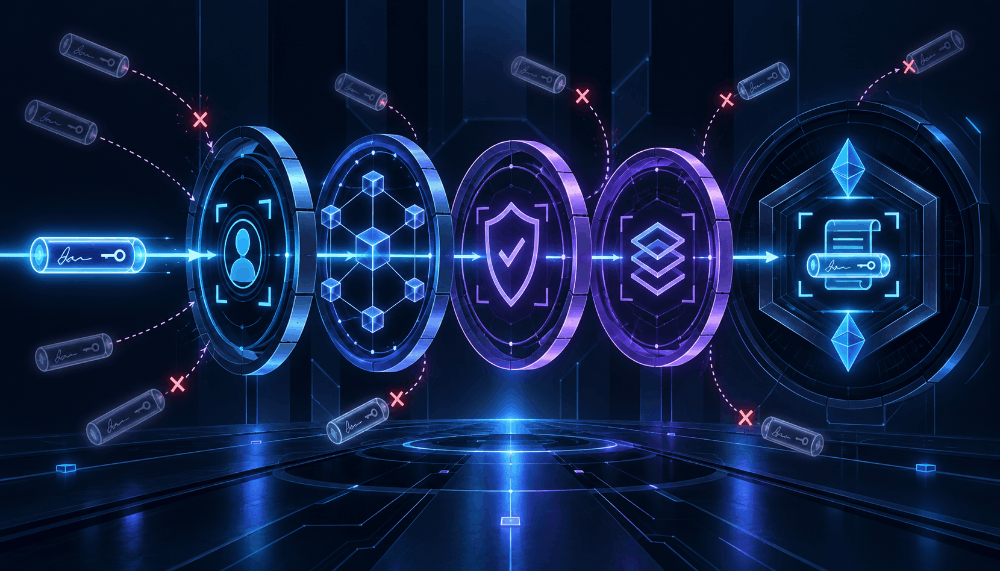
A hardware wallet protects your private keys, but it cannot protect you from approving the wrong transaction.
Many users carefully review the transaction on their computer and then approve it on the hardware wallet without checking the information displayed on the device itself. If malware has modified the transaction before it reaches the hardware wallet, the device's screen is your final opportunity to detect the manipulation.
Before confirming any transaction, always verify on the hardware wallet screen:
- FULL Recipient address
- Amount
- Blockchain network
- Transaction details
If any information differs from what you expected, reject the transaction immediately and investigate before trying again.
This recommendation is strongly supported by the Crypto Safety First 2026 Incident Dataset. Based on our analysis of 1,381 curated real-world crypto and Web3 security incidents collected throughout 2026, Transaction & Signature Verification was mapped to 145 incidents (10.5%), making it one of the most impactful defensive controls identified in our research.
Many wallet drainers, malicious approvals, address manipulation attacks, phishing campaigns, and fraudulent transaction requests could have been prevented if users had carefully verified the transaction details on the trusted hardware wallet display instead of relying solely on the connected computer.
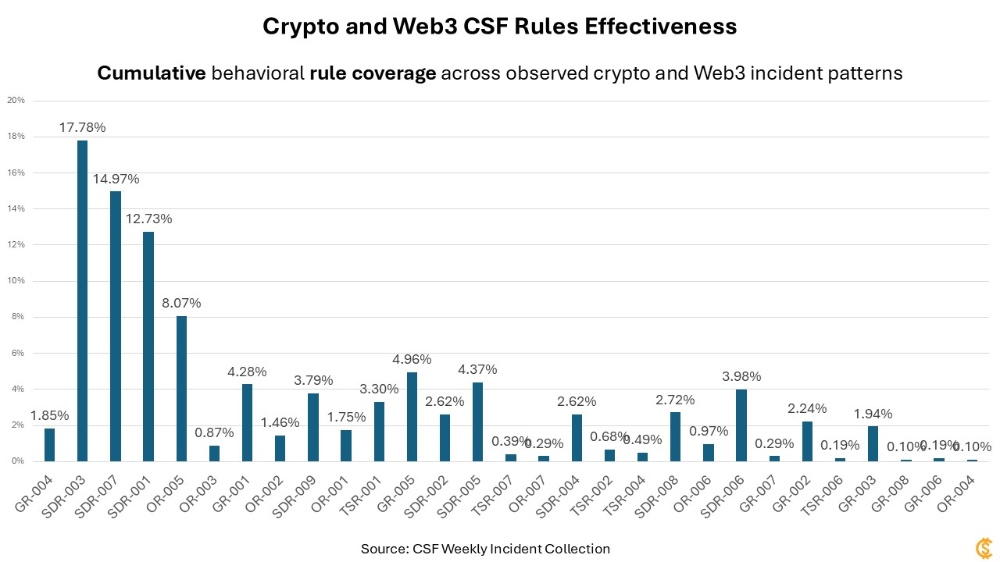
While no single security practice can stop every attack, verifying the transaction on the hardware wallet screen before pressing Confirm provides one final, trusted opportunity to detect unexpected changes before they become irreversible.
Security Is About Reducing Exposure
Many people focus on choosing the "most secure" wallet. While the choice of wallet matters, long-term security depends even more on how the wallet is used.
The less exposure a Vault Wallet has to the internet, unknown applications, and unnecessary transactions, the lower the chance that a single mistake could lead to a catastrophic loss.
For long-term investors, security is not about constantly interacting with a wallet. It is about creating an environment where valuable assets remain protected by design.
Want to build a safer self-custody setup?
This article focuses on one wallet type. Learn how the Vault Wallet, Frequent Use Wallet, and Disposable Wallet work together as part of The Three-Wallet Model at CryptoSafetyFirst.com.