A Clear Overview of the LFWallet Ecosystem
As the decentralized economy continues to mature in 2026, the conversation is gradually shifting from speculation to infrastructure. The focus is no longer only on acquiring digital assets but on building systems that provide control, security, and practical utility. Within this context, LFWallet and the LF token operate as complementary components designed to connect blockchain technology with everyday financial activity.
This overview explains how both elements function and why their combined structure is positioned to support long term participation in Web3.
LFWallet: A Non Custodial Foundation
A common entry point into crypto is through centralized exchanges. While convenient, these platforms retain custody of user assets. This structure introduces counterparty risk, since access to funds depends on the platform remaining operational and compliant.
LFWallet operates differently. It is a non custodial wallet, meaning users retain control of their private keys. The keys are stored locally on the user’s device rather than on a central server. This model ensures that ownership remains with the individual. Access to funds does not depend on a third party’s solvency or technical stability.
Beyond custody, LFWallet is designed as a multi chain environment. Users can manage assets across Ethereum, Base, Polygon, and Solana within a single interface. This eliminates the need to maintain multiple wallet applications for different ecosystems. For individuals interacting across decentralized finance, NFTs, and payment systems, consolidated management improves efficiency and reduces operational friction.
Security is another central feature. Transaction approval in Web3 environments can expose users to malicious contracts or deceptive links. LFWallet incorporates built in filters to identify suspicious activity before a transaction is signed. This added verification layer is intended to reduce exposure to common threats such as wallet drainers and fraudulent contract interactions.
In addition, LFWallet integrates support for widely adopted stablecoins, including USDC and EURC through Circle infrastructure. This positions the wallet as a practical option for individuals who prioritize price stability for payments or savings while remaining within a decentralized environment.
The LF Token: Utility Within the Ecosystem
While LFWallet provides infrastructure, the LF token functions as the operational utility layer within the broader LF Labs ecosystem.
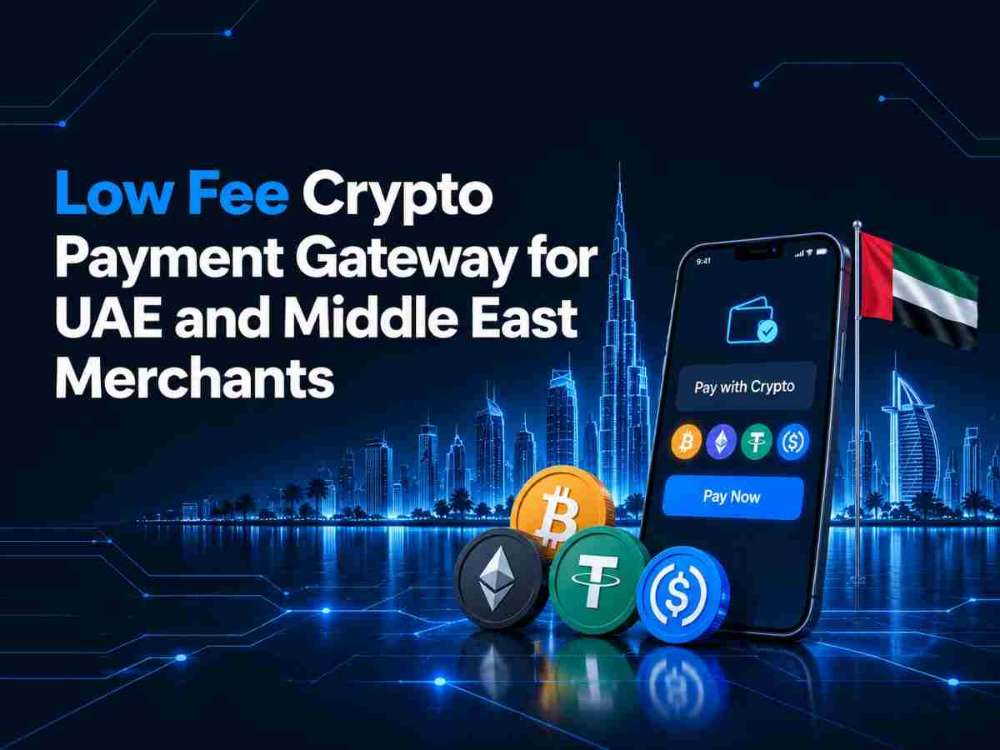
The token is designed to serve practical roles rather than existing solely as a speculative asset. One example is merchant integration. LF Labs produces point of sale terminals intended to facilitate crypto payments in physical retail settings. When transactions are conducted using the LF token through these terminals, users may receive transaction related benefits such as payment discounts. This introduces an incentive structure aligned with real world usage.
Staking is another component of the token model. Token holders may participate in staking mechanisms that support ecosystem liquidity and receive rewards in return. This structure encourages long term engagement rather than short term trading activity.
Governance also forms part of the token’s purpose. As the ecosystem evolves, LF token holders are expected to participate in decision making processes regarding feature expansion and network support. This aligns development direction with community interests.
Additionally, LF Labs operates an accelerator program that supports new Web3 initiatives. The LF token is frequently integrated into projects launched within this framework, expanding its utility across a growing network of applications.
Strategic Relevance in the Current Cycle
The broader digital asset market is gradually transitioning from a hype driven phase toward practical implementation. Infrastructure, security, and merchant integration are becoming more relevant metrics than short term price movements.
The combined structure of LFWallet and the LF token reflects this shift. LFWallet provides custody control, cross chain access, and transaction security. The LF token introduces functional incentives tied to payments, governance, and ecosystem participation.
Together, they represent an attempt to move decentralized finance from abstract theory to usable financial architecture. Rather than positioning Web3 as a speculative experiment, the ecosystem aims to frame it as a working system capable of supporting daily economic activity.
For individuals seeking greater autonomy over digital assets while engaging with practical blockchain applications, understanding how custody, utility, and infrastructure interact is essential. LFWallet and the LF token illustrate one approach to building that integrated model.