How Does Anti Aging Night Cream Fit Into an Effective Nighttime Skincare Routine?
A consistent nighttime skincare routine can be an important part of maintaining healthy-looking skin. While the skin naturally changes with age, factors such as sun exposure, environmental pollution, dryness, stress, and lifestyle habits can influence its appearance. Nighttime skincare provides an opportunity to cleanse away the day's buildup and apply products designed to support hydration and overall skin care.
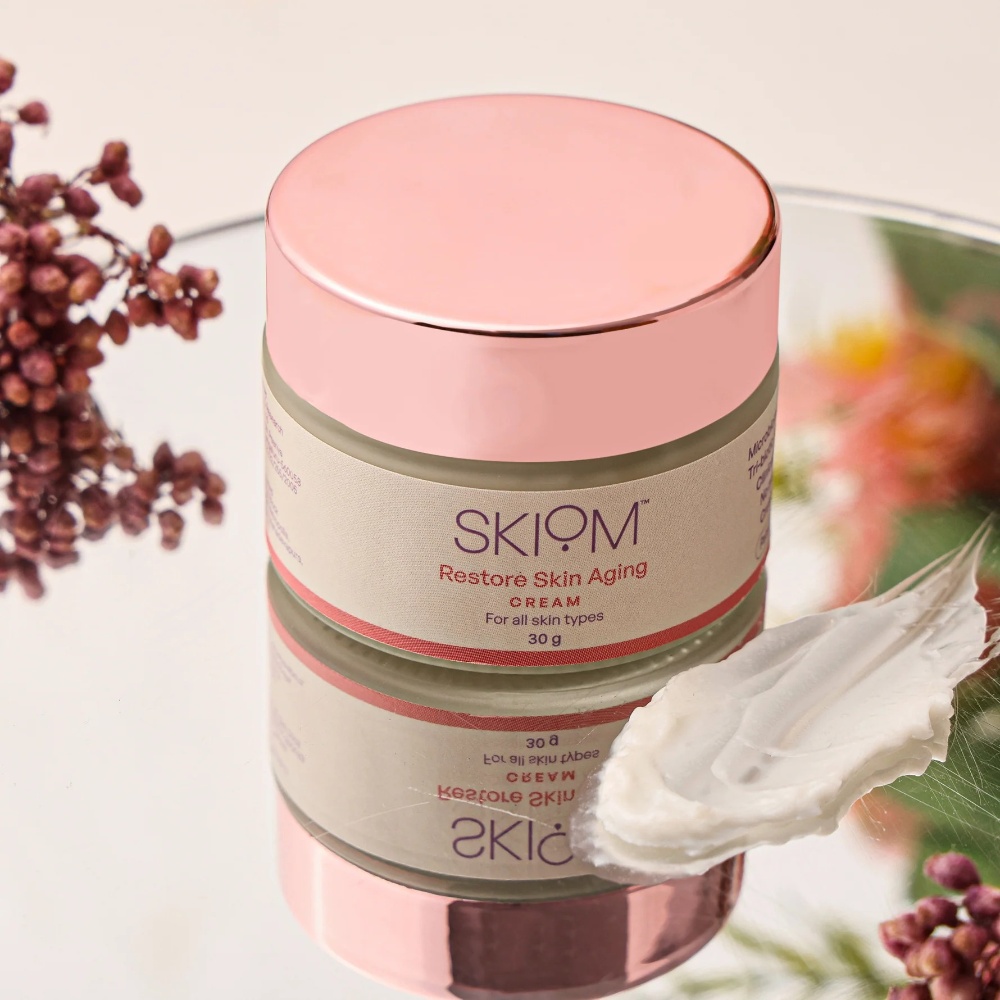
An anti aging night cream can be a useful addition to this routine. Depending on its formulation, it may provide moisturizing care while supporting concerns such as dryness, uneven texture, and the visible appearance of fine lines. Choosing the right product and using it consistently can help create a practical nighttime routine.
Why Is Nighttime Skincare Important?
Throughout the day, the skin is exposed to environmental factors such as dust, pollution, sunlight, and changing temperatures. A nighttime routine helps remove impurities and prepares the skin for moisturizing and other targeted skincare products.
A simple evening routine can help maintain skin comfort and hydration without requiring numerous products. The key is to choose products according to your skin type and use them consistently.
What Is an Anti Aging Night Cream?
An anti aging night cream is a moisturizer formulated to provide skincare support during an evening routine. Depending on the ingredients, such creams may focus on hydration, skin softness, texture, or the appearance of fine lines.
The exact benefits depend on the product's formulation. Consumers should review the ingredient list, follow the manufacturer's instructions, and choose products suitable for their individual skin needs.
Step 1: Start With Gentle Cleansing
The first step in a nighttime routine should generally be cleansing.
A gentle cleanser can help remove makeup, excess oil, dirt, sweat, and environmental impurities accumulated during the day. Avoid using excessively hot water or harsh cleansing techniques, as these may leave the skin feeling dry or uncomfortable.
After cleansing, gently pat the skin dry instead of rubbing it aggressively.
Step 2: Apply Targeted Skincare Products
If your routine includes serums or other targeted products, they can generally be applied after cleansing and before moisturizer, depending on the product instructions.
Allowing products to absorb according to their recommended usage can help keep the routine organized.
Avoid adding too many active ingredients at once, particularly if your skin is sensitive or you are new to skincare.
Step 3: Use an Anti Aging Night Cream
Once the earlier steps are complete, an anti aging night cream can be applied as part of the moisturizing stage.
Use the amount recommended on the product packaging and spread it evenly over clean skin. Avoid applying products close to the eyes unless they are specifically designed for that area.
A night cream can help provide a comfortable moisturizing layer while you sleep.
Why Hydration Matters at Night
Skin that lacks moisture may appear dull, rough, or more textured. Regular moisturizing can help support a softer and smoother-looking complexion.
As skin ages, it may naturally become drier, making moisturizing particularly relevant for many people. A suitable night cream can help maintain skin comfort and support its hydrated appearance.
However, hydration alone cannot stop the natural aging process.
Ingredients to Consider
When choosing an anti aging night cream, the ingredient list deserves attention.
Depending on the formulation, products may contain ingredients intended to support:
- Skin hydration
- Moisture retention
- Skin softness
- Smoother-looking texture
- The appearance of fine lines
- Overall skin comfort
Different ingredients may be appropriate for different skin types. Always check the product information and follow the recommended application instructions.
Choosing a Night Cream Based on Skin Type
Your skin type can influence which night cream feels most comfortable.
Dry Skin
People with dry skin may prefer richer cream textures that provide a more substantial moisturizing feel.
Normal Skin
Normal skin may work well with a balanced moisturizing formula that supports softness without feeling excessively heavy.
Combination Skin
Those with combination skin may prefer a moderate texture and adjust the amount used in different areas according to their needs.
Oily Skin
People with oily skin may prefer lighter formulations. Moisturizing is still important, but the product should feel comfortable without creating excessive heaviness.
Consistency Is More Important Than Complexity
An effective skincare routine does not necessarily require a large number of products.
A simple routine consisting of cleansing, appropriate targeted skincare, and moisturizing can be easier to maintain consistently than a complicated routine with numerous steps.
Using an anti aging night cream regularly according to its instructions can make it a practical part of everyday skincare.
Don't Forget Daytime Sun Protection
Nighttime skincare and daytime protection work together.
Sun exposure is a major environmental factor associated with visible signs of skin aging. Using a broad-spectrum sunscreen during the day can help protect the skin from ultraviolet exposure.
A night cream cannot replace sunscreen. Both products serve different purposes and can complement each other within a broader skincare routine.
Lifestyle Habits Also Matter
Skincare products are only one part of maintaining healthy-looking skin.
Supportive lifestyle habits include:
- Getting adequate sleep
- Eating a balanced diet
- Drinking enough water
- Managing stress
- Avoiding excessive sun exposure
- Exercising regularly
- Avoiding smoking
These habits can complement a consistent skincare routine.
Common Mistakes to Avoid
Several common mistakes can make a nighttime routine less effective or uncomfortable.
Using Too Much Product
Applying a large amount of cream does not necessarily provide better results. Follow the recommended quantity.
Skipping Cleansing
Applying skincare products over makeup, dirt, or excess oil can interfere with a clean routine.
Over-Exfoliating
Exfoliating too frequently can leave some skin types feeling irritated or dry. Follow product instructions and consider your skin's tolerance.
Introducing Multiple New Products
Adding several new products at the same time can make it difficult to determine which product suits your skin.
Patch Testing New Products
If you're introducing a new anti aging night cream, reviewing the ingredient list is a useful first step.
People with sensitive skin may consider patch testing according to appropriate skincare guidance. If persistent irritation, redness, swelling, or discomfort occurs, discontinue use and seek professional advice.
When Should You Apply Night Cream?
Night cream is generally used during the evening after cleansing and any products that are intended to be applied before moisturizer.
The exact order can vary depending on the product formulation. Always follow the manufacturer's directions.
The most important factor is maintaining a routine that works comfortably with your skin.
Final Thoughts
An effective nighttime skincare routine does not have to be complicated. Gentle cleansing, appropriate targeted skincare, moisturizing, and consistent habits can help support a healthier-looking complexion.
An anti aging night cream can fit naturally into the moisturizing stage of an evening routine. Depending on its formulation, it may help maintain hydration, softness, and a smoother-looking appearance.
For the best overall approach, choose products according to your skin type, review ingredients carefully, follow usage instructions, and combine nighttime care with daytime sun protection and healthy lifestyle habits.
Frequently Asked Questions
1. What is an anti aging night cream used for?
An anti aging night cream is generally used to provide moisturizing care while supporting the appearance of common age-related concerns such as dryness, uneven texture, and fine lines.
2. When should I apply anti aging night cream?
It is generally applied during the evening after cleansing and other products intended to be used before moisturizer. Always follow the specific product instructions.
3. Can an anti aging night cream replace sunscreen?
No. Night creams and sunscreen serve different purposes. Sunscreen helps protect skin from daytime ultraviolet exposure, while a night cream is intended for nighttime skincare.
4. Is an anti aging night cream suitable for all skin types?
Suitability depends on the formulation and individual skin needs. Consider your skin type, ingredients, texture, and product instructions before use.
5. Can an anti aging night cream stop skin aging?
No. Aging is a natural biological process. A suitable skincare routine can help support hydration and a healthier-looking appearance, but no cream can completely stop natural skin aging.