Understanding Web 3, Crypto and Blockchain

The Future of the Internet:
The internet is evolving. What started as static web pages (Web1) transformed into interactive social platforms (Web2), and now we are entering a new era known as Web3. At the center of this transformation are blockchain technology and cryptocurrencies, which promise to reshape finance, ownership, governance, and digital identity.
If you’ve heard terms like Bitcoin, Ethereum, DeFi, NFTs, or smart contracts and felt overwhelmed, this guide will break everything down in a clear and practical way.
What Is Web3?
Web3 refers to the next generation of the internet built on decentralized technologies. Unlike Web2 — where large companies control platforms and user data — Web3 aims to give control back to users.
In Web2:
Platforms own your data.
Companies control content distribution.
Monetization is centralized.
In Web3:
Users own their digital assets.
Transactions are peer-to-peer.
Control is distributed across networks.
Web3 runs primarily on blockchain networks, which allow users to interact without relying on traditional intermediaries like banks or tech giants.
What Is Blockchain?
Blockchain is the foundational technology behind Web3 and cryptocurrencies.
A blockchain is a decentralized digital ledger that records transactions across many computers. Once a transaction is recorded, it cannot easily be altered. This creates transparency, security, and trust without needing a central authority.
Think of blockchain as:
A public spreadsheet
That anyone can verify
But no single person can control
Each “block” contains transaction data, and blocks are linked together in chronological order — forming a chain.
Two major blockchain networks include:
Bitcoin – the first blockchain, primarily used for digital money.
Ethereum – introduced programmable smart contracts.
What Is Cryptocurrency?
Cryptocurrency is digital money built on blockchain technology. Unlike traditional currencies issued by governments, cryptocurrencies are typically decentralized.
For example:
Bitcoin was created in 2009 as a peer-to-peer digital currency.
Ethereum introduced smart contracts, enabling more than just payments.
Solana focuses on high-speed, low-cost transactions.
Cryptocurrencies can be used for:
Sending money globally
Investing and trading
Paying transaction fees
Participating in decentralized applications
However, crypto markets are volatile and require careful risk management.
Smart Contracts: The Engine of Web3
A smart contract is a self-executing program stored on a blockchain. It runs automatically when certain conditions are met.
For example:
If Person A sends 1 ETH
Then Person B automatically receives an NFT
No middleman. No delay. No manual processing.
Smart contracts power decentralized finance (DeFi), NFT marketplaces, and decentralized autonomous organizations (DAOs).
Decentralized Finance (DeFi)
Decentralized Finance, or DeFi, is one of the most revolutionary aspects of Web3.
DeFi allows users to:
Lend and borrow crypto
Earn interest
Trade assets
Provide liquidity
All without banks.
Popular DeFi platforms include:
Uniswap – decentralized crypto exchange
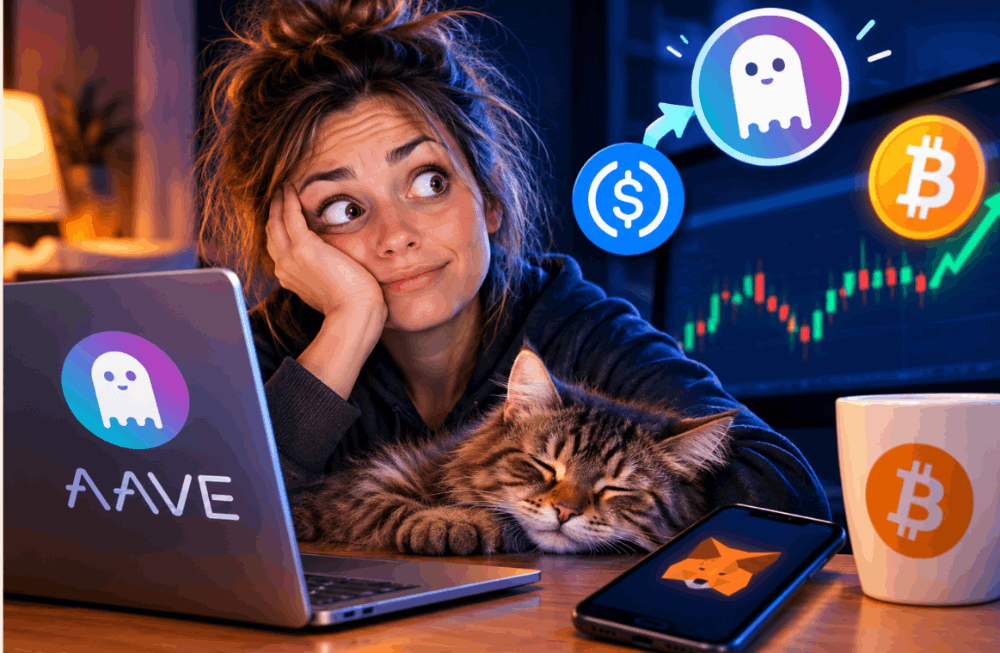
Aave – lending and borrowing platform
Instead of applying for a bank loan, users can deposit crypto as collateral and borrow instantly. Everything is managed by smart contracts.
NFTs: Digital Ownership
NFT stands for Non-Fungible Token. Unlike cryptocurrencies (which are interchangeable), NFTs represent unique digital assets.
NFTs can represent:
➡️Digital art
➡️Music
➡️Game assets
➡️Virtual land
➡️Membership passes
NFTs gained mainstream attention through collections like:
Bored Ape Yacht Club
The core idea behind NFTs is digital ownership. Instead of just viewing content, you can own a verifiable asset recorded on the blockchain.
DAOs: Internet-Native Organizations
A DAO (Decentralized Autonomous Organization) is an online community governed by smart contracts and token holders.
Instead of executives or a board of directors, decisions are made by voting with tokens.
For example:
Members propose ideas
Token holders vote
Smart contracts execute outcomes automatically
DAOs represent a new form of digital governance, allowing global collaboration without centralized leadership.
Why Web3 Matters
Web3 introduces several powerful shifts:
1. Digital Ownership
You truly own your assets — not a platform.
2. Financial Inclusion
Anyone with internet access can participate, even without a bank account.
3. Transparency
Transactions are publicly verifiable.
4. Censorship Resistance
No single authority can easily block transactions.
For developing regions especially, crypto offers access to global markets without traditional infrastructure barriers.
Challenges and Risks
Despite its potential, Web3 is not perfect.
1. Volatility
Crypto prices fluctuate heavily.
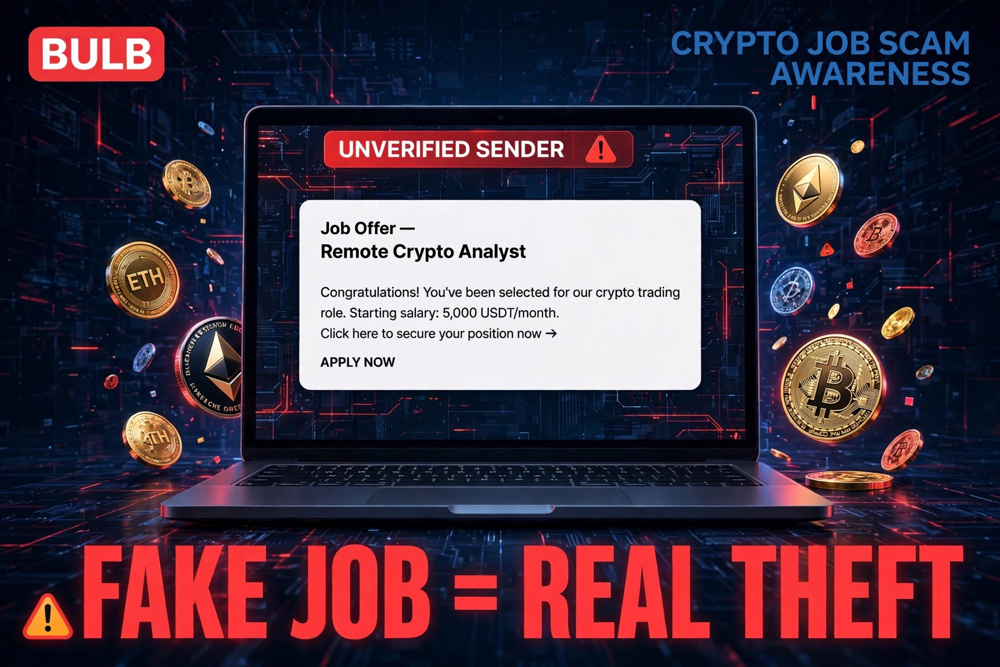
2. Scams and Hacks
Poor security practices can lead to losses.
3. Regulatory Uncertainty
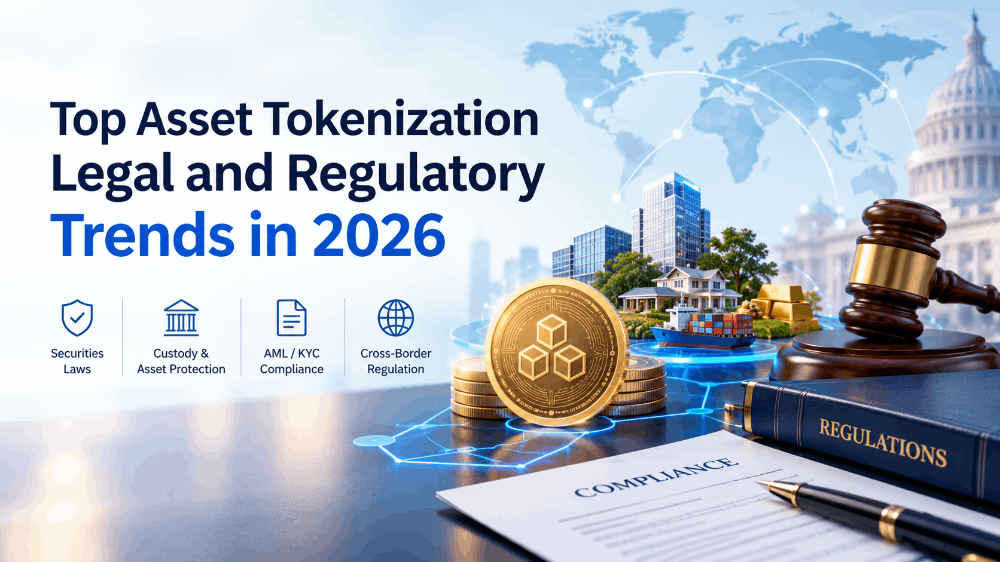
Governments are still developing crypto regulations.
4. Complexity
User experience is still technical for beginners.
Security education and due diligence are critical for anyone entering the space.
Web2 vs Web3: A Quick Comparison
Web2. Web 3
Centralized platforms. Decentralised networks
Platform-owned data. User-owned aasets
Banks process payments. Peer-to-peer transactions
Ads drive revenue
Tokens and protocol incentives
Web3 does not necessarily replace Web2 immediately, but the two may coexist and integrate over time.
The Future of Web3
The future of Web3 is still unfolding. Major companies, developers, and investors continue to build infrastructure, scaling solutions, and real-world use cases.
We are seeing:
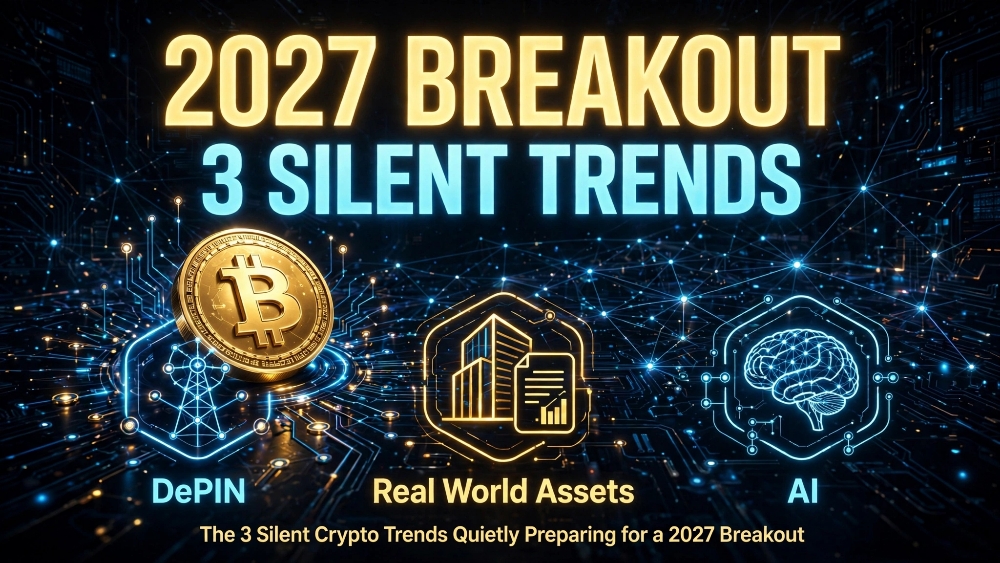
Layer-2 scaling networks
Institutional crypto adoption
Blockchain gaming
Tokenized real-world assets
Integration with AI technologies
As the technology matures, usability and regulation will likely improve, making adoption more seamless.
Final Thoughts
Web3, crypto, and blockchain represent more than just financial speculation. They introduce a new framework for digital interaction — one based on decentralization, transparency, and user empowerment.
Whether you are an investor, developer, entrepreneur, or simply curious, understanding these concepts is becoming increasingly important in the digital age.
The shift from centralized platforms to decentralized networks could redefine how we store value, exchange assets, build communities, and even govern organizations.
The key is education. Learn the fundamentals. Understand the risks. Stay updated. And approach the space with both curiosity and caution.
Web3 is not just a trend — it is a technological movement shaping the future of the internet.