A Father Arrives Late: Love, Distance, and the Birth He Missed.

Introduction:
There is a special kind of joy that comes with becoming a father. It is the joy of knowing that somewhere in the world, a tiny life now carries your blood, your name, and perhaps even your smile. Yet when that child is born in the father’s absence, joy arrives hand in hand with longing. Celebration becomes mixed with ache. Laughter sits beside silence. The heart rejoices, but it also waits.
For many fathers separated by migration, work, study, or circumstance, the birth of a child is experienced through screens and sound. A trembling phone call. A late-night message. A video call where the camera shakes slightly as relatives gather around the newborn. Technology has become a bridge over emotional oceans. It allows a father to hear the first cry, see the wrapped child, and whisper prayers through pixels. It helps him say, “I am here,” even when he is not.
But technology, no matter how advanced, can never fully replace presence. A screen cannot carry the scent of a newborn. A speaker cannot reproduce the warmth of skin-to-skin contact. A father cannot hold tiny fingers through a phone. He cannot pace the hospital corridor, carry the baby home, or watch the mother rest after labour. Distance softens nothing; it merely digitizes it.
And then comes a quiet question many absent fathers ask themselves: Does the baby know I am missing? Perhaps not in words, but children often sense voices, rhythms, and affection. Maybe the child hears the familiar tone through calls and stores it somewhere in memory. Maybe love travels in ways science cannot fully explain.
The Mother Who Held the Sky
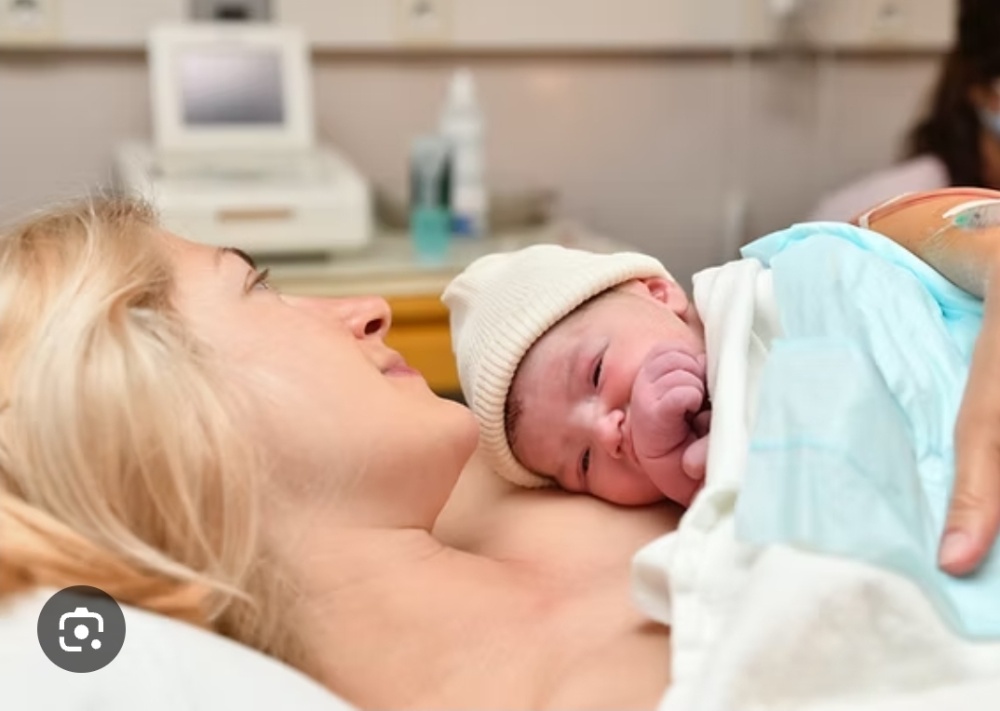
If the absent father carries longing, the mother carries the heavier burden. She is the one who endures the changing body, the sleepless nights, the hospital visits, the labour pains, and the emotional weight of carrying life while carrying loneliness. She becomes both softness and steel. She comforts herself so she can comfort the child.
Mothers in such moments deserve more than praise; they deserve honour. They become evidence that strength can be gentle and courage can wear tenderness.
The Village Still Lives
No mother truly survives alone. Behind many childbirth stories stand grandmothers, sisters, brothers, aunties, neighbours, and friends. They cook meals, run errands, offer prayers, hold hands, and keep hope alive. This is the true African communal spirit—the understanding that one person’s child belongs to the community’s joy.
Africa has long taught that family is not limited to blood or walls. It is a network of shoulders available when one person grows tired.
When Father Finally Comes
And when the father finally arrives, he may meet a child who stares curiously at him. But love has patience. The missed birth does not erase fatherhood. Presence delayed is not presence denied. In time, the child will know the man who waited with joy, loved through distance, and arrived carrying months of stored affection.
References
Ainsworth, M. D. S. (1979). Infant–mother attachment. American Psychologist, 34(10), 932–937. https://doi.org/10.1037/0003-066X.34.10.932�
Mbiti, J. S. (1990). African religions and philosophy (2nd ed.). Heinemann.
World Health Organization. (2022). Recommendations on maternal and newborn care for a positive postnatal experience. World Health Organization.