What The Tech?! Canning

Canned food would help humans explore and conquer the globe.
It seemed to be a rough old life before the evolution of the Industrial Age and the beginnings of modern technology. Water was dirty, sanitation was poor, and while food preservation techniques existed, they were rudimentary in nature. This meant that winters were a rough period, with the obligatory “hungry patch” that occurred before the shift of the seasons and the new crops would take hold.
It was worse if you were in the military, though. While military life had its own form of rations, deployed troops would leave with meagre supplies that would have a dramatic effect on the overall welfare of the troops. Indeed, it would be the evolution of modern food and water processing, along with advancements in medical care, that would increase the wellness of deployed troops and bring cases of dysentery and other illnesses back under control.
Clearly, new forms of food preservation were sorely needed, and like many modern innovations, it would be the military that would help to spearhead the campaign.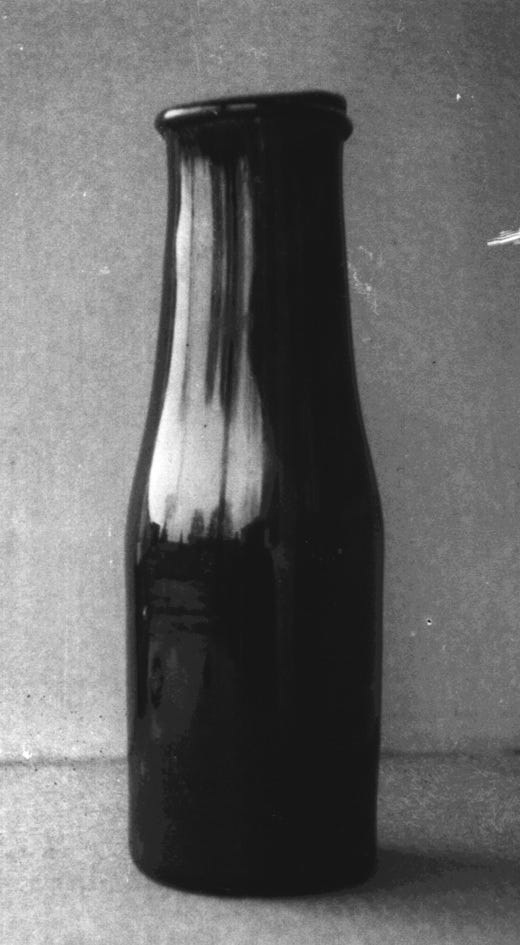
The Early Days
It would be France’s Napoleonic-era military that would lead the charge, with confectioner Nicholas Appert providing the first breakthrough in 1809.
After Napoleon put forward a reward of 12,000 francs for anyone who was able to provide the techniques that would be needed to provide shelf-stable military rations, Appert would pack glass jars with foodstuffs before sealing them with wax and cork. Then, he would heat-treat the jars in boiling water to kill any bacteria remaining from the packing process.
This would lead to shelf-stable foods that would make perfect military rations for deployed soldiers. It’s worth pointing out, though, that due to the scientific methods in use at the time, Appert was unable to identify why the process worked. However, knowing that it did would still make it suitable for military use.
The following year, Appert would publish his process in a journal called “L’Art de Conserver les Substances Animales et Végétales”, explaining the process in detail and nominating the use of glass jars as the material for the process.
British Merchant Peter Durand would take this research one step further by promoting the use of tin cans instead of jars, theorising that it would reduce waste and damage during the transportation process. With the process being approved by then King George III, the transition from early bottling to true canning would be complete.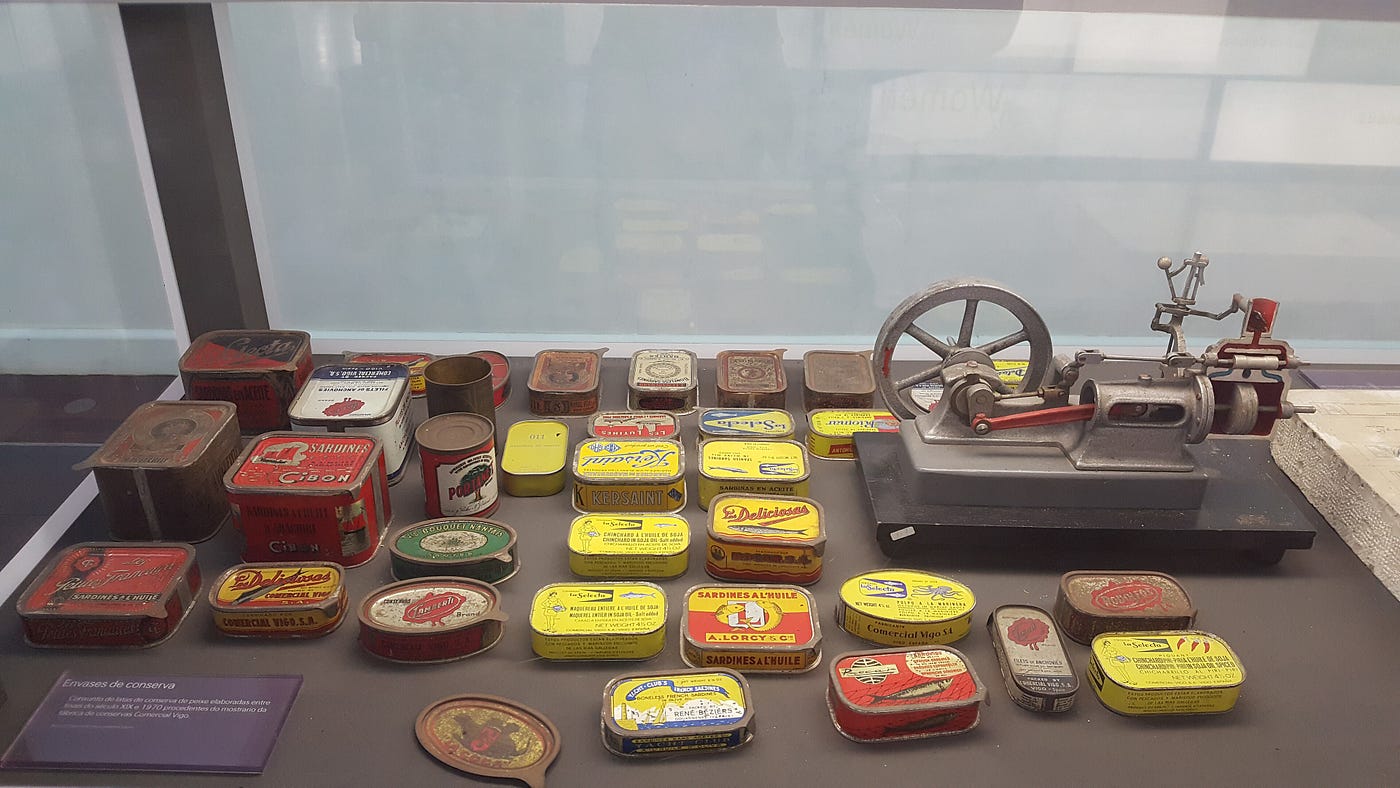
Use By Explorers
The mid to late 1800’s would be dominated by the development of the process as countries worldwide would turn to canning to preserve foodstuffs and help export food products to the globe, in turn reducing perishable foodstuffs and overall waste.
However, despite the success of the process, we were still a way from industrialisation at this point. The can opener wouldn’t be invented for some time yet (1858), and early canning materials still posed the occasional risk to whoever consumed them.
While canned food had seen extensive use on early Antarctic expeditions, it would be the Franklin Expedition in 1845 that would become particularly infamous for its usage of canned food. After acquiring more than 8,000 tins of canned food products in preparation for the expedition, quality control issues during production meant that many of these cans were of poor quality and contained contaminated products.
When the entire expedition would be lost with no explanation, an investigation would reveal that the cans used for the provision contained high levels of lead in the solder joints that sealed the cans, leading to high levels of lead exposure by anyone who was unlucky enough to eat the products.
It would take true industrialisation processes being developed in the late 1800s to ensure that the processes and materials were safe and posed no risk when consumed by humans.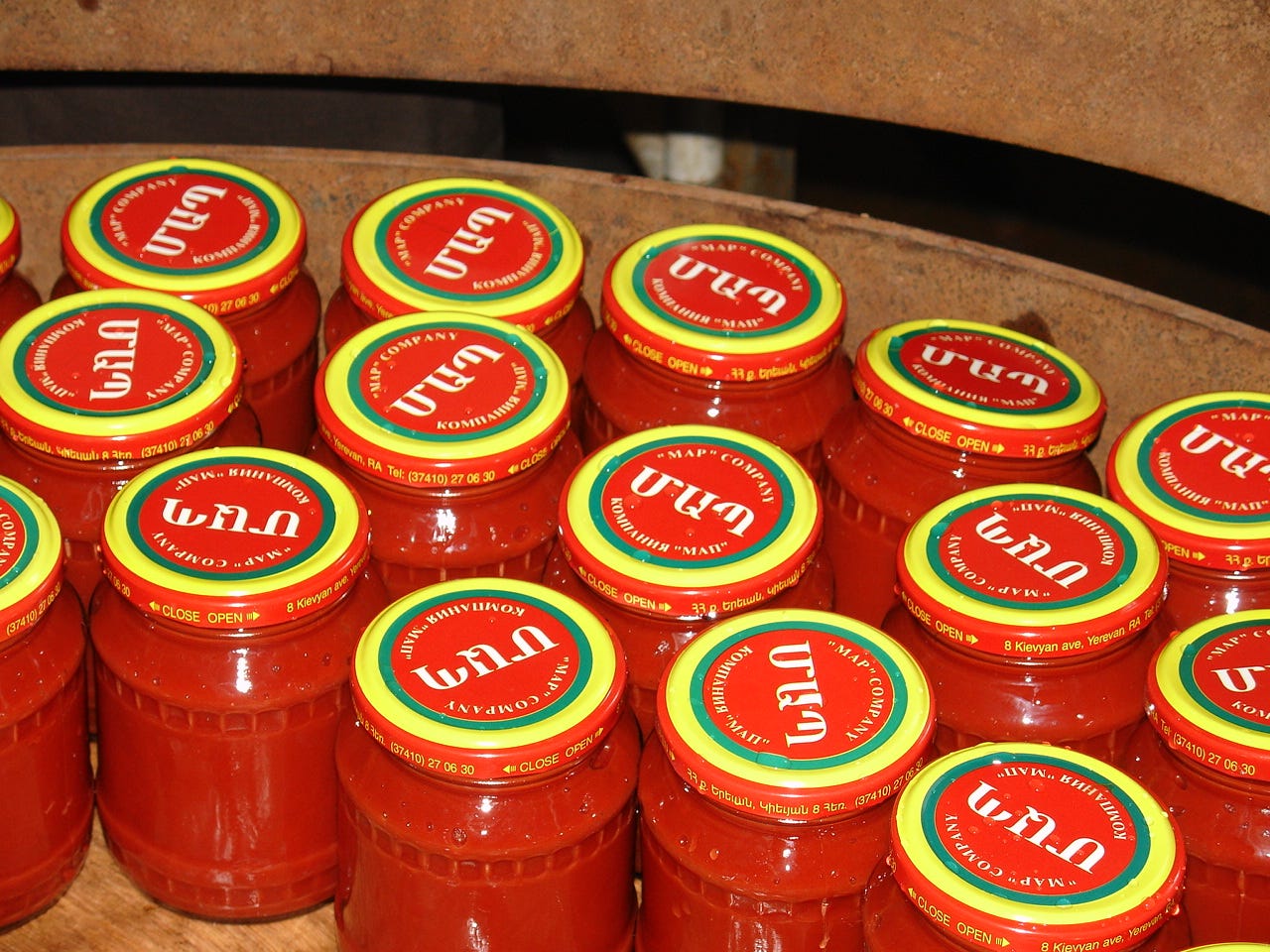
Modern Evolution
As the 1900s approached, canning would impact nearly every part of the food sector, with cans becoming higher quality. Refinements to the actual canning process also meant that food quality at the end of the process had improved.
It would be around the same timeframe that scientists were also able to identify bacteria in the process that posed a risk to humans, and more importantly, how to safely combat said bacteria.
The scientific discovery of the botulism bacteria would help scientists to better understand the benefits of the process and why it worked so well. This would lead to the development of the pressure canning process, a process which could be applied at the speeds and scale needed for true industrialisation.
The 1950s would also see the introduction of the Ball Jar thanks to the American Ball brothers. Their newly designed jar came with equipment that aimed to mainstream the canning process by making it available to private households.
This would be a huge success, and for the first time, families now had the means to properly process and store their foodstuffs to help make overwintering easy and bring the family's food costs down.
As the 1960s arrived, aluminium would be the new game in town as aluminium containers for both foods and liquids would end up hitting the mainstream. Lighter, cheaper to buy and better quality than the original tin products, aluminium cans revolutionised the sector by significantly dropping the cost of production for canned goods.
With all the pieces now properly in place, canning and canned goods were firmly established in the public eye as a legitimate means of food storage.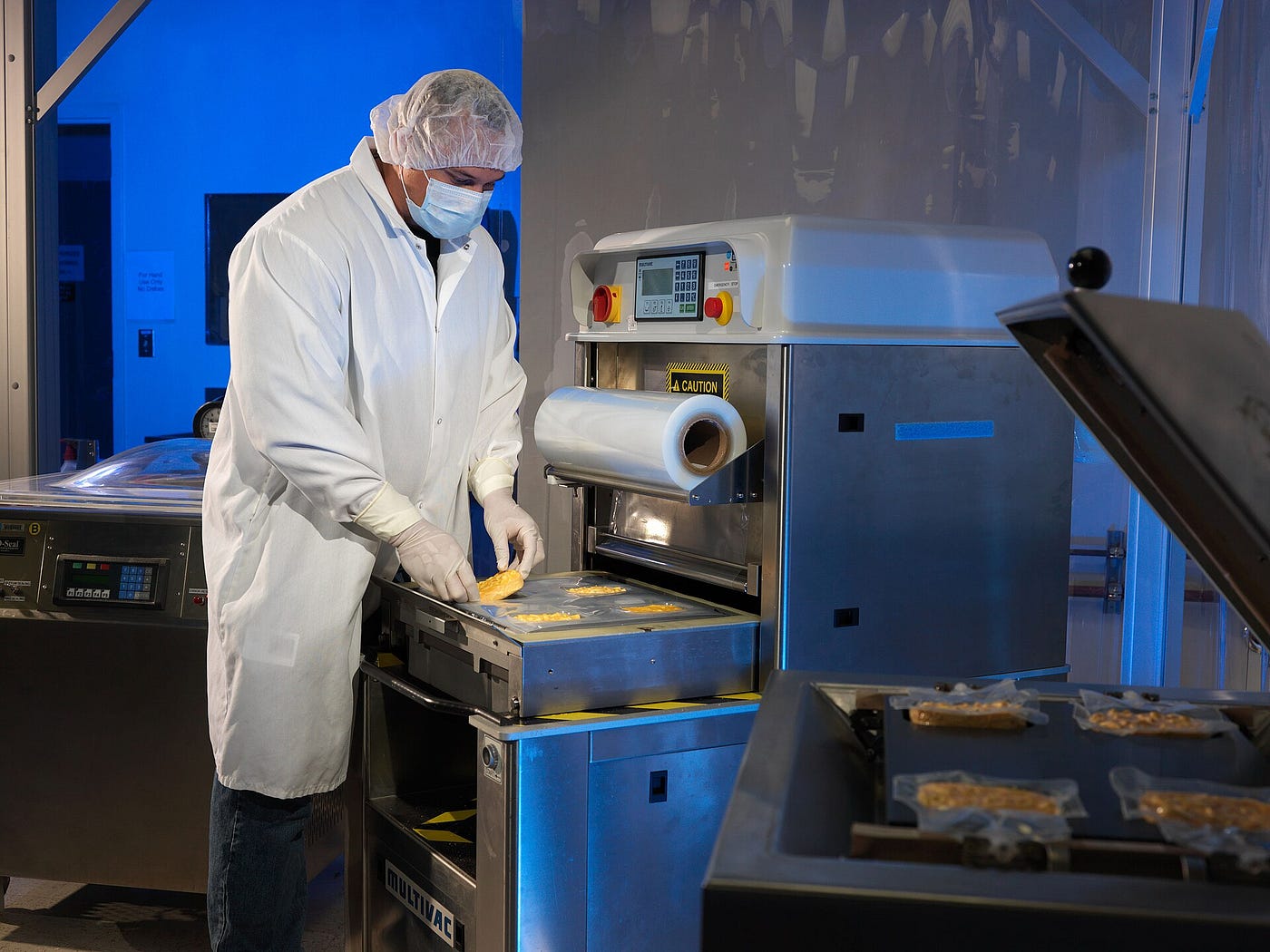
The Future
Refrigeration has changed our needs for canned food, and over the years, the trend has moved away from consuming canned products as well. Despite this, canning will continue to remain a key method for food preservation in the years to come.
It might also surprise you to learn that modern technology still has something to offer to the industrial canning process as well.
Recent research has focused on newer, lighter and in some instances, biodegradable canning products, while a new emphasis has been placed on the nutritional value of canned food. This means that low-sodium and low-sugar products should become more prevalent in the future, giving us real nutritional benefits.
The integration of “smart” cans also promises to make it easier to track the end product while providing additional enhancements with regard to safety and recall ability, making it easier to take products of the shelves when there is a problem.
Despite this, canning isn't without its challenges. The fluctuating cost of materials in the post-COVID era provides real challenges, while overall, better recycling methods are needed to ensure that waste cans are able to be reclaimed and remanufactured.
At the end of it all, though, it’s clear that the humble can and has done a lot to help humanity.
Investigator515 explores the RF spectrum, cybersecurity, and the hidden tech behind modern espionage.
Follow for new content weekly
Bluesky • X • Substack
You might also like,
- Your First SIGINT Toolkit For Under $100.00
- Hidden Trackers: 5 Ways Your Tech Betrays You
- The Night Stealth Fell: The Story Of Vega-31