Two Superpowers -Two Directions

Why the US and China Chose Completely Different Crypto Strategies
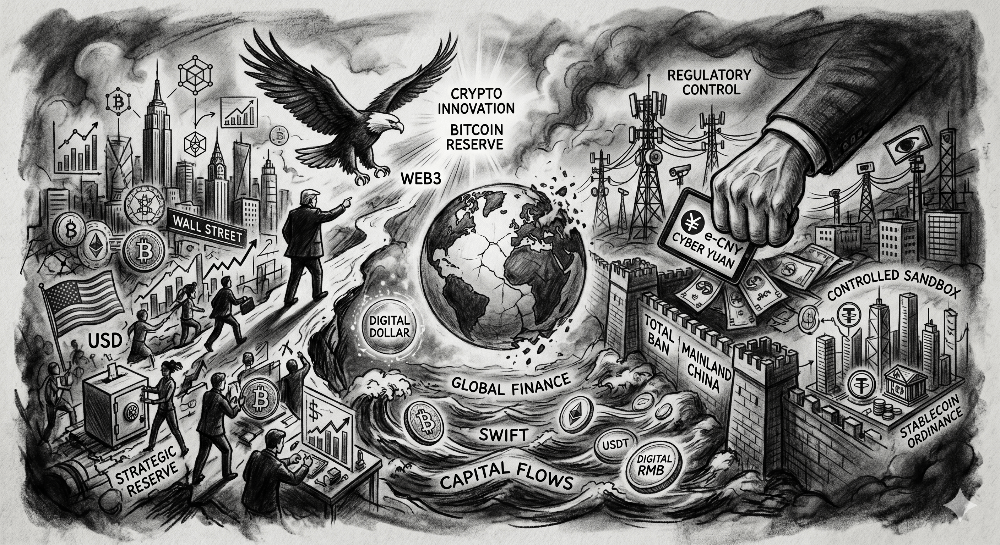
How did these two superpowers come to evaluate the risks and benefits of this technology so differently? And what does this mean for the future of global finance?
What Exactly Are Cryptocurrencies and Stablecoins?
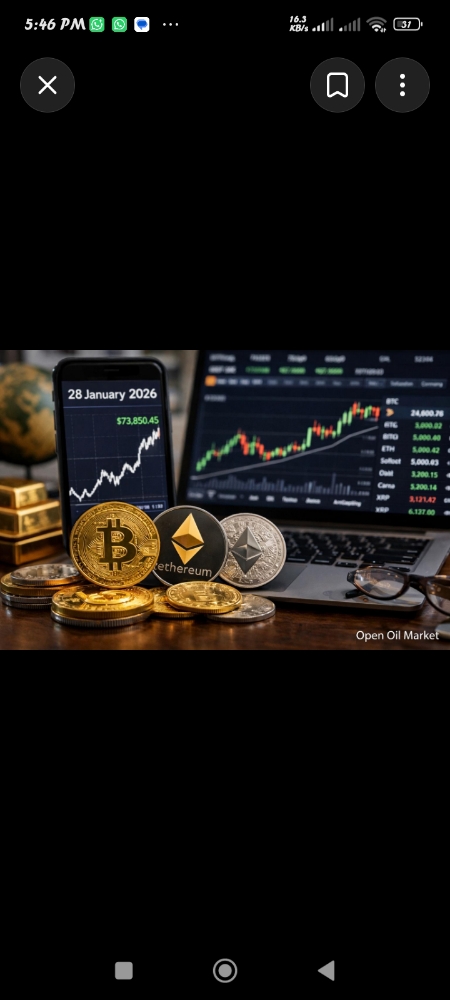
To understand this rivalry, it is first necessary to clarify the basic concepts. A cryptocurrency is a form of digital money that exists solely online and is not subject to the control of any government or central bank. It operates on blockchain technology—a public, distributed ledger that makes it impossible to forge transactions. This allows capital to be transferred worldwide in real time.ous cryptocurrency is Bitcoin (created at the turn of 2008 and 2009); however, its huge disadvantage remains its high price volatility—it can change in value by over 40% in just a few months. Stablecoins emerged as an answer to this problem. These are cryptocurrencies whose value is permanently pegged to a traditional currency, most often the US dollar (e.g., USDT, USDC). Stablecoins combine the speed of blockchain with the stability of traditional money, enabling instant and nearly free international transactions, which take several days and incur high fees in the traditional SWIFT system.
The US Path: Trump’s Official Strategy and Dollar Dominance
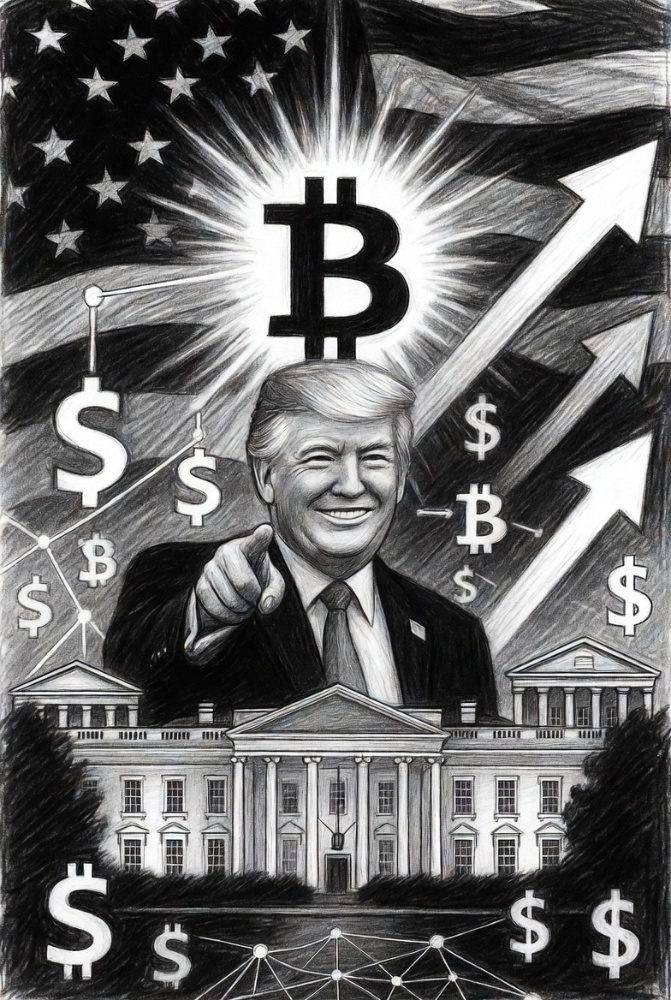
A key milestone was President Trump signing the executive order titled "Strengthening American Leadership in Digital Financial Technology." This document officially elevated cryptocurrencies from a market niche to a national priority, establishing a special task force to explore, among other things, the possibility of creating an American national strategic Bitcoin reserve. Crucially, the Trump administration repealed restrictive accounting regulations (such as SAB 121), clearing the way for traditional commercial banks to safely custody cryptocurrencies for their clients. Subsequent legislation, like the GENIUS Act, integrated fintech innovations directly into the US regulatory framework.
The US wants to capitalize on the fact that most blockchain innovation was born there, securing its position as a leader in new technologies alongside Artificial Intelligence. Experts point to a crucial geopolitical aspect: cryptocurrencies have de facto become dollar-denominated assets. Bitcoin and Ethereum prices are quoted in dollars, and the world’s largest stablecoins are backed by the US currency. By supporting crypto, the US strengthens the global dominance of the dollar in the digital realm, while simultaneously blocking ideas for a state-run central bank digital dollar (CBDC) in favor of private solutions.
Domestic politics also played a significant role. Although crypto advocates in the US constitute a niche group, they are highly engaged and determined voters whom Trump’s campaign successfully won over with promises of market freedom.
The China Path: Full Control, the Digital Yuan, and Billions from Confiscations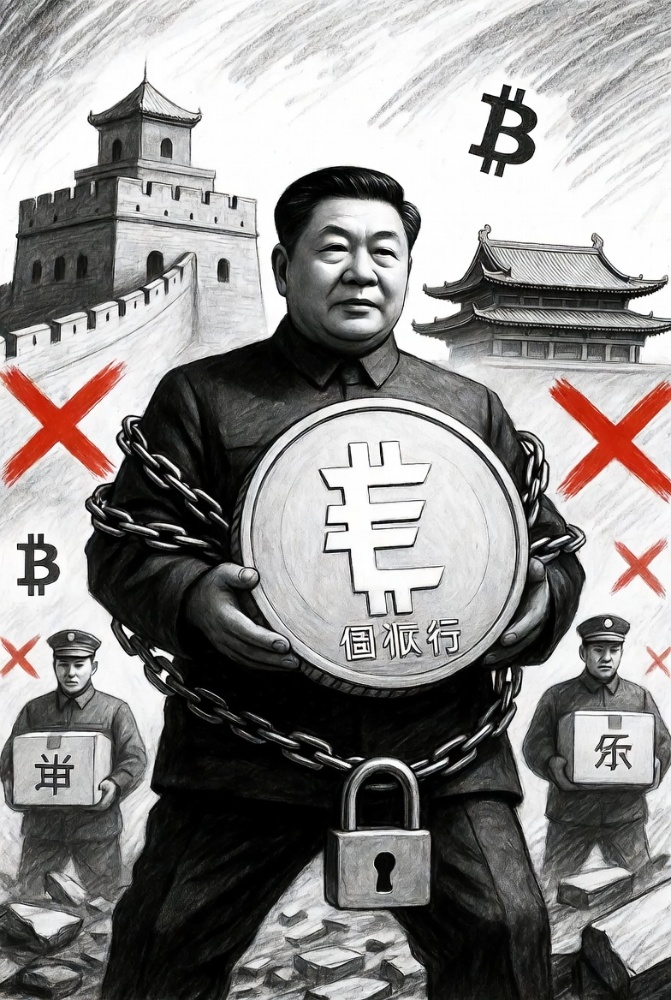
The reason for this decision is simple: the decentralized nature of cryptocurrencies stands in fundamental opposition to Chinese monetary policy, which relies on strict capital controls and exchange rate management.
However, it is worth noting that China did not ban blockchain technology itself. On the contrary, the state created its own central bank digital currency (CBDC), known as the digital RMB or digital yuan. It is fully controlled and backed by the state. Interestingly, analysts point out a paradox: despite the official ban for citizens, the Chinese government has become one of the largest holders of cryptocurrency in the world. This happened due to massive asset confiscations from illegal activities—a prime example being the Chinese treasury's seizure of billions of dollars in Bitcoin and Ethereum following the takedown of the massive PlusToken Ponzi scheme.
Hong Kong as a Controlled "Sandbox"
China applies a unique two-track policy. While an absolute ban remains in place on the mainland, Hong Kong—which possesses a separate jurisdiction—is actively building its position as a global Web3 and cryptocurrency hub.
Experts see an analogy here to the historical development of the Chinese stock market: Beijing treats Hong Kong as a safe "sandbox" for testing financial innovations before deciding whether to deploy them to the mass market. A breakthrough in this approach was the implementation of the strict Stablecoin Ordinance regulations, which regulated the market for tokens pegged to traditional currencies. Well-established, traditional financial institutions, including Standard Chartered and banking giant HSBC, began obtaining licenses to issue them in Hong Kong.
However, rating agencies like S&P Global Ratings emphasize that this opening is highly conservative. The legal framework is tailored so that the dynamic development of asset tokenization (pursued under initiatives like the government-backed Project Ensemble) brings modern financial tools to Asia, while preventing speculative crypto risks from "spilling over" into mainland China's stable and controlled economy.
Who is Winning the Race?

At the moment, however, the United States has clearly broken away from the rest of the world, outpacing both Europe and Asia. The largest volumes of free capital flow through the American market. Furthermore, when purchasing Chinese export goods like home appliances or BYD electric cars, global emerging markets (such as those in South America) are increasingly settling transactions not in yuan, but in US dollar-pegged stablecoins (USDT).
Risk Appetite and Consumer Protection
Differences in approach are also visible in investor psychology. In some Asian countries (such as South Korea), the appetite for risk is enormous; investors trade "meme coins" (cryptocurrencies based on internet jokes that lack fundamental financial value) en masse. They are simply looking for the volatility and quick returns that their stable but slow-moving domestic market—dominated by powerful chaebols like Samsung or LG—cannot guarantee.
For this reason, Asian regulators place a massive emphasis on consumer protection, trying to save citizens from losing their life savings. The lesson from the collapse of the giant exchange FTX (caused by internal fraud) triggered a domino effect in global finance. It showed regulators worldwide just how deeply the cryptocurrency market has become intertwined with the traditional banking system, and how vital it is to manage this risk wisely.
The Future of Crypto: The End of a Revolution or Just the Beginning?
Today, the initial speculative frenzy surrounding cryptocurrencies has cooled down somewhat. Global market attention has largely shifted toward Artificial Intelligence (AI) technology companies like OpenAI or SpaceX, which drain venture capital from the market as they go public.
Despite this, industry experts view the future with optimism. They argue that cryptocurrencies are entering a phase of maturity and adoption by the largest traditional financial institutions. Invoking an apt historical analogy: in the development of blockchain technology, we are currently where the early Netscape or Internet Explorer browsers were in the history of the internet—the days of Google Chrome and a true utility revolution are still ahead of us.
Resources:
https://www.reedsmith.com/articles/trump-signs-executive-order-digital-assets-american-financial-technology/
https://www.winston.com/en/blogs-and-podcasts/non-fungible-insights-blockchain-decrypted/president-trumps-sweeping-executive-order-on-digital-assets-and-the-repeal-of-sab-121
https://www.whitehouse.gov/fact-sheets/2026/05/fact-sheet-president-donald-j-trump-integrates-financial-technology-innovation-into-regulatory-frameworks/
https://info.arkm.com/research/crypto-in-china-a-2025-guide-to-the-crypto-landscape
https://www.spglobal.com/ratings/en/regulatory/article/digital-assets-brief-hong-kong-makes-a-conservative-start-to-stablecoin-issuance-s101675075
https://www.youtube.com/watch?v=ZYtf_Razouw&list=PL9kFGLVJiMMYmnLmC-yhXXD6859kHtrZy&index=165