ICO Marketing for Web3 Startups: A Step-by-Step Growth Framework

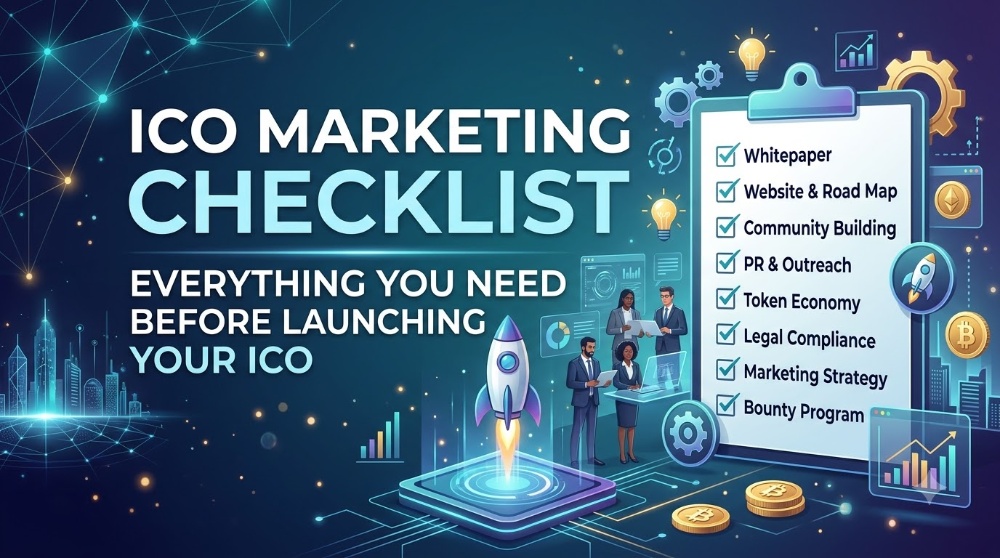
Launching an Initial Coin Offering (ICO) is no longer just about introducing a token to the market. The blockchain industry has matured, investor expectations have evolved, and competition has increased significantly across every Web3 sector. Modern token launches require strategic planning, transparent communication, community engagement, and continuous optimization to gain visibility and investor confidence. Even projects with innovative technology can struggle to achieve fundraising goals if they fail to create awareness before launch or maintain momentum afterward. A structured ICO marketing framework enables startups to move from idea validation to community building, investor outreach, token adoption, and long-term ecosystem growth. Instead of relying on isolated campaigns, successful projects coordinate branding, content, social engagement, partnerships, public relations, and analytics into a unified strategy that supports every stage of the ICO journey.
Establish a Strong Project Identity Before Marketing
Marketing cannot compensate for an unclear project vision. Before promoting an ICO, startups should establish a compelling identity that communicates the project's purpose, technology, market relevance, and long-term vision. Investors evaluate numerous blockchain projects every day, making differentiation essential. Every communication channel should consistently reinforce the project's value proposition while maintaining transparency and credibility. A professional visual identity, clear messaging, and a well-defined roadmap provide confidence to early supporters and create consistency across marketing materials. Founders should ensure the website, documentation, token utility, and branding all reflect the same strategic narrative. When potential investors understand the problem being solved and the value offered, they are more likely to engage with the project, participate in discussions, and become long-term advocates. A strong identity also makes future marketing campaigns more effective because every campaign builds upon a recognizable brand rather than starting from scratch.
Key priorities include:
- Create a memorable brand identity and visual design.
- Clearly explain the project's mission and utility.
- Publish a transparent roadmap with achievable milestones.
- Maintain consistent messaging across every platform.
Build a Professional Digital Foundation
Every ICO campaign directs traffic toward digital assets, making the project's online presence one of its most valuable marketing resources. A professional website should clearly explain the blockchain solution, token economics, development roadmap, team information, FAQs, and community channels. Visitors should quickly understand the project's purpose without navigating multiple pages. Alongside the website, supporting materials such as a whitepaper, litepaper, pitch deck, and token documentation should be easy to access and professionally presented. Fast loading speeds, responsive design, strong security practices, and intuitive navigation improve user experience while increasing credibility. Social media profiles, newsletters, and community platforms should also reflect the same branding and messaging to create a seamless experience for users moving between channels. Strong digital infrastructure provides the foundation for every future marketing activity, from paid campaigns to community engagement and investor outreach.
Essential elements include:
- Develop a secure and responsive official website.
- Publish a comprehensive whitepaper and litepaper.
- Optimize navigation for investors and community members.
- Maintain consistent branding across all digital platforms.
Identify the Right Target Audience
Effective ICO marketing focuses on reaching audiences that are genuinely interested in the project's value rather than attracting large volumes of untargeted traffic. Startups should identify their ideal audience by considering industry focus, investment interests, geographic regions, blockchain experience, and preferred communication channels. Different investor groups respond to different messaging. Retail investors may prioritize token utility and community engagement, while institutional participants often examine technical documentation, governance, scalability, and compliance considerations. Audience segmentation enables personalized campaigns that address the concerns and expectations of each group. Understanding audience behavior also helps determine which content formats, platforms, and marketing channels will produce the highest engagement. Rather than broadcasting identical messages everywhere, startups should tailor campaigns that resonate with specific communities and encourage meaningful participation.
Audience research should include:
- Define primary investor personas.
- Analyze competitor communities and engagement patterns.
- Identify preferred social platforms for each audience.
- Create messaging tailored to different investor segments.
Create Educational Content That Builds Trust
Educational content remains one of the most effective ways to establish authority and reduce uncertainty among potential investors. Many participants evaluate blockchain projects by reviewing articles, explainer guides, technical blogs, videos, webinars, and market insights before making investment decisions. Instead of focusing exclusively on promotional announcements, startups should develop informative resources that explain blockchain concepts, token utility, ecosystem benefits, governance mechanisms, and practical use cases. Consistent publishing demonstrates expertise while improving search visibility and encouraging community engagement. Educational content also creates opportunities for discussion across social media platforms, forums, newsletters, and industry communities. By addressing common questions and providing valuable insights, startups position themselves as reliable contributors to the Web3 ecosystem rather than projects seeking short-term attention.
Educational content should include:
- Publish blogs explaining project technology and utility.
- Share industry insights and market analysis.
- Produce explainer videos and educational infographics.
- Answer frequently asked investor questions through content.
Build and Nurture an Engaged Community
A successful ICO is supported by an active community that participates in discussions, shares updates, and contributes to the project's visibility. Community building should begin well before the token sale so that trust and engagement develop naturally over time. Rather than focusing only on growing member numbers, startups should encourage meaningful conversations through regular updates, interactive sessions, educational discussions, and feedback opportunities. Community managers play a crucial role in maintaining positive interactions, answering questions promptly, and ensuring transparency. Rewarding active contributors through recognition programs, ambassador initiatives, and exclusive community events can further strengthen participation. A vibrant community often becomes one of the strongest marketing assets because satisfied members voluntarily promote the project to their own networks.
Community growth activities include:
- Organize AMA sessions and interactive discussions.
- Encourage user-generated content and community participation.
- Recognize active members through ambassador initiatives.
- Provide regular updates to maintain transparency.
Develop a Strategic Social Media Marketing Plan
Social media platforms provide Web3 startups with direct access to investors, developers, partners, and blockchain enthusiasts. Instead of posting irregular promotional content, startups should follow a structured content calendar that balances education, project updates, ecosystem news, milestone announcements, and community engagement. Each platform serves a different purpose, making it important to adapt content formats accordingly. Short updates, visual content, educational threads, videos, polls, and live sessions help maintain audience interest while expanding organic reach. Consistent engagement also strengthens relationships with followers and encourages discussions that improve visibility through platform algorithms. Monitoring audience responses enables startups to refine messaging and identify the types of content that generate the highest engagement.
A social media strategy should focus on:
- Maintain a consistent publishing schedule.
- Share educational, technical, and community-focused content.
- Encourage discussions through polls and interactive posts.
- Track engagement metrics to improve future campaigns.
Strengthen Visibility Through Public Relations and Media Outreach
Media coverage can significantly expand awareness for an ICO by introducing the project to wider blockchain audiences. Press releases, interviews, founder insights, industry commentary, and feature articles help establish credibility while reaching investors who actively follow blockchain news. Instead of distributing announcements only during the token sale, startups should maintain ongoing relationships with journalists, publications, podcast hosts, and media platforms throughout the project lifecycle. Every major milestone including partnerships, product releases, fundraising progress, roadmap achievements, and ecosystem developments creates opportunities for media exposure. Consistent public relations efforts help build authority and reinforce trust among potential investors evaluating multiple blockchain projects.
Public relations initiatives should include:
- Publish newsworthy project announcements.
- Secure interviews and guest articles.
- Share milestone updates with industry publications.
- Build long-term relationships with blockchain media.
Collaborate With Strategic Partners and Industry Influencers
Partnerships allow Web3 startups to reach established audiences and enhance project credibility. Collaborating with blockchain ecosystems, technology providers, developer communities, research organizations, and trusted industry influencers can introduce the project to relevant users who already understand the blockchain space. Rather than pursuing partnerships solely for visibility, startups should prioritize collaborations that provide genuine value to both communities. Joint events, educational sessions, product integrations, cross-promotional campaigns, and collaborative content create opportunities for mutual growth. Influencer collaborations are most effective when creators genuinely understand the project's vision and communicate it authentically to their audiences.
Partnership opportunities include:
- Collaborate with complementary blockchain projects.
- Participate in joint educational events.
- Engage trusted industry creators for authentic outreach.
- Build long-term ecosystem relationships instead of one-time campaigns.
Monitor Performance and Continuously Optimize Campaigns
ICO marketing should evolve based on measurable performance rather than assumptions. Analytics help startups understand which campaigns generate website traffic, investor interest, community growth, and token sale participation. Tracking key performance indicators across every marketing channel allows teams to identify successful strategies while eliminating ineffective efforts. Regular analysis also supports better budget allocation and more informed decision-making. By testing different content formats, messaging styles, campaign timings, and engagement strategies, startups can steadily improve marketing efficiency throughout the ICO lifecycle. Data-driven optimization ensures resources are invested where they produce the greatest impact.
Key metrics to monitor include:
- Website traffic and visitor behavior.
- Community growth and engagement rates.
- Content performance across marketing channels.
- Conversion rates throughout the investor journey.
Conclusion
ICO marketing has become a comprehensive growth process that extends far beyond promoting a token sale. Success depends on creating a recognizable brand, establishing a professional digital presence, understanding target audiences, publishing educational content, building an engaged community, maintaining consistent social media activity, securing media exposure, forming strategic partnerships, and continuously optimizing campaigns through data-driven insights. When these elements work together within a structured framework, Web3 startups are better positioned to attract attention, earn investor confidence, and achieve sustainable ecosystem growth. Organizations such as Blockchain App Factory often emphasize that long-term ICO success is driven by consistent execution, transparency, and community-first strategies rather than short-term promotional efforts alone.