Something Big Is Quietly Happening With AI Browsers

What if your browser stopped showing you the internet… and started working for you?
For decades browsers have been passive tools.
We open tabs.
Search for information.
Scroll through pages.
Copy useful insights.
Then repeat the process again tomorrow.
But something interesting may be starting to happen.
A new generation of AI-powered browsers is quietly emerging.
One of the concepts gaining attention is called the Sigma AI Browser.
And if this idea evolves the way many technologists believe it could, the way we interact with the internet might change dramatically.
Because the real breakthrough may not be faster browsing.
The real breakthrough could be automated browsing.
BROWSERS HAVEN'T EVOLVED MUCH
Take a moment and think about how we actually use the internet.
The workflow hasn't changed much in decades.
Search for something.
Open several tabs.
Read through articles.
Collect information.
Move to another site.
Repeat.
Whether you're researching Web3, learning a skill, or analyzing markets, the process is still mostly manual.
Browsers show us information.
But they don’t understand what we’re trying to achieve.
And that’s the limitation.
Because once software understands your goal, something powerful happens.
The internet stops being a maze of websites.
It becomes a system that can complete tasks.
WHAT IS THE SIGMA AI BROWSER?

Sigma AI Browser is built around a simple but powerful concept.
Turn the browser into an intelligent assistant.
Instead of opening dozens of tabs and manually researching information, you simply give the browser instructions.
For example:
Find the most promising Web3 projects launching this week.
Or:
Compare the top AI tools released recently.
The AI browser would then navigate websites, gather data, and present structured insights.
Think of it like this.
Instead of browsing the internet yourself, you are assigning missions to an AI agent.
The browser becomes less like a window…
and more like an operator.
HOW AI BROWSERS COULD AUTOMATE INTERNET TASKS
If AI browsers evolve the way Sigma suggests, they could automate a surprising number of online activities.
Research Automation
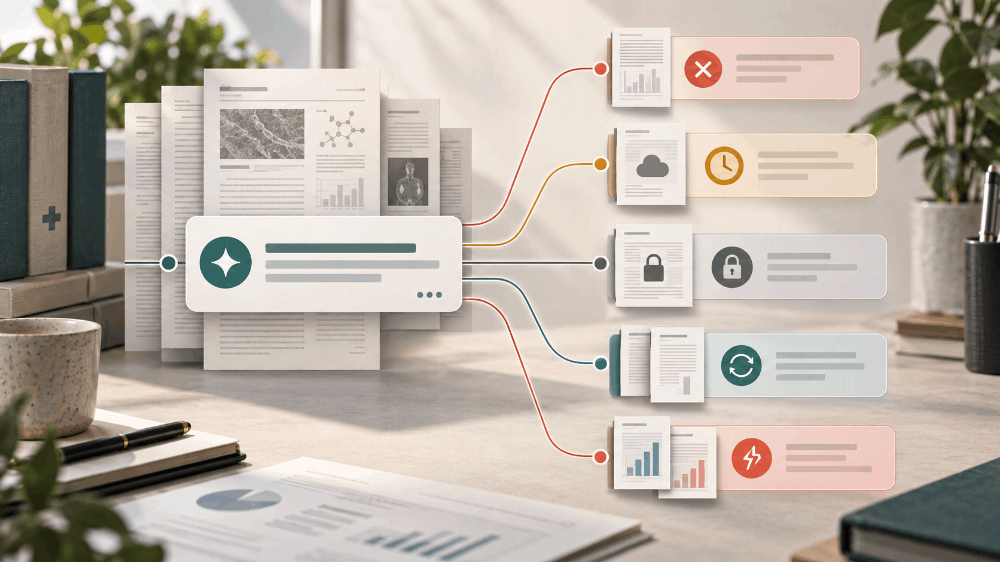
Instead of reading ten different articles yourself, the AI could analyze multiple sources and summarize key insights.
This alone could save hours every week.
But research automation is just the beginning.
Web Task Execution
AI browsers could interact with websites the same way humans do.
Examples might include:
collecting data from different sites
comparing products or services
navigating complex dashboards
monitoring updates across platforms
Suddenly the internet becomes programmable.
Knowledge Organization
Every research session could automatically become part of a structured knowledge system.
Articles summarized.
Insights stored.
Patterns identified.
Over time your browser could become a personalized intelligence engine.
And that changes the relationship between humans and information.
Because knowledge stops being something you search for.
It becomes something your tools continuously gather.
WHY WEB3 USERS SHOULD PAY ATTENTION
Web3 ecosystems move extremely fast.
New projects appear every week.
Discussions happen across multiple platforms.
And valuable insights are often scattered across different sources.
This environment rewards people who can process information quickly.
AI browsers could become powerful tools for this.
Imagine being able to automatically:
track emerging crypto projects
monitor airdrop opportunities
summarize long research threads
analyze trends across different communities
Instead of manually scanning the internet, the AI does the heavy lifting.
In fast-moving ecosystems, speed of understanding often becomes a competitive advantage.
And sometimes the difference between discovering something early…
or hearing about it after everyone else already knows.
THE BIGGER SHIFT: AI AGENTS ON THE INTERNET
Sigma AI Browser hints at something larger than just a new browser.
It suggests a shift in how humans interact with the internet itself.
Search engines helped us find information.
AI assistants help us understand information.
AI agents may soon help us act on information.
If that evolution continues, the internet becomes less about navigation.
And more about delegation.
Instead of moving through websites manually, we may increasingly assign tasks to intelligent systems.
In other words, browsing might eventually become background automation.
And the internet becomes something that works quietly on your behalf.
HOW YOU CAN START EXPLORING AI BROWSERS
Even though this technology is still emerging, there are simple ways to start exploring the concept today.
- Follow emerging AI browser projects: Keep an eye on new startups experimenting with AI-native browsers and agent-based internet tools.
- Experiment with AI-assisted workflows: Use AI tools to summarize articles, analyze websites, and extract insights from large amounts of information.
- Think in terms of automation: Instead of asking which website to visit next, start asking which task you want completed.
FINAL THOUGHTS
Every major phase of the internet has changed how humans interact with information.
Search engines transformed discovery.
Social platforms reshaped communication.
Artificial intelligence may now redefine how we use the web itself.
Browsers like Sigma AI hint at a future where the internet becomes something we delegate tasks to rather than something we manually navigate.
And history shows something interesting.
The people who explore new technologies early often understand them first.
Sometimes they even shape how those technologies evolve.
So the question may not be whether AI browsers will become powerful.
The question is whether you will already be experimenting with them when that shift begins.
Because the future of the internet might not be about browsing faster.
It might be about not browsing at all.
If AI browsers start completing tasks for us…

what part of the internet do you think changes first?