Middle East Tensions: What Could the Coming Days Bring?

The Middle East remains one of the world's most strategically important and volatile regions. Every new military movement, diplomatic visit, or political statement quickly captures global attention because the consequences extend far beyond the region. Energy markets, international trade, and global security are all closely connected to events unfolding in the Persian Gulf and surrounding countries.
One of the biggest concerns is the security of the Strait of Hormuz, a narrow waterway through which a significant portion of the world's oil exports passes every day. Any military buildup or disruption in this area immediately raises fears of supply interruptions. Even the possibility of conflict can push oil prices higher, increasing transportation costs and contributing to inflation around the world.
The United States has periodically strengthened its naval presence in the region to protect shipping routes and reassure its allies. Iran, on the other hand, views increased foreign military deployments near its coastline as a security threat. This ongoing military standoff keeps tensions high, with both sides attempting to deter each other while avoiding a full-scale war.
Israel continues to play an important role in the regional security environment. While public attention may sometimes shift elsewhere, Israeli security policies and military readiness remain closely watched by neighboring countries and international observers. Any escalation involving Israel could quickly widen a regional conflict.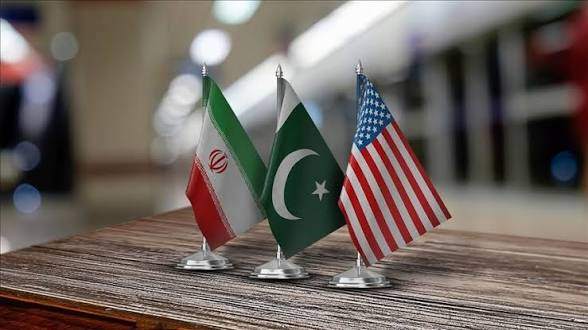
The United Nations frequently faces criticism during international crises. Many observers argue that the organization struggles to act decisively because major powers often disagree within the Security Council. While the UN continues to provide humanitarian assistance and calls for peaceful solutions, its ability to enforce ceasefires or political agreements depends largely on the willingness of member states to cooperate.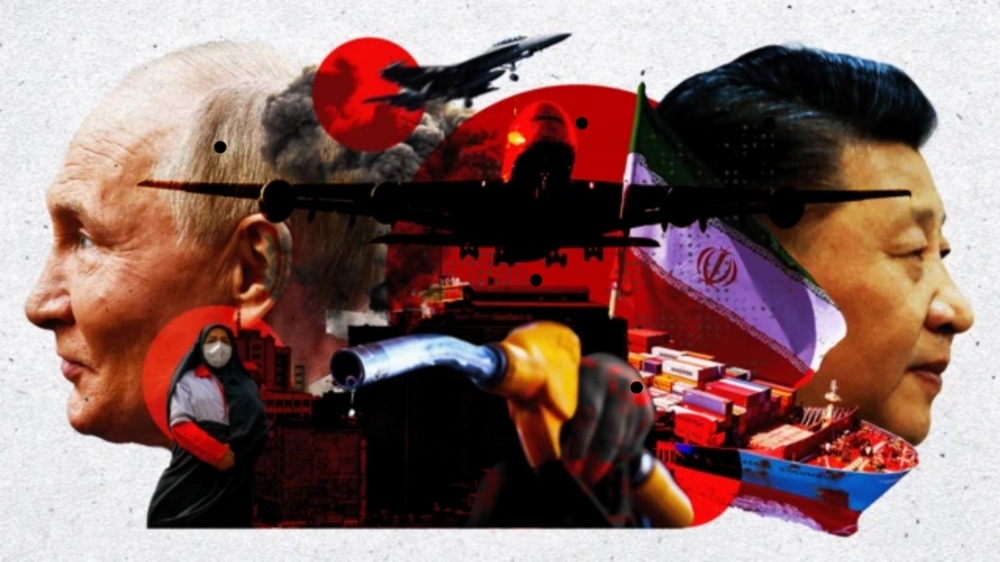
The economic impact of prolonged tensions cannot be ignored. Rising oil prices affect almost every country by increasing fuel, transportation, manufacturing, and food costs. Higher inflation places additional pressure on households and businesses worldwide. Some critics argue that certain industries or geopolitical actors may benefit financially from higher energy prices or increased defense spending. However, these claims are often debated and should be evaluated carefully, as global markets are influenced by many interconnected factors.
Looking ahead, several scenarios remain possible. The most optimistic outcome would involve renewed diplomatic engagement, confidence-building measures, and efforts to reduce military activity. A second possibility is a prolonged period of limited confrontations, where occasional military incidents continue without developing into a full-scale regional war. The most concerning scenario would be a wider conflict involving multiple countries, disrupting energy supplies and creating significant humanitarian and economic consequences.
At present, it is impossible to predict with certainty which path events will take. Military preparations, diplomatic initiatives, economic pressures, and domestic political decisions will all shape future developments. The hope shared by much of the international community is that dialogue, restraint, and diplomacy ultimately prevail over further escalation, protecting both regional stability and the global economy.
Thanks.
Cheers,
Amjad