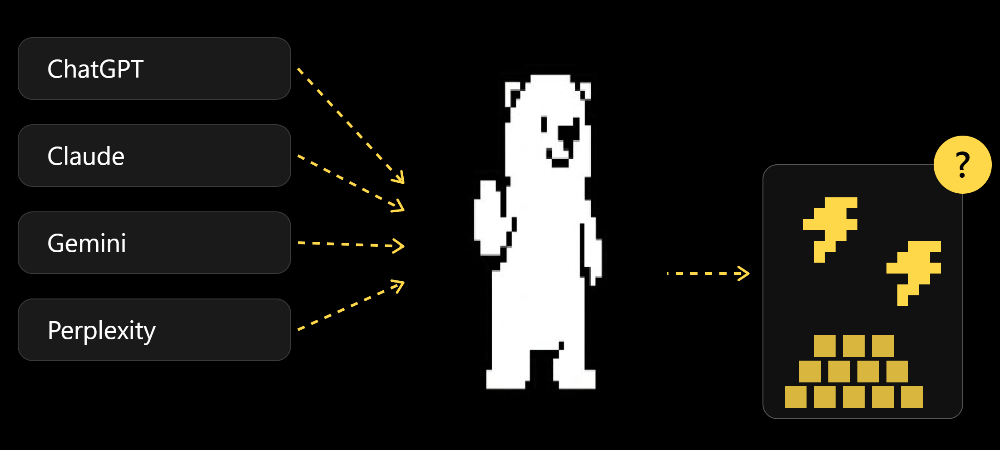
From Frustration to Understanding: Gas Fees Explained

When I first entered Web3, gas fees confused me.
Every time I tried to complete a transaction, an extra charge appeared. It felt like hidden money disappearing, and honestly, it was frustrating.
But here’s the truth.
What Are Gas Fees?
Gas fees are the fuel that keeps the blockchain running.
Think of the blockchain as a digital highway. Every time you send crypto, mint an NFT, or interact with a DeFi platform, you’re putting a car on that highway.
Cars don’t move without fuel.
In Web3, that fuel is gas.
Gas fees are simply what you pay to process your transaction.
Who Are You Paying?
You’re not paying a company.
You’re paying validators — the distributed computers around the world that confirm transactions and secure the network. They use real electricity and computing power to keep everything running.
Gas fees are their incentive.
Without gas, nothing moves.
Why Do Gas Fees Change?
Imagine a popular restaurant on a Friday night.
If only a few people are there, service is fast. But when it’s packed, some customers offer bigger tips to get served first.
Blockchains work the same way.
Each block (a batch of transactions) has limited space. When many users try to transact at once, they compete by offering higher gas fees. The higher the fee, the faster the confirmation.
That’s why gas spikes during NFT drops or market hype.
Two Key Terms You Should Know
Gas Limit
This is the maximum amount of computational work your transaction can use.
Sending crypto is simple. Interacting with a DeFi protocol is more complex. More complexity requires more gas.
Gas Price
This is how much you’re willing to pay per unit of gas.
If you want faster processing, you pay more. If you’re not in a hurry, you pay less.
Total Gas Fee = Gas Used × Gas Price
Why Some Blockchains Are Cheaper
Some networks handle more transactions at once. Less congestion means less competition. Less competition means lower fees.
Simple.
Gas fees may feel frustrating at first, but they serve an important purpose. They prevent spam, reward validators, and protect the network.
When you understand gas, you stop reacting emotionally to fees.
You start checking network activity.
You choose better times to transact.
That’s when you begin to move smarter in Web3.