RWA Tokenization: The Smart Way to Digitize and Trade Real-World Assets

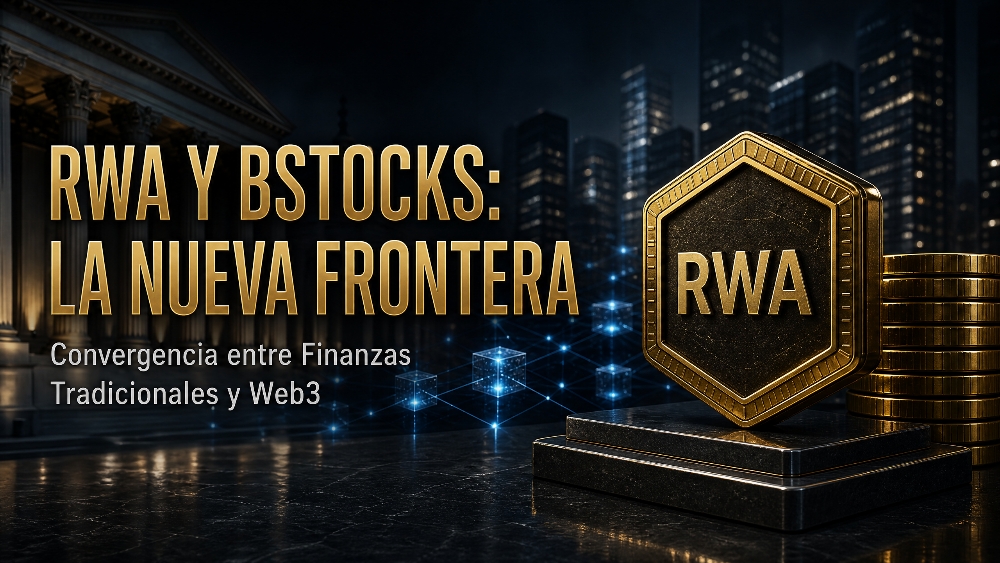
The financial landscape is evolving rapidly as digital technologies reshape how value is created, stored, and exchanged. Among the most transformative innovations is Real-World Asset (RWA) tokenization, a process that converts tangible and intangible assets into blockchain-based digital tokens. This shift is redefining traditional asset markets by introducing greater efficiency, accessibility, and transparency.
From real estate and commodities to financial instruments and intellectual property, tokenization enables assets to be fractionalized and traded in ways that were previously impractical. For enterprises, investors, and financial institutions, RWA tokenization offers a strategic pathway to unlock liquidity, expand market participation, and modernize asset management practices. As blockchain infrastructure matures, tokenization is becoming a foundational component of next-generation financial systems.
Understanding RWA Tokenization
RWA tokenization involves representing ownership rights or economic value of tangible or intangible assets as blockchain-based digital tokens. Each token corresponds to a share of the underlying asset and can carry rights such as ownership, income distribution, or governance participation.
Smart contracts automate processes like transaction execution, compliance verification, and revenue sharing, ensuring transparency and operational efficiency. By digitizing assets, tokenization transforms them into programmable financial instruments that can be easily traded, tracked, and integrated into digital ecosystems.
Why RWA Tokenization Is Gaining Global Attention
Traditional asset markets are often characterized by inefficiencies such as limited liquidity, high transaction costs, and restricted investor access. These challenges hinder capital flow and limit the ability of enterprises to fully leverage their assets.
RWA tokenization addresses these limitations by introducing a digital framework that supports:
- Fractional ownership of high-value assets
- Instant and secure transaction settlements
- Global accessibility without geographical constraints
- Transparent and verifiable ownership records
- Reduced dependency on intermediaries
These capabilities are driving widespread interest in real world asset tokenization across industries, positioning it as a key driver of financial innovation.
Core Benefits of RWA Tokenization
1. Unlocking Liquidity in Traditionally Illiquid Markets
Many real-world assets, such as real estate, infrastructure, and private equity, are inherently illiquid. Selling these assets often requires lengthy processes and significant transaction costs. Tokenization divides assets into smaller, tradable units, enabling them to be bought and sold on secondary markets. This increased liquidity allows investors to exit positions more easily and enables enterprises to access capital without selling entire assets.
2. Fractional Ownership and Inclusive Investment
Tokenization lowers the barriers to entry for investors by enabling fractional ownership. Instead of requiring substantial capital to invest in high-value assets, investors can purchase smaller shares represented by tokens. This inclusivity expands the investor base, attracting both retail and institutional participants. It also enhances market activity, contributing to greater liquidity and price discovery.
3. Global Accessibility and Market Expansion
Blockchain-based assets are not bound by geographic limitations. Investors from different parts of the world can participate in tokenized markets without the complexities of cross-border transactions. For enterprises, this global reach provides access to a larger pool of capital, reduces reliance on local funding sources, and supports diversification of investor portfolios.
4. Transparency and Trust Through Blockchain
One of the defining features of blockchain technology is its transparency. Every transaction and ownership change is recorded on an immutable ledger, providing a verifiable history of asset activity. This transparency enhances trust among investors and reduces the risk of fraud or mismanagement. It also simplifies auditing and reporting processes, making compliance more efficient.
5. Automation and Smart Contract Efficiency
Smart contracts automate essential functions, including:
- Ownership transfers
- Dividend or revenue distribution
- Regulatory compliance checks
- Investor onboarding and verification
Automation reduces administrative costs, minimizes errors, and accelerates transaction timelines. Enterprises benefit from streamlined operations and improved scalability.
6. Cost Reduction and Disintermediation
Traditional asset transactions involve multiple intermediaries, such as brokers, banks, and legal advisors. These intermediaries increase costs and add complexity to the process.
Tokenization enables direct peer-to-peer transactions, reducing the need for intermediaries. This cost efficiency makes investments more attractive and improves overall profitability.
7. Programmable and Flexible Financial Structures
Tokenized assets can be customized to meet specific investment requirements. Tokens can include features such as:
- Fixed or variable returns
- Revenue-sharing agreements
- Governance rights and voting mechanisms
- Time-based restrictions or vesting schedules
This programmability allows enterprises to design tailored financial products that align with different investor preferences and risk profiles.
8. Integration with Decentralized Finance (DeFi)
Tokenized assets can be integrated into decentralized finance ecosystems, enabling additional financial functionalities such as lending, borrowing, and staking. Investors can use tokenized assets as collateral for loans or participate in liquidity pools, increasing the utility of their investments and enhancing overall market liquidity.
9. Real-Time Data and Analytics
Tokenization platforms often provide real-time insights into asset performance, market trends, and investor behavior. This data-driven approach enables better decision-making and risk management. Enterprises can monitor asset performance continuously, optimize operations, and respond quickly to market changes.
10. Improved Capital Efficiency
Tokenization allows enterprises to unlock value from existing assets without relinquishing full ownership. By selling fractional shares, businesses can raise capital while maintaining control over their assets.
This improved capital efficiency supports growth initiatives, reduces reliance on debt financing, and enhances financial flexibility.
Key Asset Classes Driving RWA Tokenization
Real Estate
Real estate is one of the most prominent sectors for tokenization. Properties can be fractionalized and traded, enabling broader investor participation and improved liquidity.
Commodities
Assets such as gold, oil, and agricultural products can be tokenized, providing investors with exposure without the need for physical storage or transportation.
Financial Instruments
Invoices, bonds, and receivables can be tokenized to streamline trade finance and improve liquidity in financial markets.
Intellectual Property
Patents, copyrights, and licensing agreements can be digitized, allowing creators and enterprises to monetize intangible assets more effectively.
Infrastructure and Energy
Large-scale infrastructure projects, including renewable energy initiatives, can be tokenized to attract global investment and support sustainable development.
Practical Use Cases of RWA Tokenization
- Tokenized Real Estate Platforms: Investors can purchase fractional shares of commercial or residential properties, earning rental income and benefiting from property appreciation.
- Trade Finance Tokenization: Businesses can tokenize invoices or receivables to access immediate liquidity, improving cash flow and reducing reliance on traditional financing.
- Commodity Trading: Tokenized commodities enable seamless trading and ownership transfer, enhancing market efficiency and accessibility.
- Infrastructure Funding: Governments and enterprises can tokenize infrastructure projects to raise capital from a global investor base.
- Intellectual Property Monetization: Artists, researchers, and innovators can tokenize their creations, generating revenue through licensing and royalties.
Challenges and Considerations
While RWA tokenization offers numerous benefits, it also presents challenges that must be addressed:
- Regulatory Complexity: Different jurisdictions have varying regulations for digital assets and securities.
- Legal Structuring: Ensuring proper ownership rights and compliance requires robust legal frameworks.
- Valuation and Pricing: Determining the value of tokenized assets can be complex, particularly for illiquid or unique assets.
- Technology Risks: Smart contract vulnerabilities and cybersecurity threats must be mitigated through rigorous testing and auditing.
- Market Adoption: Educating investors and building trust in tokenized systems is essential for widespread adoption.
Addressing these challenges requires collaboration between regulators, technology providers, and market participants.
Future Outlook
The future of RWA tokenization is highly promising, with continued growth expected across industries. Key trends include:
- Development of global tokenized asset marketplaces
- Increased participation from institutional investors
- Integration with AI and IoT for enhanced asset monitoring
- Standardization of regulatory frameworks
- Expansion into new asset classes and emerging markets
As these trends unfold, tokenization will play a central role in shaping the future of finance, creating more inclusive and efficient markets.
Conclusion
RWA tokenization represents a transformative approach to digitizing and trading real-world assets. By unlocking liquidity, enabling fractional ownership, enhancing transparency, and integrating with digital financial ecosystems, it addresses many of the limitations of traditional asset markets.
For enterprises, tokenization offers a strategic advantage by improving capital efficiency, expanding investor access, and streamlining operations. For investors, it provides new opportunities to diversify portfolios and participate in previously inaccessible markets.
As blockchain technology continues to evolve, RWA tokenization is set to redefine how assets are managed, financed, and traded, paving the way for a more transparent, efficient, and inclusive global financial system.