AUTOMATED TRADING (EA) VS MANUAL TRADINGWHICH IS BETTER – AND WHEN SHOULD YOU USE EACH?
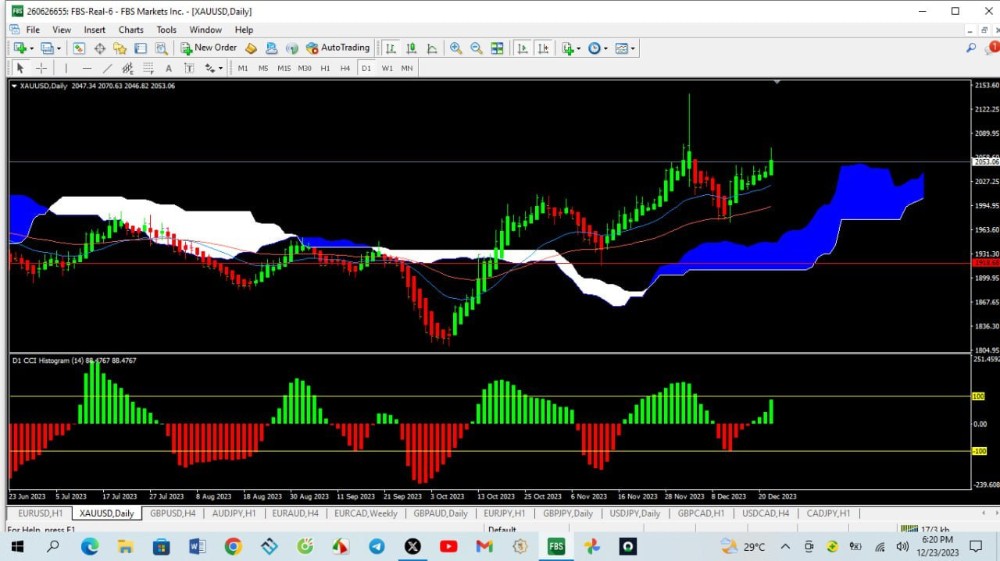
In recent years, traders have clearly split into two groups:
those who trade with Expert Advisors (EAs) and those who trade manually.
Many argue about which method is “better.”
But the truth from a professional trading perspective is simple:
❝ There is no perfect method — only the right method for the right market conditions and the right account structure ❞
This article provides a deep, realistic, and non-hyped comparison to help you:
- Understand the true nature of EA vs manual trading
- Know when to use an EA and when to trade manually
- Learn how to allocate capital properly to avoid destructive risk
1️⃣ EA TRADING – THE POWER OF DISCIPLINE
🔹 What Is an EA?
An Expert Advisor is a fully programmed trading system that executes trades based on predefined rules:
- Entry conditions
- Risk & money management
- Take profit, stop loss, DCA, hedge logic (if implemented)
An EA has no emotions — no fear, no greed, no hesitation.
✅ Key Advantages of EA Trading
- Trades 24/5 without fatigue
- Executes rules with absolute discipline
- Ideal for scalping, DCA, grid systems
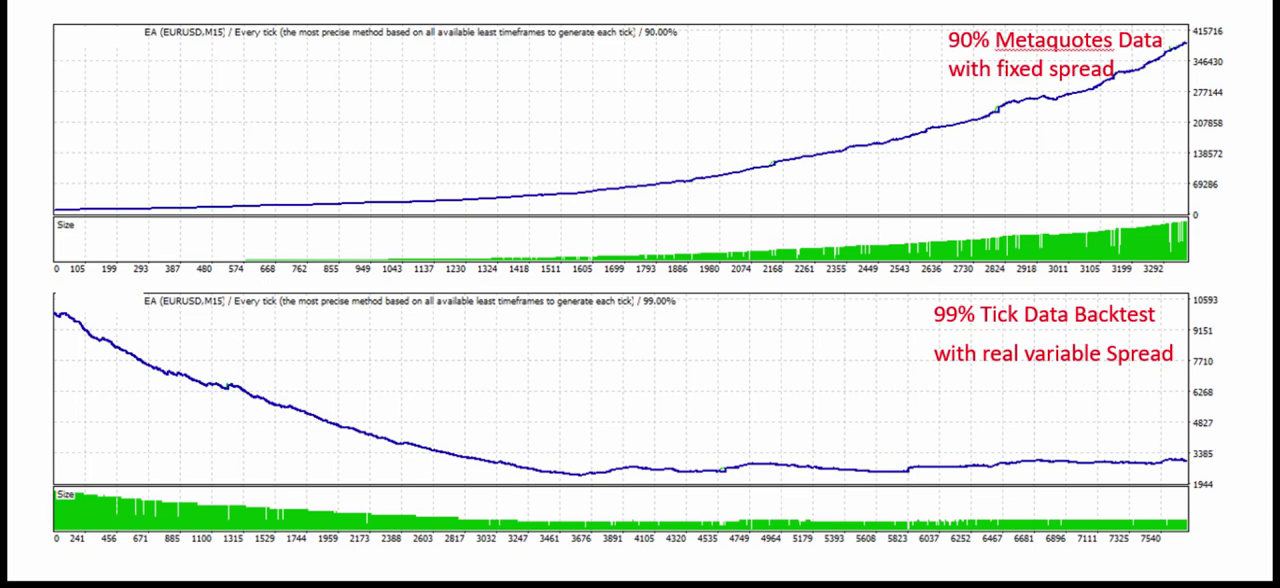
- Easy to backtest, optimize, and analyze statistically
⚠️ Real-World Limitations (Often Ignored)
- EAs do not understand market context
- Vulnerable when market behavior changes
- DCA/grid strategies can be dangerous without strict risk control
- Dependent on VPS quality, spread, and slippage
👉 EAs are not for traders chasing fast profits
👉 EAs are for traders who value consistency and risk control
2️⃣ MANUAL TRADING – THE POWER OF MARKET UNDERSTANDING

🔹 What Is Manual Trading?
Manual trading relies on:
- Market structure analysis
- Trend recognition
- Context-based decision making
- Trader experience and discretion
✅ Advantages of Manual Trading
- Excellent adaptability to news and volatility
- Effective during trend shifts and breakouts
- Flexible position management
- Ideal for intraday, swing, and position trading
⚠️ Major Weakness
- Emotions are the biggest enemy
- FOMO and revenge trading risks
- Cannot trade consistently for long hours
- Performance depends entirely on the trader’s mindset
👉 Manual trading requires strong discipline and experience
👉 But when mastered, it is extremely powerful
3️⃣ WHEN SHOULD YOU USE AN EA — AND WHEN SHOULD YOU TRADE MANUALLY?
🔸 USE AN EA WHEN:
✔ Market is range-bound / sideways
✔ Scalping, DCA, or grid strategies
✔ Lower timeframes: M1 – M5 – M15
✔ No high-impact news
✔ You cannot monitor the market constantly
👉 EAs work especially well in Forex & Gold during Asian sessions and early London
🔸 TRADE MANUALLY WHEN:
✔ High-impact news events (CPI, NFP, FOMC)
✔ Strong breakouts or trend reversals
✔ Higher timeframes: H1 – H4 – D1
✔ You need to read market structure and sentiment
👉 Gold & Forex during New York session favor manual trading
4️⃣ SMART ACCOUNT ALLOCATION – THE SURVIVAL FACTOR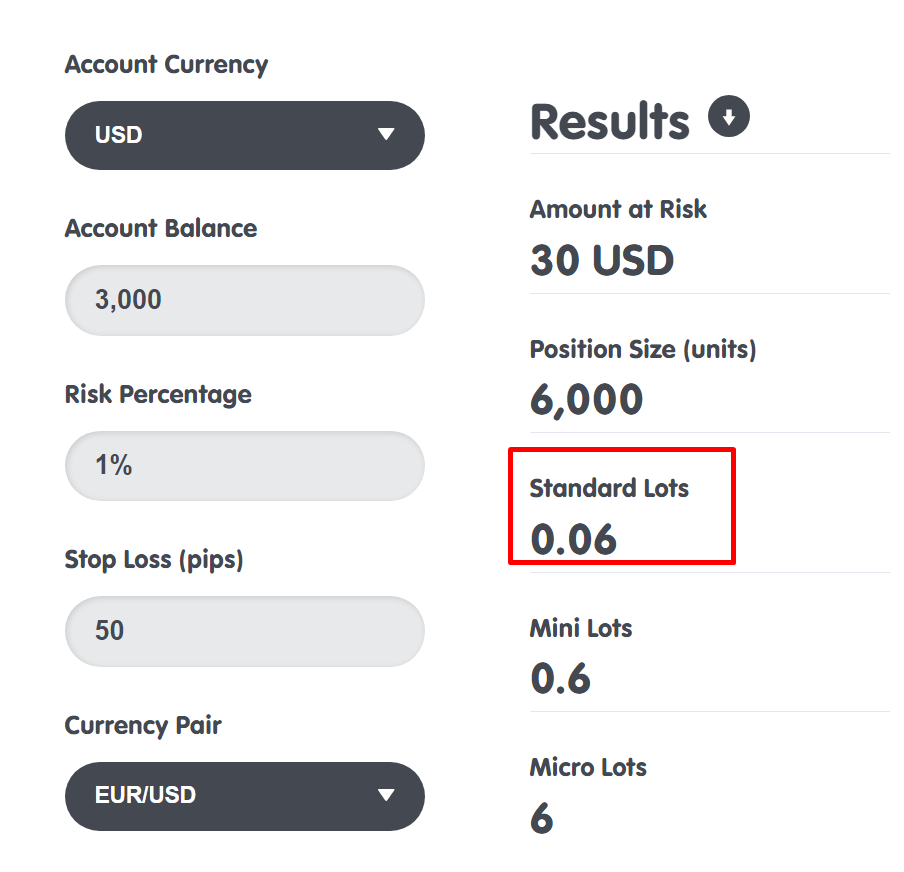

❌ COMMON MISTAKES
- Running EA and manual trades in one account
- Manual trading to “recover” EA losses
- Increasing EA lot size after manual losses
👉 This behavior often leads to rapid account destruction
✅ RECOMMENDED CAPITAL STRUCTURE
Account 1 – EA Trading
- 40–60% of total capital
- Stable logic (controlled DCA, average TP)
- No manual interference
Account 2 – Manual Trading
- 20–40% of total capital
- Trend, news, swing trades
- Clear stop loss, minimum RR 1:2
Account 3 – Testing / Research
- 5–10% of total capital
- New EA or strategy testing
5️⃣ FINAL THOUGHTS – PROFESSIONAL TRADERS DON’T CHOOSE JUST ONE
❝ Beginners choose between EA or manual
Professionals know when to use each ❞
- EA = a disciplined profit engine
- Manual trading = a flexible tactical weapon
- Risk management = the foundation of survival
👉 Stop asking “Which is better?”
👉 Start asking “What does the market require right now?”