The Rise of Real-World Asset Tokenization in Crypto
The cryptocurrency space has evolved far beyond its early identity as a niche experiment in digital money. Today, one of the most promising developments is the tokenization of real-world assets, often referred to as RWA. This trend is quietly reshaping how value is created, owned, and transferred across the globe.
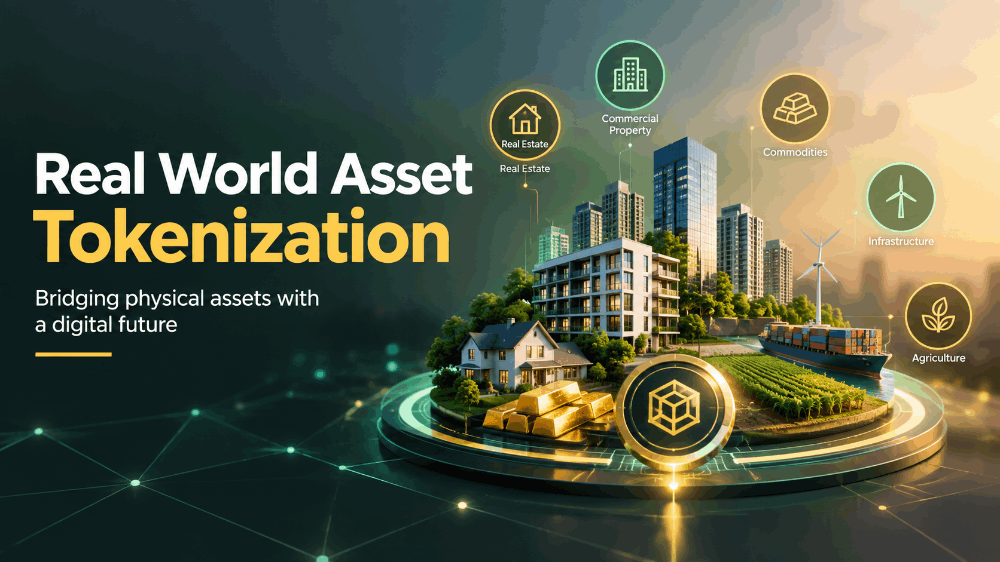
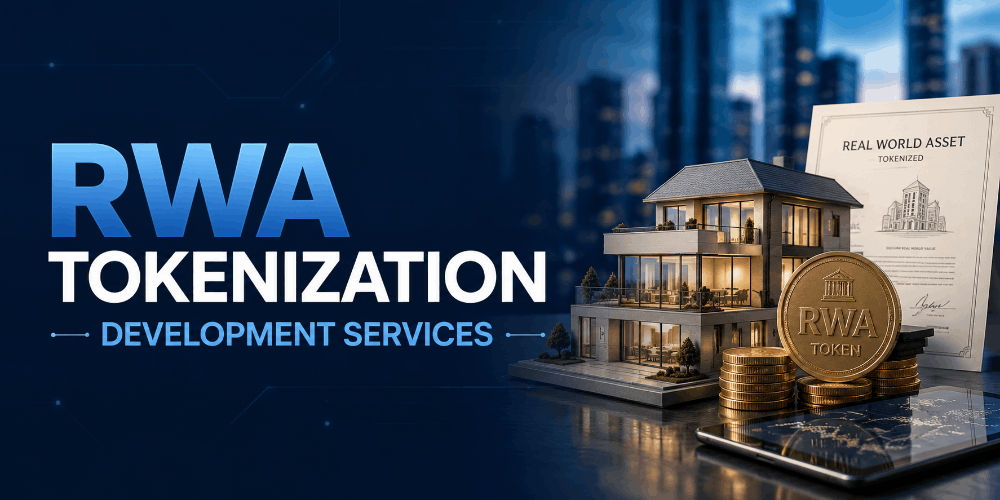
At its core, real-world asset tokenization is the process of converting ownership rights of physical or traditional financial assets into digital tokens on a blockchain. These assets can include real estate, stocks, bonds, commodities like gold, or even intellectual property. By bringing them on-chain, they become easier to access, trade, and manage.
One of the biggest advantages of tokenization is accessibility. Traditionally, investing in high-value assets like real estate or private equity requires significant capital and often involves complex legal processes. Tokenization lowers these barriers by allowing fractional ownership. Instead of needing thousands or millions of dollars, individuals can own a small portion of an asset with relatively little capital. This opens up investment opportunities to a much broader audience.
Another key benefit is liquidity. Many real-world assets are considered illiquid, meaning they cannot be easily bought or sold without significant time and cost. For example, selling a property can take months. When these assets are tokenized, they can be traded on blockchain platforms almost instantly, creating a more dynamic and efficient market. This shift has the potential to unlock trillions of dollars in previously stagnant value.
Transparency also plays a major role. Blockchain technology provides a public and immutable record of transactions. This reduces the need for intermediaries and increases trust among participants. Investors can verify ownership, track asset history, and ensure that transactions are executed as intended without relying heavily on third parties.
Despite its potential, tokenization is not without challenges. Regulatory uncertainty remains one of the biggest hurdles. Governments and financial authorities are still working to define clear frameworks for how tokenized assets should be treated. This can create friction for companies trying to build in this space, as compliance requirements may vary across jurisdictions.
There are also technical and operational risks to consider. Smart contracts, which automate the execution of transactions, must be carefully designed and audited to prevent vulnerabilities. Additionally, integrating traditional assets with blockchain systems requires reliable infrastructure and trusted custodians to ensure that the digital representation accurately reflects the real-world asset.
Another important factor is trust. While blockchain itself is transparent, the connection between the physical asset and its digital token must be secure. If this link is compromised, it can undermine confidence in the entire system. This is why partnerships between blockchain projects and established financial institutions are becoming increasingly important.
Looking ahead, the growth of real-world asset tokenization seems inevitable. As technology matures and regulations become clearer, more institutions are expected to enter the space. Banks, asset managers, and even governments are beginning to explore how tokenization can improve efficiency and expand access to financial markets.
In many ways, this trend represents a natural evolution of the crypto industry. Early innovations focused on creating entirely new forms of digital value. Now, the focus is shifting toward enhancing and modernizing existing systems. Tokenization bridges the gap between traditional finance and decentralized technology, creating a hybrid model that combines the strengths of both.
The long-term impact could be significant. A world where assets are easily divisible, globally accessible, and instantly tradable would change how people invest and build wealth. It could reduce inequality by giving more people access to opportunities that were once limited to a small group.
In conclusion, real-world asset tokenization is more than just a trend. It is a fundamental shift in how ownership and value are structured. While challenges remain, the direction is clear. As the crypto industry continues to mature, tokenization stands out as one of the most practical and transformative use cases, bringing blockchain technology closer to everyday life.