Bargaining is underway in middle East.

In a room at Islamabad’s Serena Hotel, a triangular table had been set. Three sides, three chairs, three flags. On one side the United States, on another Iran, and on the third Pakistan. This table had been personally inspected by Field Marshal Asim Munir ,for a historic signing. A signature that, after two months of war, a blockade, and a fragile global market, would place Islamabad on the world map the way Oslo, Camp David, or Dayton once were.
That table is no longer there.
Late last week, when a reporter from an American newspaper stepped into that room, the table had already been dismantled, and the three flags were being neatly folded. The American delegation never arrived. Steve Witkoff and Jared Kushner were stopped just hours before their flights. Trump posted on Truth Social, “We have all the cards. Iran can call if they want.” And then told Fox News, “Why take an 18-hour flight just for chit-chat?”
From a Pakistani airbase, two C-17 Boeing Globemaster aircraft carrying American security equipment departed back. The Iranian delegation was quietly moved at night from the Marriott Hotel, along with Foreign Minister Abbas Araghchi, first to Muscat, then back to Islamabad, and by Monday to St. Petersburg’s Boris Yeltsin Presidential Library where Mr. Putin was waiting.
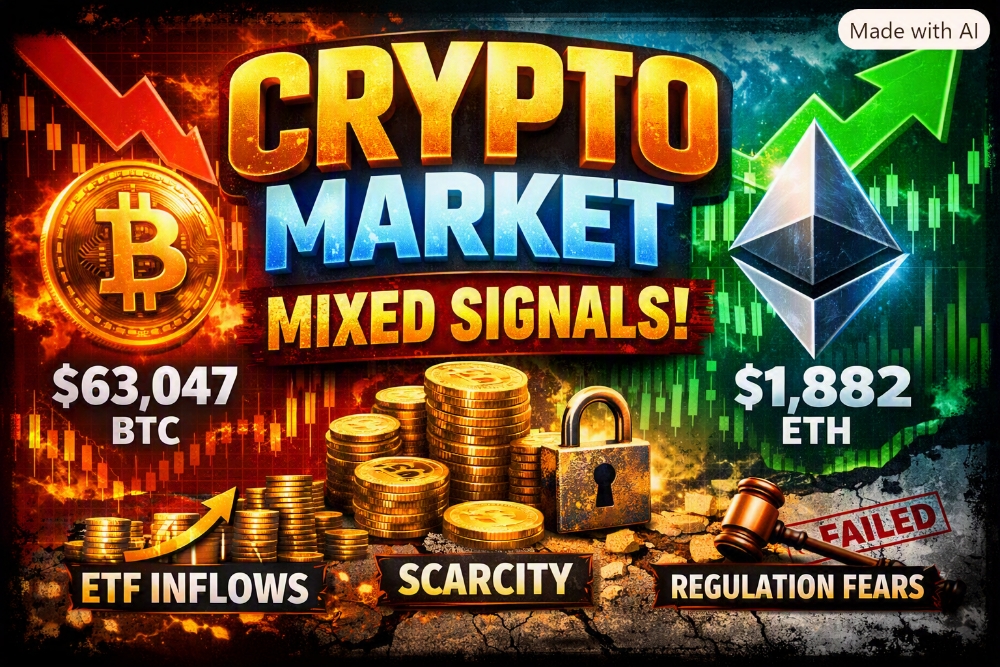
Global media quickly ran headlines: “Islamabad Process Fails.” “Trump Rejects Talks.” “Iran Turns to Russia.” Goldman Sachs raised Brent crude forecasts to $90 per barrel. Oil surged to $108. Shipping through the Strait of Hormuz dropped to just 5% of pre-war levels.
Yet I remain confident that we are closer than ever to a US-Iran deal. Let’s look at this situation in three layers.
The first layer.
Last week, Iran made an offer that may be the biggest breakthrough of this war so far. Reported by Al Jazeera, AP, The Washington Post, and first broken by Axios, Tehran presented a new formula:
We will reopen the Strait of Hormuz, relinquish control, and allow free maritime passage without conditions if you lift the naval blockade on our ports and formally acknowledge the end of the war.
And most importantly , nuclear talks will come later. First peace, then nuclear. First open the traffic, then discuss uranium.
This marks a major shift in Iran’s position. After February 28, Iran had insisted everything would be negotiated together or nothing at all. Now, for the first time, it accepts that issues can be resolved step by step.
The second layer.
This offer mirrors exactly what one of America’s most serious policy institutions, the Council on Foreign Relations, proposed in an April 20 analysis. Senior fellow Max Boot suggested that the immediate shared interest of both the US and Iran is to end both blockades simultaneously. He called it “Open for Open”: one blockade lifted in exchange for the other.
Iran wants to sell oil to recover $270 billion in war damages. The US wants to lower fuel prices before midterm elections. Their needs align their egos don’t.
And the Center for Strategic and International Studies described the situation as a “paradoxical balance.” Iran uses control of Hormuz as leverage; the US counters by “blockading the blockaders.” Both hurt each other and both know this cannot continue indefinitely.
CSIS makes a blunt observation,
Iran, particularly its Revolutionary Guards, believe and to some extent correctly that they can endure more economic and military pressure than the United States.”
That line is crucial. Trump says, “We have all the cards.” The think tanks say: you have less time. Iran has more patience. The American public cannot tolerate $4.11 per gallon fuel prices for long. Trump knows this. That’s why there’s a gap between his rhetoric and his actions. In speeches, he’s a lion. In practice, he’s a chess player and a chess player doesn’t waste pieces unnecessarily.
The third layer.
Trump did not say Iran’s offer was worthless. His Secretary of State, Marco Rubio known as a hardliner said,
“This offer is better than what we expected.”
That’s a golden statement. It rejects nothing; it invites negotiation. Rubio also made clear the nuclear issue will not be ignored. Meaning: this offer is a starting point, not the final deal.
CNN sources added that “the gaps between both sides are not as wide as headlines suggest. Backchannel talks are active, and a phased agreement is taking shape.”
First: reopening Hormuz.
Second: resolving the nuclear issue.
Exactly what Iran proposed. Exactly what analysts recommended.
So why was the triangular table removed?
Because Trump’s politics is public drama, while real deals happen quietly. A president whose MAGA base criticizes “Netanyahu’s war,” whose allies like Tucker Carlson and Steve Bannon oppose further involvement, and who faces pressure from Congress cannot be seen publicly rushing into a deal.
The optics matter,
✔️First show “we rejected it.”
✔️Then later claim “we made them accept our terms.”
This is a classic Trump move.
Now consider Pakistan.
Despite the absence of the US delegation, shuttle diplomacy from Islamabad hasn’t stopped. Iran’s foreign minister visited twice in two days clear proof of trust. Iran has even stated officially that it prefers negotiations in Pakistan because it trusts Pakistan.
The removal of the table is not the end , it’s just a pause. Talks will resume soon. Maybe by phone, as Trump suggested. Maybe in Muscat. Maybe Moscow plays a role, especially regarding uranium storage. Signals from both Trump and Putin hint at that possibility.
Yes, bargaining is intense. Even the German chancellor has acknowledged that Iranian diplomats are playing their cards skillfully.
But a deal will happen.
Because the reasons are clear,
✔️Trump wants peace to step out of Netanyahu’s shadow.
✔️Iran needs economic relief.
✔️Pakistan seeks diplomatic recognition.
✔️Gulf states need supply chains restored.
✔️Europe needs energy.
✔️India needs oil.
✔️China needs trade.
Wars with such clear mutual necessity rarely end without agreement yet people watching TV still think bombs could fall tomorrow.
This war is exactly that paradox:
✔️On the surface, drama.
✔️At its core, necessity.
And when drama and necessity collide necessity always wins. The market is open. Bargaining is ongoing. There’s noise, posturing, and theatrics but to prevent collapse, a deal will be made.
Thank you so much for Reading. Like, upvote and leave comment for feedback.
Note: The article also published on my read.cash wall.
Cheers,
Amjad