The Silent Takeover: How Claude Is Quietly Dominating the AI Race — And Why Is Taking Notice

"The best revolutions don't announce themselves. They simply arrive — and suddenly, the world is different."
 Claude — the AI quietly rewriting the rules of the industry.
Introduction: A New Era Has a New Leader
The AI arms race was supposed to be a two-horse contest.
For years, the narrative wrote itself: OpenAI's ChatGPT on one side, Google's Gemini on the other, with every other contender fighting for table scraps in the middle. The media had its storyline. The investors had their bets placed. The public had its habits formed.
Then something shifted.
Quietly, methodically — without a Super Bowl ad or a viral stunt — Claude, Anthropic's flagship AI, began doing something the others could not: it started earning trust. Not just from casual users, but from lawyers, researchers, software engineers, doctors, writers, and executives who depend on AI not for entertainment, but for outcomes that actually matter.
In 2026, Claude is no longer the underdog. It is the standard against which every other AI is being measured. And the story of how it got here is one of the most important technological narratives of our decade.
Part I: Who Is Claude, Really?
To understand why Claude is winning, you first have to understand who built it — and why.
Anthropic was founded in 2021 by Dario Amodei, Daniela Amodei, and several colleagues who had previously held senior roles at OpenAI. Their departure was not a corporate drama. It was a philosophical one. They believed that building transformative AI without an equally transformative commitment to safety was not just irresponsible — it was dangerous.
So they started over. Anthropic's research-first philosophy is the engine behind Claude's rise.
Anthropic built Claude on a framework called Constitutional AI (CAI) — a methodology where the model is trained not just to be capable, but to be principled. Instead of relying entirely on human feedback to shape behavior, Constitutional AI gives the model a set of guiding principles and teaches it to reason about its own outputs. The result is an AI that doesn't just follow instructions; it understands why certain responses are appropriate and others are not.
This foundational difference — safety and capability as co-equals rather than trade-offs — is the DNA of everything Claude does. And users are feeling the difference, even when they can't articulate exactly what it is.
Part II: The Features That Are Changing Everything
Claude's rise is not accidental. It is the product of deliberate, compounding advantages built into the model from the ground up. Here are the capabilities that are making professionals abandon other platforms and migrate to Claude — often without looking back.
1. The Longest, Deepest Memory in the Game: 200,000-Token Context Window
Context is everything in AI.
When you ask an AI to analyze a contract, write a report, or review a codebase, what you're really asking it to do is hold everything in mind at once — the way a truly sharp colleague would before offering advice.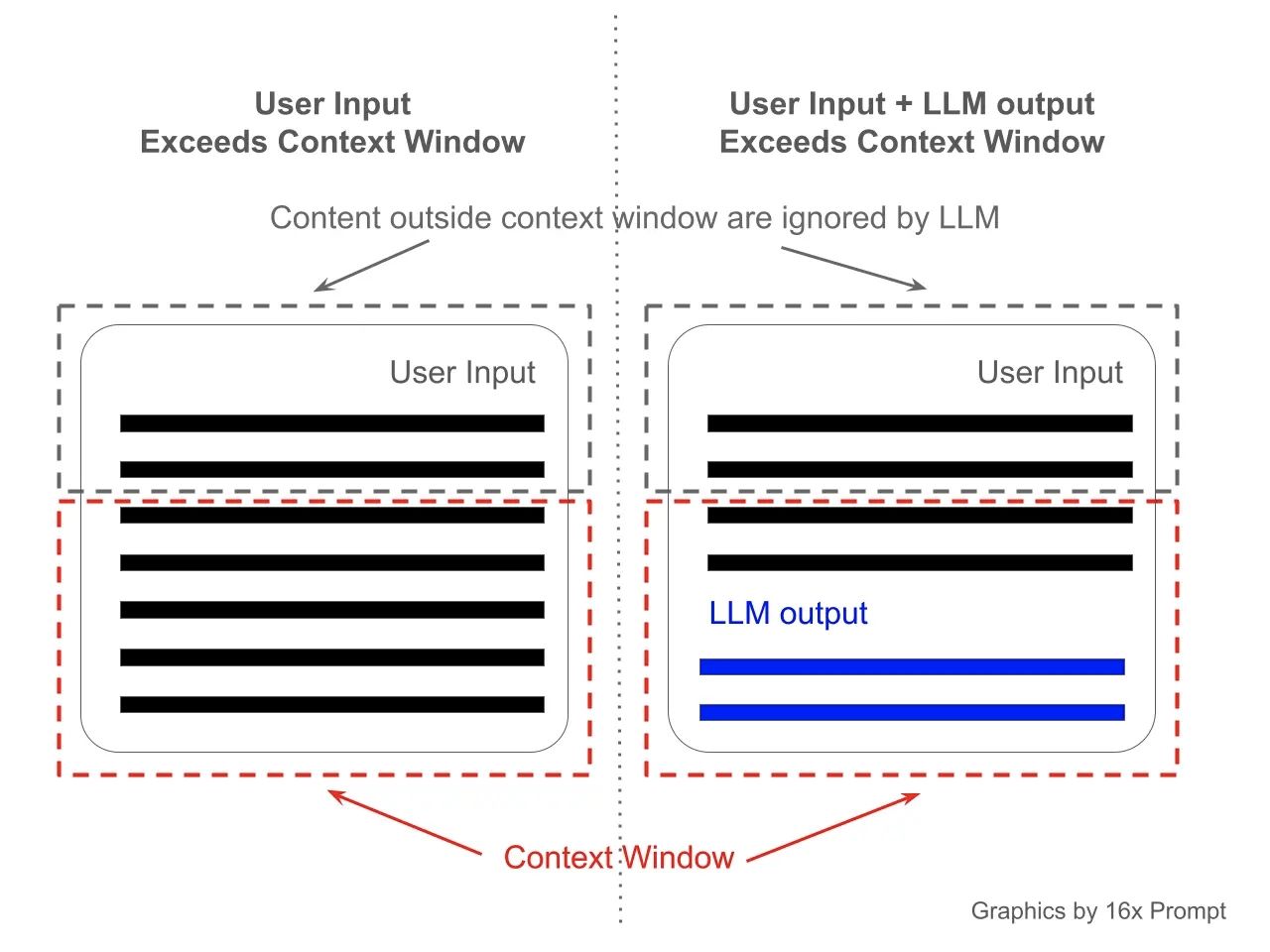 Claude's 200K context window lets it hold an entire novel — or a full legal brief — in mind at once.
Claude's context window stretches to 200,000 tokens, which translates to roughly 150,000 words — equivalent to an entire novel, a full legal brief, or hundreds of pages of technical documentation. Competing models have historically capped out at a fraction of that, forcing users to chunk, summarize, and re-submit information repeatedly, losing nuance and coherence at every step.
The practical implications are staggering:
- A litigation team can feed Claude an entire case file and ask for a strategy memo
- A software team can paste a full codebase and ask "what breaks if we change this function?"
- A researcher can submit fifty academic papers and ask for a synthesis
Claude doesn't just process these inputs. It reasons across them, holds contradictions in tension, and produces responses that reflect a genuine understanding of the whole — not just the last few paragraphs.
This is not a marginal improvement. It is a paradigm shift in what AI assistance actually looks like.
2. Honesty as a Feature, Not a Constraint
Here is a confession that most AI companies won't make: their models are optimized to sound helpful, which is not the same as being helpful.
When a language model is trained primarily on user approval, it learns a subtle but devastating lesson: agreeable answers get rewarded. The result is an AI that tells you what you want to hear — confidently, eloquently, and sometimes completely incorrectly.
Claude was built differently.
Anthropic's Constitutional AI framework instills a commitment to honesty that goes beyond simply avoiding falsehoods. Claude is designed to:
- Acknowledge uncertainty rather than fabricate confident-sounding answers
- Push back on faulty premises in user questions rather than silently validating them
- Disagree respectfully when asked to endorse something it has reason to question
- Calibrate confidence — expressing appropriate hedging when the evidence is genuinely mixed
For professionals using AI in high-stakes environments — medical, legal, financial, scientific — this distinction is not philosophical. It is the difference between a useful tool and a liability. Claude has become the trusted AI precisely because it refuses to just tell you what you want to hear.
3. Reasoning That Mirrors How Experts Actually Think
There is a difference between an AI that can answer questions and an AI that can think.
Claude's extended reasoning capabilities — particularly in its Opus models — allow it to work through complex, multi-step problems the way a skilled analyst would: breaking down assumptions, considering counterarguments, testing hypotheses, and arriving at conclusions that are transparent and traceable.
This matters enormously in real-world applications. When a consultant uses Claude to model business scenarios, they don't just want an answer — they want to understand why the answer makes sense and what assumptions it depends on. When a developer uses Claude to debug architecture decisions, they need reasoning they can audit, not a black box.
Claude's thinking isn't hidden inside the model. It's visible, followable, and — critically — correctable. Users can engage with Claude's reasoning, challenge it, and refine it in real time. This transforms the human-AI interaction from a query-response pattern into something closer to genuine intellectual collaboration.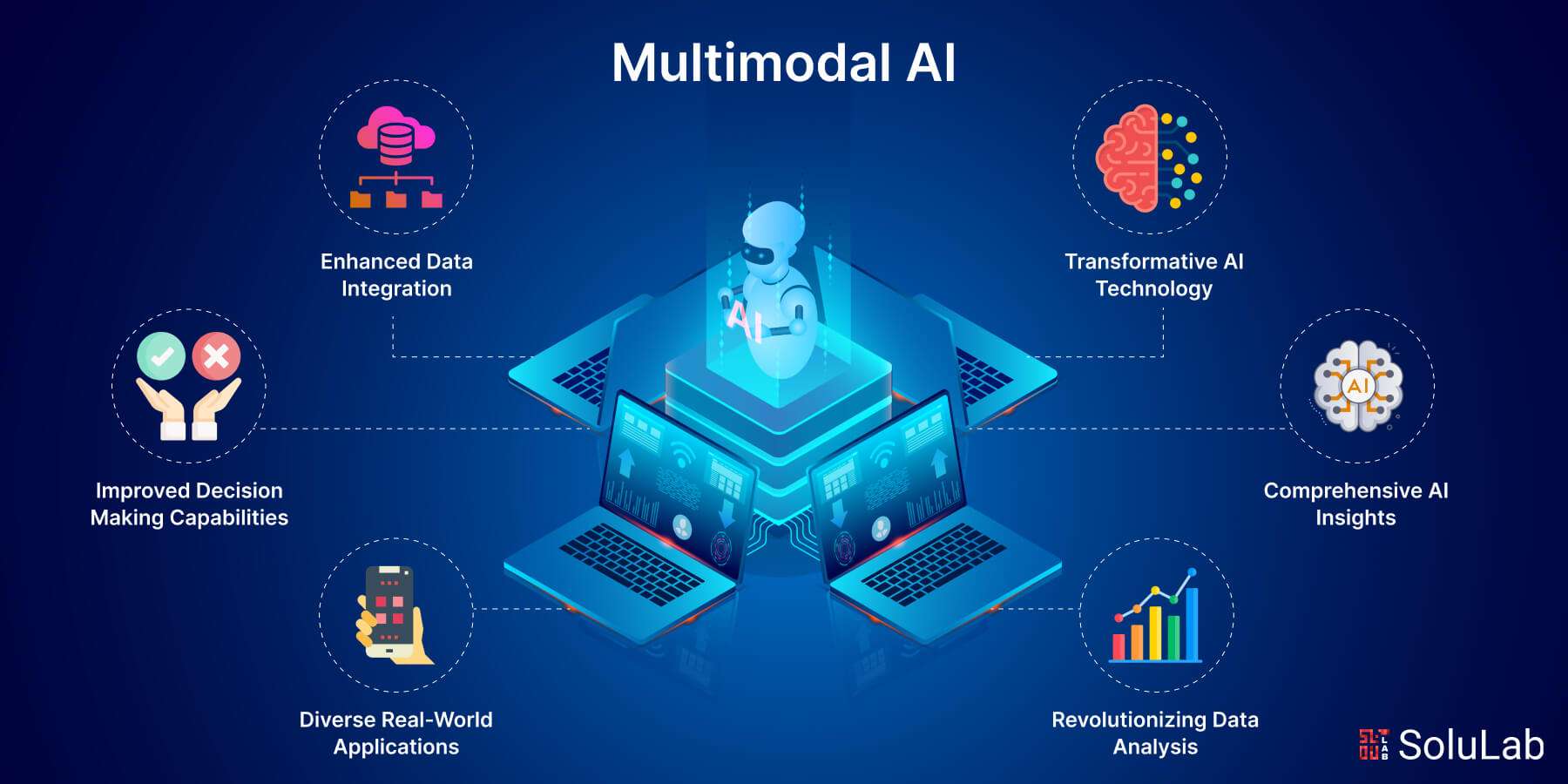
4. Coding That Goes Beyond Autocomplete
The developer community was one of the first to notice.
Claude's coding capabilities have moved well past intelligent autocomplete into something that experienced engineers describe as having a senior developer in the room. Claude can:
- Review entire codebases for architectural issues, security vulnerabilities, and performance bottlenecks
- Explain complex code in plain language for onboarding, documentation, or cross-team communication
- Refactor thoughtfully — not just rewriting code, but understanding why the original was structured the way it was before suggesting improvements
- Debug multi-file, multi-language projects by tracing logic flows across systems
- Write tests that actually anticipate edge cases rather than just covering the happy path
Claude Code, Anthropic's dedicated agentic coding tool, has become a serious productivity multiplier for engineering teams. It operates in the terminal, reads actual project files, and executes tasks end-to-end — not as a chatbot that pastes code snippets, but as an active participant in the development process.
For many developers, the question is no longer "should I use an AI coding assistant?" It's "why would I use anything other than Claude?"
5. Writing Quality That Reads Like a Human — Because It Thinks Like One
Ask most AI models to write something, and you'll get a recognizable product: structured, technically correct, oddly flat, with a peculiar tendency toward unnecessary lists and hollow filler phrases like "Certainly!" and "Great question!"
Claude writes differently. Claude produces writing with shape, voice, and intention — not just words on a page.
This is partly a function of training, but it's more fundamentally a function of how Claude approaches a writing task. Rather than pattern-matching against common document templates, Claude reasons about the purpose of the piece, the audience it serves, the tone that fits the context, and the ideas that deserve emphasis. The result is writing that has shape, voice, and intention.
Long-form writers, journalists, marketing professionals, and academics have noticed. Claude handles nuance, metaphor, argument structure, and stylistic consistency at a level that genuinely surprises people who've been quietly disappointed by other tools. It doesn't just write — it composes.
6. Multimodal Intelligence: Seeing and Understanding the World
Claude's vision capabilities extend its utility far beyond text. Feed it an image, a chart, a diagram, a screenshot, or a photograph, and Claude doesn't just describe what it sees — it analyzes, interprets, and reasons about it.
A financial analyst can drop in a chart of quarterly performance and ask Claude to identify anomalies and propose explanations. An architect can share a floor plan and ask for structural or workflow observations. A student can photograph a whiteboard full of equations and ask for a step-by-step breakdown.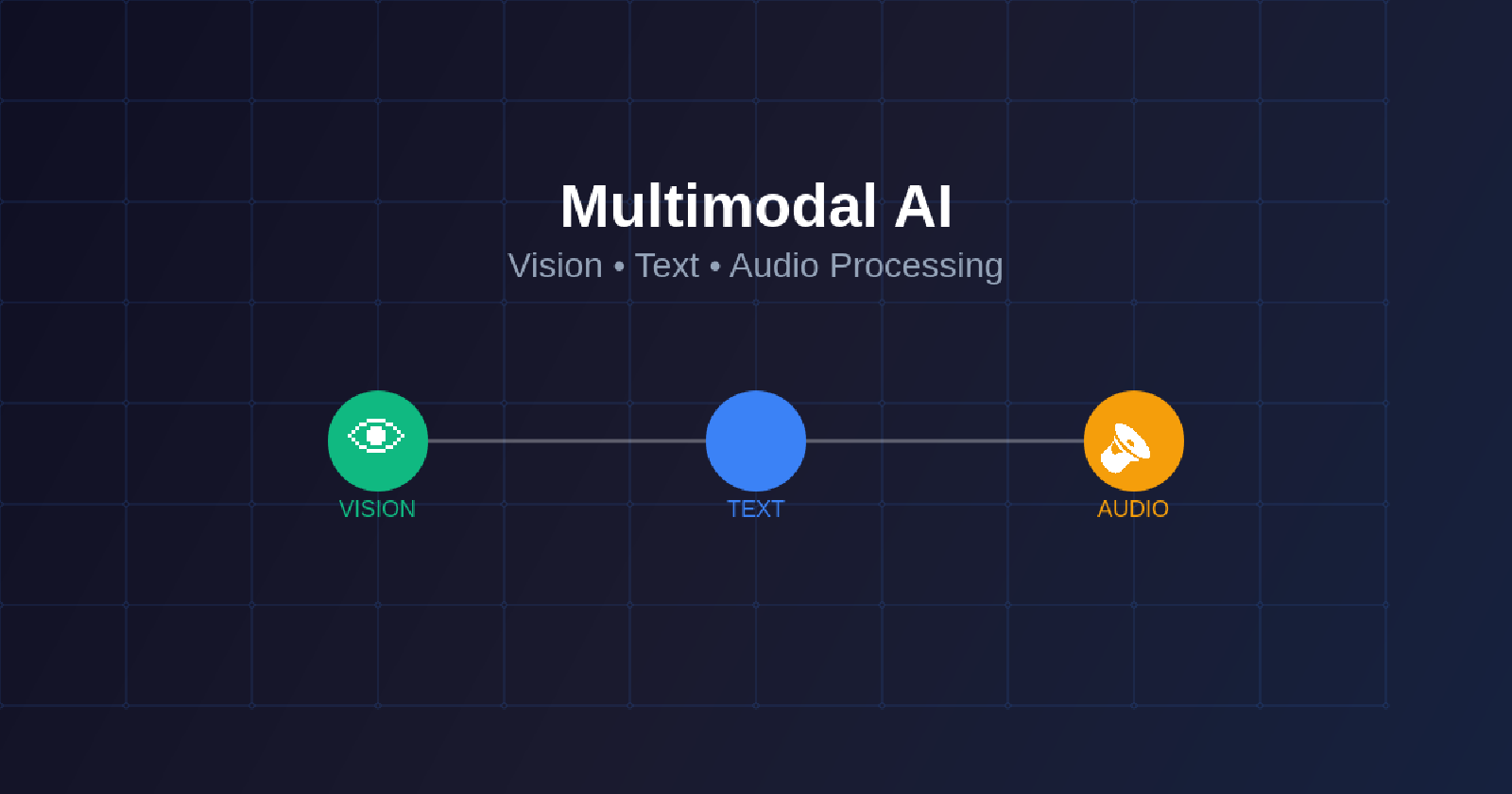 Vision, text, and reasoning — Claude understands the world as it actually exists.
This multimodal fluency means Claude operates in the world as it actually exists — messy, visual, and full of information that doesn't arrive in neat text format.
Part III: The Numbers Don't Lie
Abstract capability claims are easy to make. The market tells a harder truth.
Anthropic's revenue trajectory has been remarkable. The company crossed the $1 billion annualized revenue mark and has continued accelerating, driven by enterprise adoption from organizations that tried multiple AI platforms before concluding that Claude's combination of capability, reliability, and trustworthiness was unmatched.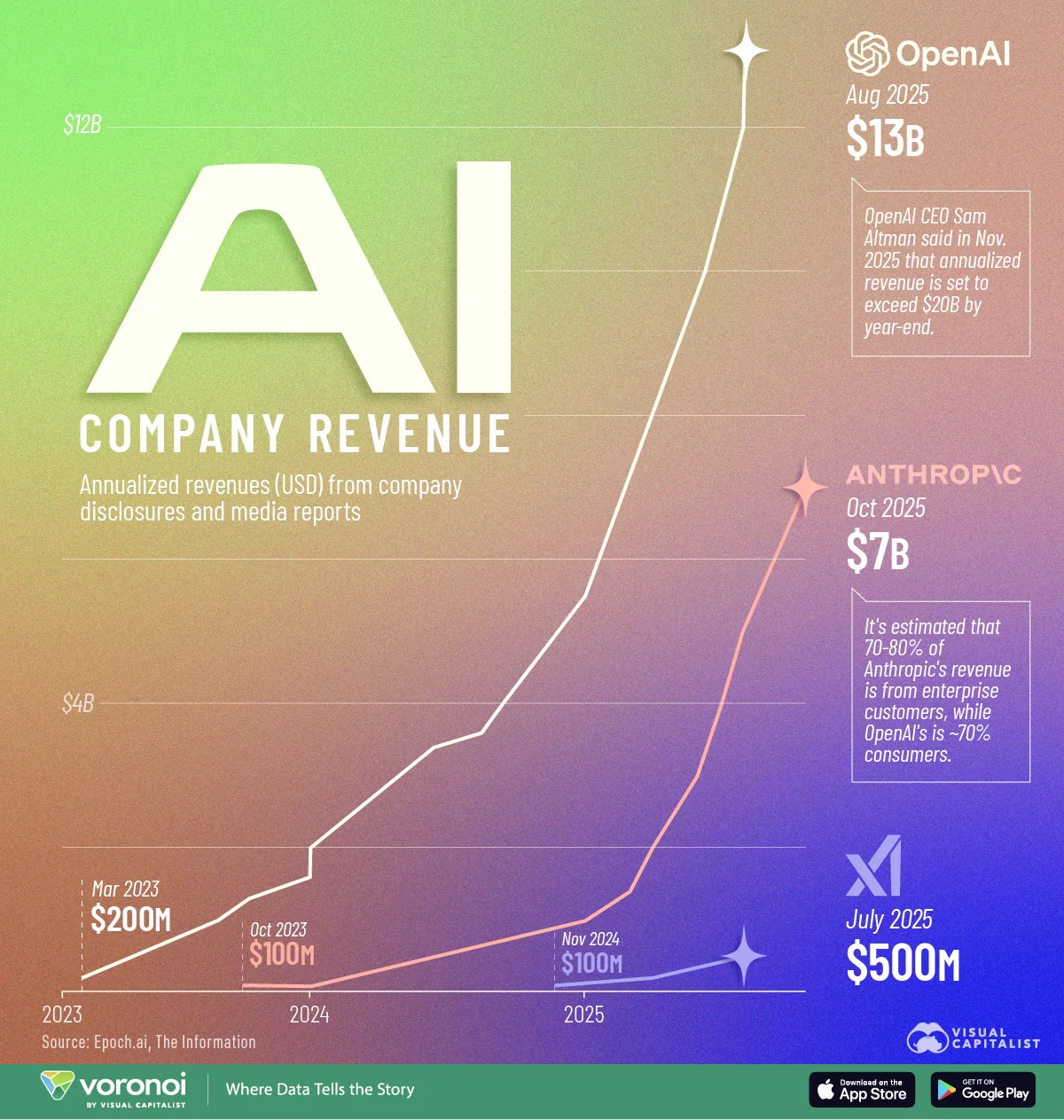
Enterprise adoption tells the story numbers alone can't fake.
The enterprise market is particularly telling. Companies with real liability exposure — law firms, financial institutions, healthcare organizations, government contractors — are not making AI decisions based on demos or hype. They are running evaluations, stress-testing outputs, and asking hard questions about accuracy, consistency, and safety. In those environments, Claude has repeatedly emerged as the preferred choice.
Developer adoption tells the same story. Claude's API has seen sustained growth as developers building AI-powered products conclude that the quality of outputs — and the reliability of the model's behavior — makes it worth paying a premium for. An AI that occasionally hallucinates confidently is not just unhelpful; it breaks user trust in the products built on top of it. Claude's honesty features are, counterintuitively, a competitive advantage in the market for AI infrastructure.
Part IV: The Safety Bet Is Paying Off
 Anthropic's safety-first bet isn't a constraint — it's become Claude's biggest competitive edge.
Anthropic made a controversial bet when it decided that safety and capability were not in tension — that you could build an AI that was both more powerful and more trustworthy than the alternatives.
The critics said it couldn't be done. You had to choose.
The market has rendered its verdict: they were wrong.
Claude's safety architecture doesn't hobble it. It makes it more useful. Users don't have to spend mental energy second-guessing outputs, constructing elaborate prompts to avoid unhelpful refusals, or cleaning up confident misinformation. They can focus on what they're actually trying to accomplish.
This is the paradox that Anthropic understood before most: safety isn't a tax on capability. In an environment where AI is being used for consequential work, safety is capability. The ability to trust your tools is not separate from their usefulness. It is the foundation of it.
Part V: What Claude Is Still Becoming
Claude is not a finished product. It is a direction.
Anthropic continues investing aggressively in the frontiers of what AI can do: longer context, deeper reasoning, better multimodal understanding, more sophisticated agentic behavior, and richer integration with the tools professionals actually use every day.
The trajectory matters as much as the current position. Claude is not leading because it got lucky on a benchmark or won a single feature comparison. It is leading because it was built on principles that compound over time: genuine helpfulness, honest engagement, and a commitment to building AI that makes human lives genuinely better rather than just more technologically impressive.
The AI race is far from over. But the terms on which it will be won are becoming clear — and they look a lot like what Claude has been building toward all along.
Conclusion: The Quiet Revolution That Already Happened
The AI story the media wants to tell is dramatic: announced rivals, leaked benchmarks, explosive launches, corporate drama, and a winner-takes-all battle for supremacy.
The real story is quieter and more interesting.
Claude won over the people who needed AI to work — not just to impress. Researchers who needed sources they could trust. Developers who needed code they could ship. Writers who needed prose that actually sang. Executives who needed analysis they could act on. One by one, professional by professional, use case by use case, Claude earned something that no press release can manufacture: a reputation.
And in the long run, reputation is the only moat that matters.
The silent takeover is not coming. It has already happened.
If this piece sparked something for you, drop a comment below and let's talk about where you see AI heading next. The conversation is just getting started. The silent takeover didn't announce itself. It just happened.
Tags: #ArtificialIntelligence #Claude #Anthropic #AITechnology #FutureOfWork #MachineLearning #TechTrends #Web3 #Innovation