How to Choose the Right Bike Helmet for Men for Comfort and Protection
Choosing the right helmet is one of the most important decisions a rider can make. Whether you use a motorcycle for daily commuting, weekend rides, or long-distance journeys, a well-fitted helmet provides essential protection while also improving riding comfort. However, selecting a helmet should involve more than choosing a design that looks good. Factors such as safety standards, fit, ventilation, weight, visibility, and construction all play an important role.
A quality Bike Helmet for Men should provide a balance between protection, comfort, and practical features. With many options available, understanding what to look for can help riders make a more informed choice. This guide covers the key factors to consider when choosing a helmet for everyday and recreational riding.
Why Choosing the Right Helmet Matters
A helmet is designed to help protect the head during a crash or impact. The effectiveness of a helmet depends greatly on its construction, condition, and fit.
An appropriate helmet should:
- Fit securely around the head
- Stay in position while riding
- Provide adequate coverage
- Feel comfortable during extended rides
- Offer clear visibility
- Meet applicable safety requirements
The right combination of these features can make riding more comfortable while supporting better protection.
1. Check the Safety Certification
Safety certification should be one of the first things to consider when buying a helmet.
Look for helmets that comply with the safety standards applicable to your country and intended use. In India, riders should look for helmets that comply with the relevant BIS requirements and carry appropriate certification markings.
A certification indicates that the helmet has been tested against specified safety requirements. However, certification should be considered alongside fit, condition, and correct usage.
2. Choose the Correct Helmet Type
Different riding situations may require different helmet designs.
Common types include:
Full-Face Helmets
Full-face helmets provide coverage around the head, sides, and chin. They are commonly preferred for motorcycle riding because they provide comprehensive coverage.
Open-Face Helmets
Open-face helmets provide coverage around the head and sides while leaving the face and chin more exposed. They can be suitable for certain riding environments, depending on local requirements and rider preferences.
Modular Helmets
Modular helmets combine features of full-face and open-face designs through a movable chin section. They can provide versatility but may have additional weight and mechanical components.
Choosing the appropriate type depends on your riding style, environment, and personal requirements.
3. Measure Your Head Properly
One of the most important factors when selecting a Bike Helmet for Men is getting the correct size.
To measure your head:
- Use a flexible measuring tape.
- Wrap it around the widest part of your head.
- Position the tape slightly above your eyebrows and around the back of your head.
- Record the measurement.
- Compare it with the manufacturer's size chart.
Different brands can have slightly different sizing systems, so always check the specific manufacturer's measurements.
4. Focus on a Secure Fit
A helmet should fit snugly without causing excessive pressure or discomfort.
When trying one on, check whether:
- The helmet sits level on your head.
- It doesn't move excessively when you shake your head.
- The cheek pads provide secure contact.
- There are no painful pressure points.
- The retention strap can be fastened correctly.
A helmet that is too loose may shift during riding, while one that is excessively tight can become uncomfortable.
5. Consider Helmet Weight
Weight can significantly affect comfort, particularly during long rides.
A lightweight helmet may reduce strain around the neck and shoulders. However, riders should never choose a helmet solely because it is lightweight. Safety certification, construction, fit, and overall quality should remain priorities.
Look for a helmet that offers a comfortable balance between protection and weight.
6. Look for Effective Ventilation
Ventilation is particularly important for riders in warm and humid conditions.
A well-designed helmet may include:
- Front air vents
- Rear exhaust vents
- Internal airflow channels
- Adjustable ventilation controls
Good airflow can help reduce heat and moisture buildup, making longer rides more comfortable.
7. Check the Visor
The visor plays an important role in visibility and protection from environmental conditions.
When choosing a helmet, look for a visor that:
- Provides clear vision
- Offers adequate coverage
- Resists scratching
- Opens and closes smoothly
- Is easy to replace if necessary
Some helmets also offer additional features such as anti-fog treatments or internal sun visors.
8. Consider Noise Levels
Wind noise can become tiring during longer rides.
Helmet shape, ventilation design, visor seals, and overall construction can influence how much wind noise reaches the rider.
If you regularly take long-distance trips, consider a helmet designed with features that help reduce excessive wind noise while still maintaining proper ventilation.
9. Examine the Retention System
The chin strap keeps the helmet securely positioned.
A reliable retention system should:
- Fit comfortably under the chin
- Remain securely fastened
- Be easy to adjust
- Stay properly positioned while riding
Always fasten the retention system correctly every time you ride.
10. Consider Interior Comfort
The interior padding directly affects the riding experience.
Look for:
- Comfortable cheek pads
- Removable and washable liners
- Moisture-managing materials
- Soft interior fabrics
- Proper cushioning
Removable interiors are particularly convenient because they can be cleaned regularly.
11. Choose Appropriate Visibility Features
Visibility is another important consideration for everyday riders.
Bright colors, reflective elements, and high-visibility designs can help make a rider more noticeable in certain conditions.
If you frequently ride at night or in poor visibility, consider helmets with reflective detailing or other visibility-enhancing features.
12. Don't Ignore Helmet Condition
Even a high-quality helmet has a limited service life.
Replace a helmet if:
- It has been involved in a significant impact.
- The shell shows visible damage.
- The retention system is damaged.
- The interior has deteriorated significantly.
- The manufacturer recommends replacement based on age or condition.
Never continue using a helmet that has sustained a serious impact simply because there is no visible external damage.
13. Consider Your Riding Style
Your typical riding habits should influence your choice.
For daily commuting, you may prioritize:
- Comfort
- Ventilation
- Easy cleaning
- Good visibility
- Practical weight
For long-distance riding, you may place greater importance on:
- Aerodynamics
- Noise management
- Ventilation
- Interior comfort
- Visor quality
Understanding your needs makes it easier to select a suitable helmet.
RYDR and Motorcycle Safety
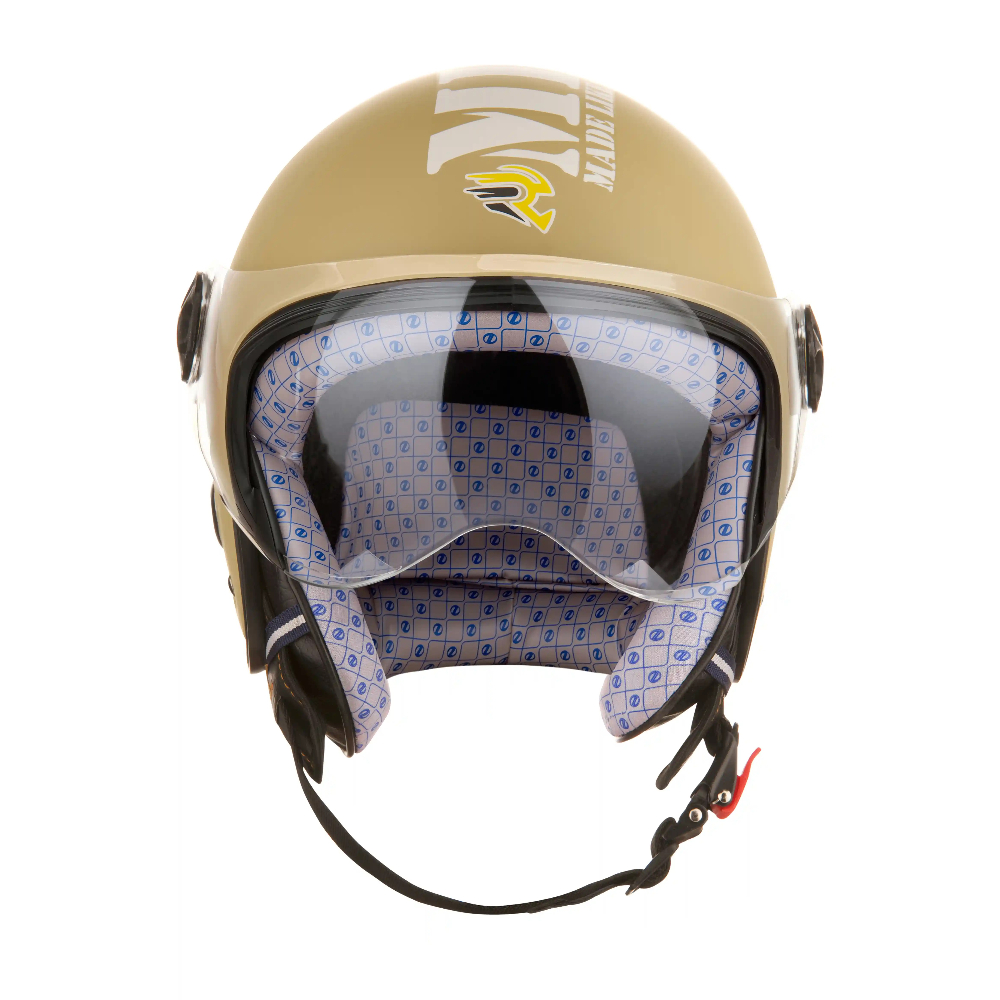
For riders looking for a helmet that combines safety-focused construction with comfort and contemporary styling, RYDR offers motorcycle helmets designed with riders in mind. The brand focuses on combining protection, comfort, durability, and modern design for different riding needs.
When selecting any helmet, however, riders should always verify the applicable certification, choose the correct size, and ensure the helmet is properly fastened.
Final Thoughts
Choosing the right Bike Helmet for Men requires careful consideration of safety certification, helmet type, size, fit, ventilation, weight, visor quality, retention system, and interior comfort. A helmet should feel secure without creating excessive pressure and should remain properly positioned throughout your ride.
Rather than choosing based solely on appearance or price, consider how the helmet fits your riding habits and safety requirements. A properly selected and correctly worn helmet can make every journey more comfortable while providing an important layer of protection.
Frequently Asked Questions (FAQs)
1. How should a Bike Helmet for Men fit?
A Bike Helmet for Men should fit snugly around the head without causing painful pressure. It should sit level, remain stable when you move your head, and be securely fastened with the retention strap.
2. Which type of helmet offers the most coverage?
A full-face helmet generally provides coverage around the head, sides, and chin. It is commonly chosen by motorcycle riders seeking comprehensive head and face coverage.
3. How do I know which helmet size to buy?
Measure the circumference of the widest part of your head and compare the measurement with the manufacturer's size chart. Always follow the specific brand's sizing guidance.
4. How often should a motorcycle helmet be replaced?
Replacement depends on the manufacturer's recommendations, age, condition, and usage. A helmet should always be replaced after a significant impact or when its protective components become damaged or deteriorated.
5. What features should I prioritize when buying a helmet?
Prioritize applicable safety certification, correct fit, suitable helmet coverage, reliable retention, comfortable ventilation, clear visibility, and appropriate construction. These factors are generally more important than appearance alone.