Staying Safe in Web3 - A Guide to Wallet Security and Scam Prevention.

Web3 has opened the door to decentralized finance, digital ownership, NFTs, and new earning opportunities. The remote work getting deep roots and financial empowerment by crypto is lesson for the day. However, with freedom comes responsibility. Unlike traditional banking, there is usually no customer support to recover stolen funds or reverse bad transactions. This makes wallet security and scam prevention extremely important. Understanding how to protect yourself onchain can help you avoid costly mistakes and enjoy Web3 safely.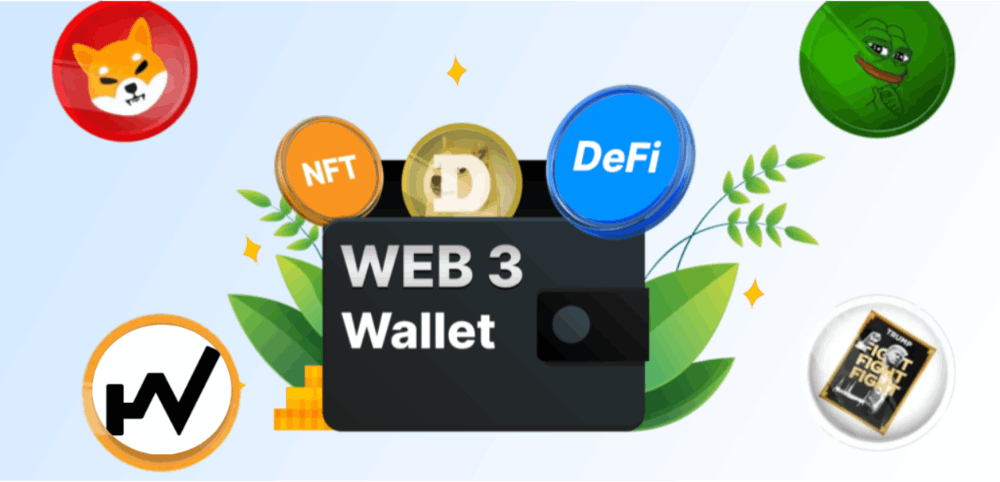
The first rule of Web3 safety is simple, never trust blindly. Scammers often create fake websites, impersonate well-known projects, and trick users into connecting wallets. Always double-check URLs before visiting a website and avoid clicking suspicious links shared in direct messages, emails, or random social media comments.
Use strong and unique passwords
for exchanges and enable two-factor authentication (2FA) whenever possible. Keep your devices updated and avoid installing unknown browser extensions, as some may steal wallet information. Most importantly, never share your private keys or seed phrase with anyone. No legitimate project or support team will ever ask for them.
What to Check Before Connecting and Signing Your Wallet.
Connecting your wallet to a site or decentralized application (dApp) may seem harmless, but signing transactions without reading them carefully can be dangerous.
Before connecting your wallet
♦️Check the website URL and ensure it is the official one.
♦️Check if the project has official social media channels and active communities.
♦️Avoid connecting your primary wallet to unknown platforms.
♦️Before signing any transaction, Read what permission you are giving.
♦️Be cautious if the transaction requests unlimited token access.
♦️Watch out for vague or suspicious messages asking you to sign without explanation.
Many wallet drainers work by tricking users into signing malicious approvals. One careless click can result in losing your assets.
What Is a Burner Wallet and Why Do People Use It?
How to Create a Burner Wallet Step by Step.
Install a wallet app such as MetaMask or another trusted wallet. Create a new wallet separate from your main one. Save the seed phrase securely and offline.
Transfer only a small amount of crypto needed for transactions. Use this wallet for testing new dApps or unknown projects. Never store large holdings in a burner wallet.
How to Check If a Site or Project Is Legit. Before interacting with any project, do basic research , like
♦️A professional website with consistent branding.
♦️Verified social media accounts and active engagement.
♦️Clear documentation or a whitepaper explaining the project.
♦️Community discussions on platforms like Discord, Telegram, or X.
You should also search for reviews and warnings from other users. If multiple people report suspicious behavior, stay away. Common Red Flags of Scam Projects Scam projects often follow predictable patterns. Be careful if you notice: Anonymous teams: While anonymity exists in crypto, completely hidden teams with no repCopied Websites.
Fake sites often imitate popular projects to steal wallet access. Fake urgency , Messages like “Act now or lose rewards” are designed to pressure users into making rushed decisions. Too-good-to-be-true rewards , Guaranteed profits, massive airdrops, or unrealistic returns are major warning signs. If something feels suspicious, trust your instincts and investigate further before interacting.
When you connect a wallet to dApps, you often give permission for contracts to access tokens. Over time, forgotten approvals can become security risks, especially if a protocol gets hacked.
Revoking approvals removes unnecessary permissions and limits exposure. You can review and revoke permissions using trusted wallet management tools. Make it a habit to check approvals regularly, especially after using new or temporary dApps.
Final Thoughts.
Web3 offers exciting opportunities, but security should always come first. By using burner wallets, checking projects carefully, avoiding suspicious links, and regularly revoking wallet approvals, you can reduce risks significantly. In crypto, protecting yourself is not optional , it is essential. Stay informed, stay cautious, and always think twice before connecting or signing your wallet.
Thanks for your valuable time till here. like , upvote and leave comment for feedback.
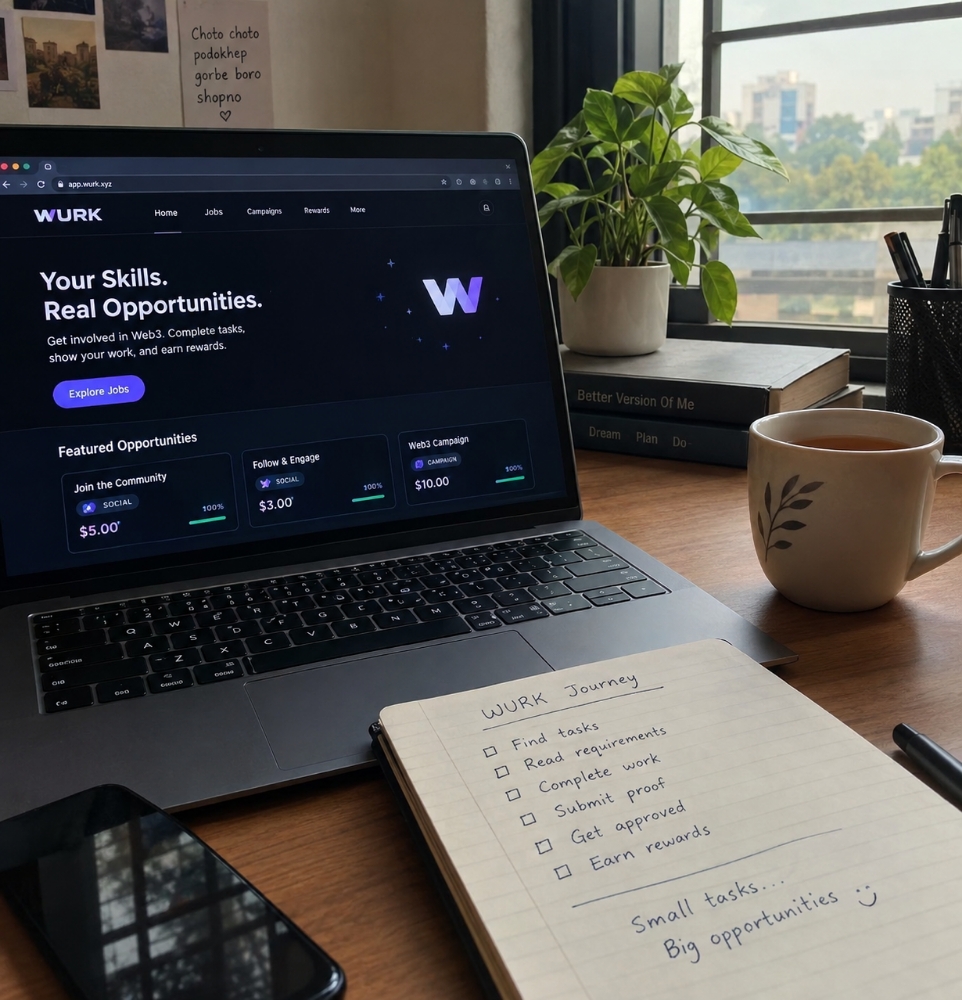
Note: The article also published on my Wurk.fun Wall.
Cheers,
Amjad