"Bridging in Crypto: What You Need to Know Before Moving Tokens"

When I first heard about bridging in crypto, I thought it simply meant “sending” my tokens from one blockchain to another.
But I later understood something important.
You do not actually move the same token across chains. You lock it on one chain and receive a version of it on another.
That changed how I see it.
Let me walk you through it the way I wish someone explained it to me.
What Is Bridging?
Bridging is the process of moving your assets such as tokens, stablecoins, and sometimes NFTs from one blockchain to another.
For example:
i)Moving ETH from Ethereum to Arbitrum to pay lower gas.
ii) Moving USDT from Ethereum to BNB Chain to use a specific DeFi platform.
iii) Moving tokens from Polygon to Avalanche for farming opportunities.
Blockchains do not naturally communicate with each other, so bridges act as connectors.
Why Do You Bridge?
Most of us wonder why we must bridge and what we gain from it.
Here is what actually happens:
i) Your token is either locked or burned on Chain A.
ii) A corresponding token is either minted or released on Chain B.
So technically, you now hold a representation of your original asset on the new chain.
Step by Step Procedure on How to Bridge Your Assets
Here is how I personally approach it.
1) Confirm why I should bridge.
Before I click anything, I ask myself:
a) Why am I moving this asset?
b) Is there a cheaper alternative?
c) Is it worth the gas fee?
Sometimes, the gas fee alone makes the move unnecessary.
2) Use official bridges.
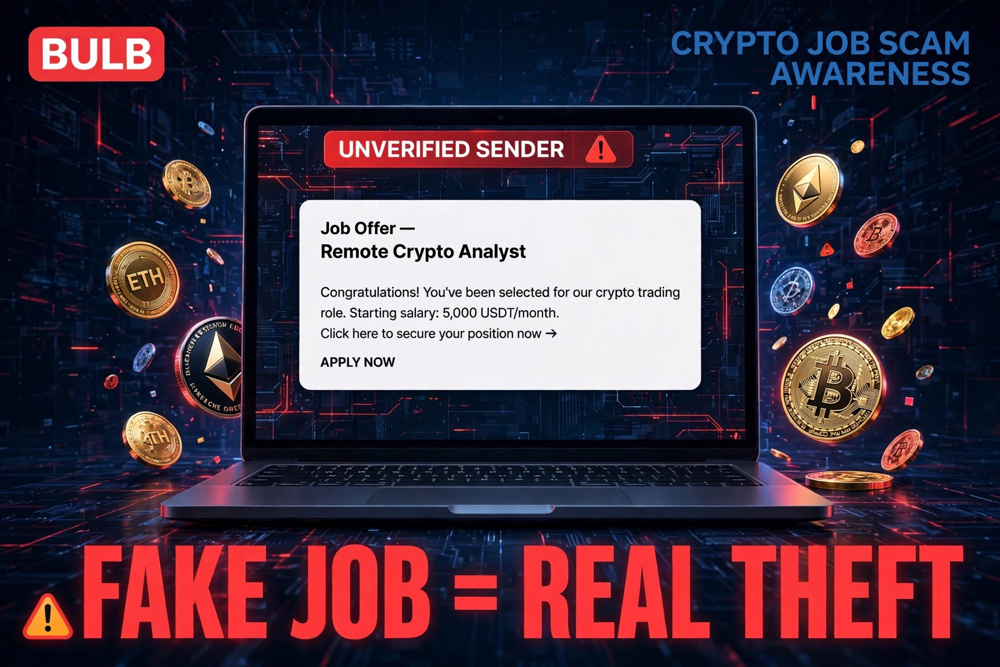
It is very important to use official bridges to avoid scams.
How?
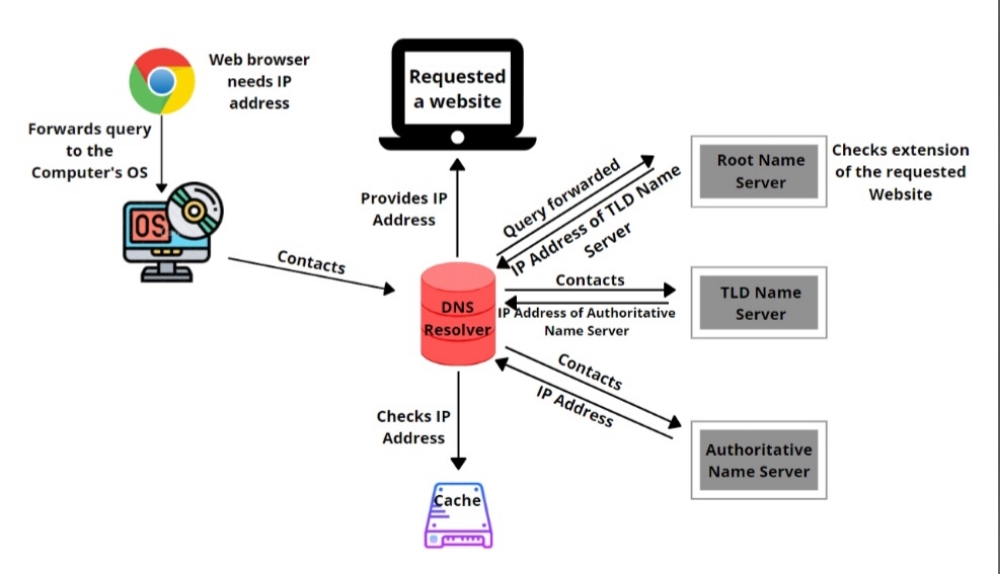
a) Manually search for the official website.
b) Double check the domain spelling carefully.
3) Start small.
There is nothing wrong with testing the bridge using a small amount.
If something goes wrong, the loss is minimal. If everything works well, you can proceed with the full amount.
4) Carefully review the fees.
There are certain fees you may need to pay, so review them properly.
* You may have to pay:
* Gas fee on the source chain
* Bridge protocol fee.
Gas fee on the destination chain
If I am bridging from Ethereum, I check gas first. If it is high, I wait.
5) Double check the network.
Before confirming, ensure that:
* Your wallet is on the correct source network.
* The destination network is properly selected.
* The token version is supported on the destination chain.
One wrong network selection can delay or complicate the process.
Also, remember that bridging may take some time to complete. Exercise patience.
Warnings to Consider
Bridges have been major targets for hacks in crypto.
Avoid the following:
i) Do not bridge your entire portfolio at once.
ii) Do not use new or untested bridges.
iii) Do not approve unlimited token spending without checking.
iv) Do not send tokens directly to another chain address without using a bridge.
Best Practices I Follow When Bridging
I) I test with small amounts first.
II) I bookmark official bridge websites.
III) I revoke unnecessary token approvals afterward.
IV) I avoid bridging during high network congestion.
V) I use extra caution for large transfers.
Bridging is powerful, but it is not something to do carelessly. Once you understand that you are locking assets on one chain and receiving a representation on another, you begin to approach it with more awareness.
Take your time to verify everything and endeavour to start small.
In crypto, protecting your capital is more important than chasing opportunities.