45 years old and Not Giving Up: How Driving a Motorcycle Taxi Led Me to the Blockchain

The Invisible Expiration Date
In my country, turning 45 feels like hitting an invisible wall. In the traditional job market here, this age is often deemed "too old" or "unproductive" for factory labor or officer in a company. The system ready-made an expiration date for my career.
So,to feed my family and survive, I hit the asphalt every single day. I became an online motorcycle taxi driver (usually called as an ojol in local language). It is a grueling job, demanding hours of weaving through chaotic traffic under the scorching sun or pouring rain.
Turning Wait Time into Learning Time
When you are a driver, you spend a lot of time waiting. You wait at roadsides, under bridges, or outside restaurants for the next order to ping on your phone. Most people pass this dead time by scrolling through short, reels videos,and stalking and comment on their social media.
I decided to choose a different way. I refused to let my circumstances define my cognitive ceiling.
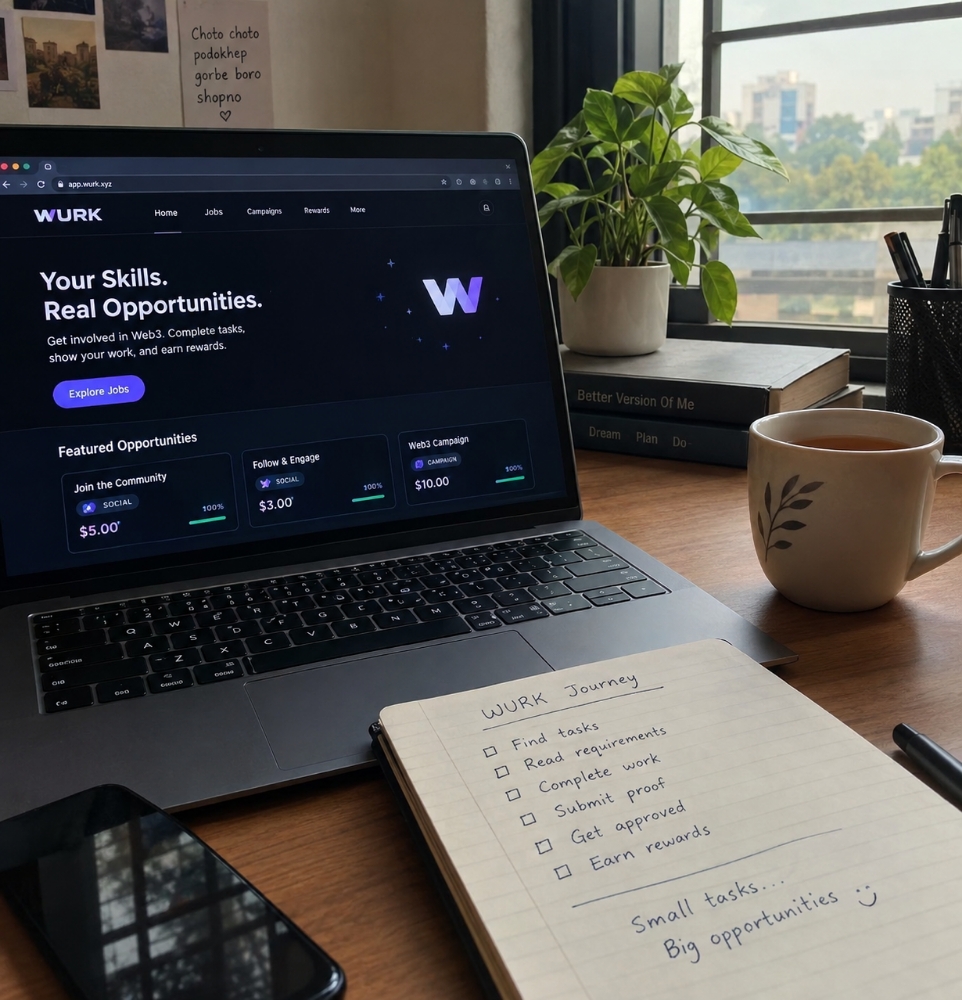
During those quiet gaps between rides, instead of watching entertainment, I opened my phone to learn. I stumbled upon Web3 and blockchain education. While sitting on my motorcycle seat, I started studying on BitDegree,this the link https://stude.co/a/MYsBEqTDeCvNPuNo
AM I just learning on the streets? No, Every night, when I arrived home with an aching body, I opened my notes to dive what I had gathered during the day.
My Proof of Work
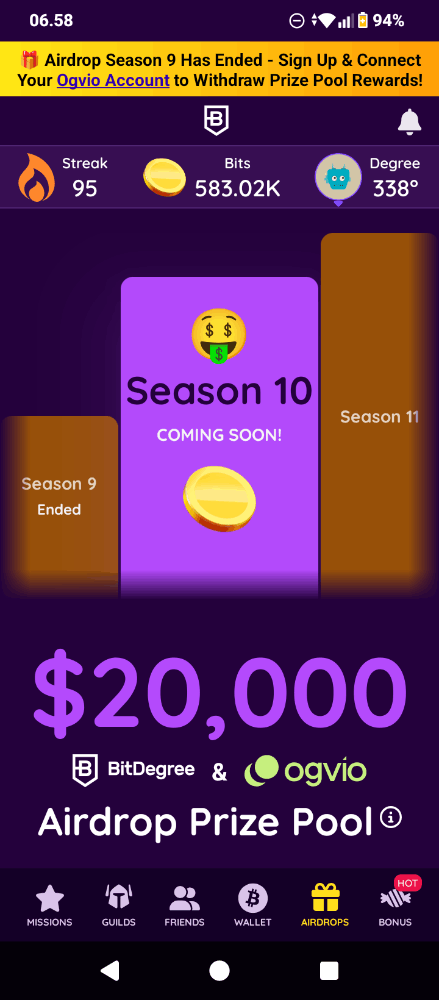
People might think an older driver cannot grasp complex cryptographic concepts. But consistency beats skepticism. Here is my current progress on BitDegree:
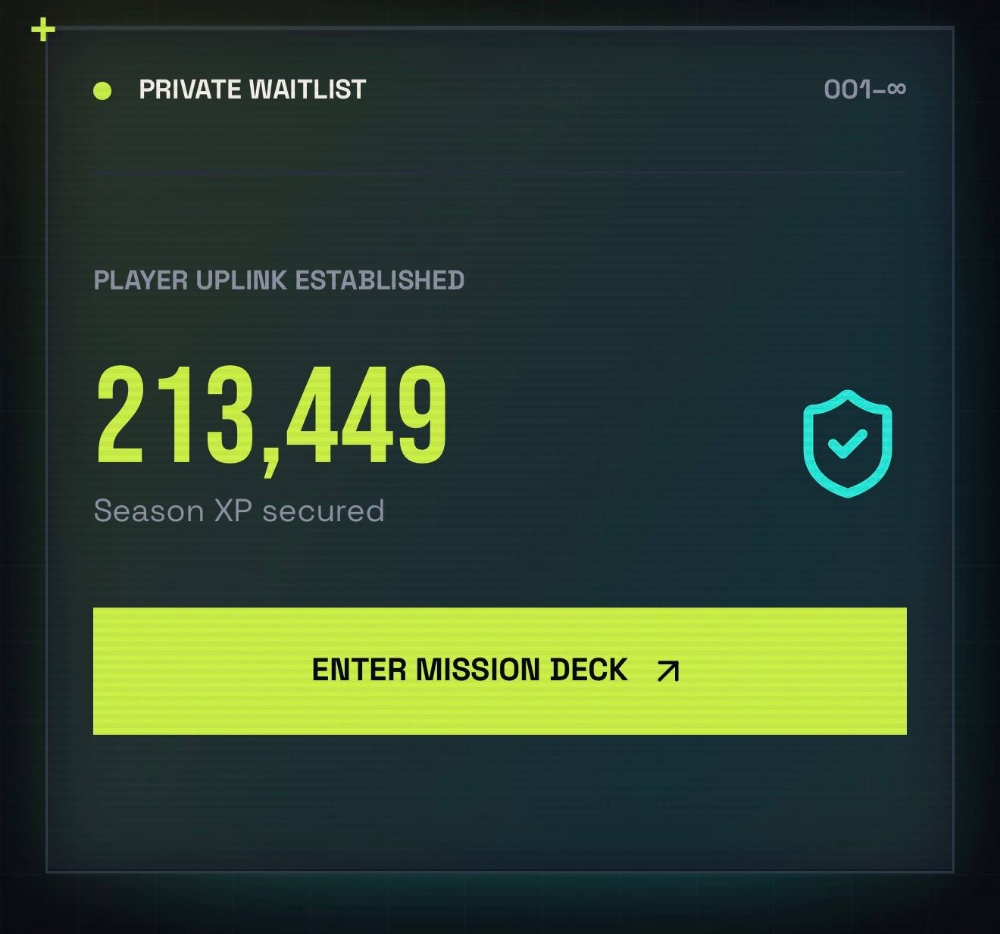
· 95-Day Learning Streak: I have not missed a single day of learning for over three months.
· 583K+ Bits Collected: A testament to the lessons mastered and tests passed.
· 338° Degree Level: Moving forward step-by-step into the ecosystem.This is my "Proof of Work." It is a visual reminder that age is just a number when it comes to curiosity.
What Comes Next?
I have been meticulously summarizing everything I learn into a Word document. I have chronicled my journey from Day 1—breaking down what a blockchain actually is, demystifying Litecoin, understanding NFTs, and exploring Real World Assets (RWA).
This article is the prologue. From now on, I will be publishing my daily study notes here, translated from my native language into English. I am writing this to show other everyday workers around the globe that it is never too late to learn the future.
If a 45-year-old taxi driver can understand the blockchain from the side of the road, so can you. Welcome to my Web3 learning journal
And this is the first one I learn about :
Centralization vs. Decentralization: The Core Battle of Web3
Let's learn together!
The shift from Web2 to Web3 is not just a technological upgrade; it is a fundamental shift in power. To truly understand cryptocurrency, we must examine the friction between two structural models: Centralization and Decentralization. These models dictate how our data is stored, how our money is moved, and who ultimately holds the key to our digital sovereignty.
Understanding Centralization
Centralization is a system where decision-making power and authority are concentrated within a single entity or a small, closed group.
In our daily lives, we interact with centralization constantly. Traditional banks, government institutions, and tech giants operate this way. In the crypto space, Centralized Exchanges (CEXs) like Binance or Coinbase function similarly. You deposit your funds into their platform, and they act as the intermediary to facilitate your trades.
· The Upside: Centralized platforms are convenient, fast, and offer customer support if you lose your password.
· The Risk: You do not truly own your assets. If the exchange goes bankrupt, gets hacked, or decides to freeze your account due to regulatory pressure, you lose access to your money.
Enter Decentralization
Decentralization flips the script. It distributes power, control, and decision-making across a vast network of independent participants (nodes), completely removing the need for a middleman.
Decentralized networks rely on blockchain technology and smart contracts to ensure transparency and trust. When you trade on a Decentralized Exchange (DEX) like Uniswap or PancakeSwap, you connect your personal crypto wallet directly to the protocol. The trade happens peer-to-peer via code, not through a corporate entity.
· The Upside: Unmatched security, resistance to censorship, and absolute control over your funds.
· The Risk: There is no "Forgot Password" button. The learning curve is steeper, and the user is 100% responsible for their own security.
The Core Differences at a Glance
Feature
Centralization (CEX / Banks)
Decentralization (DEX / Blockchain)
Control
Governed by a single entity
Distributed among network participants
Trust Model
Requires trust in a third party
Trustless (relies on cryptographic proof)
Privacy
Requires identity verification (KYC)
High privacy (wallet-based interactions)
Speed
Very fast execution times
Can experience latency due to network consensus
Which Model Wins?
There is no absolute winner; it depends entirely on user needs. Beginners often prefer centralized platforms for their ease of use, while Web3 veterans lean toward decentralized solutions for autonomy and security.
As the industry matures, the future will likely belong to hybrid models that combine the accessibility of centralized user experiences with the unyielding security of decentralized backends.
In my next article, I will break down the literal backbone that makes this decentralization possible: Peer-to-Peer (P2P) Networks. Stay tuned on next part of my journey....