The Real-World Asset (RWA) Revolution: Transforming Global Capital
Introduction: The Great Convergence
When I first began studying financial markets, I was always struck by their inertia. The world was rapidly digitizing, yet the fundamental assets that underpin the global economy—real estate, gold, debt obligations—remained locked within outdated systems. We live in an era where one can send money to any corner of the globe in seconds, but to transfer property rights for an apartment or buy a share in a commercial object, one must still wait for weeks, sign stacks of paper documents, and pay an army of intermediaries.
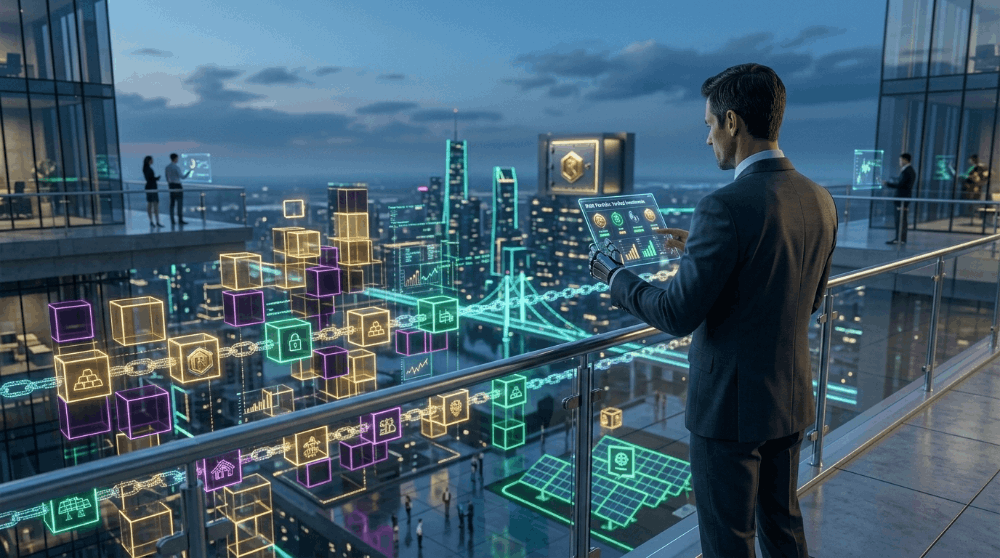
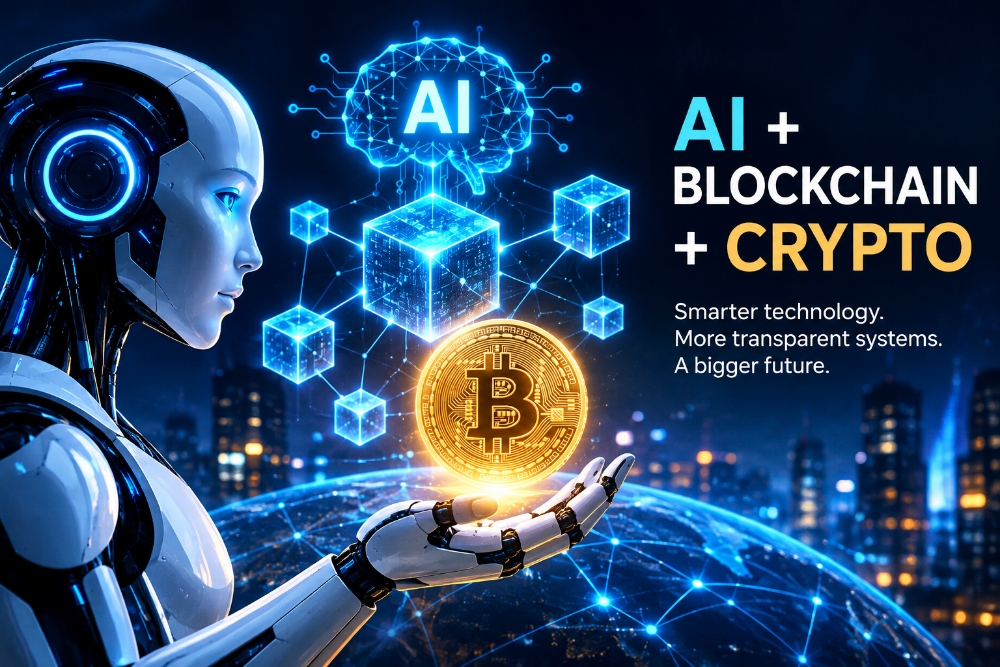
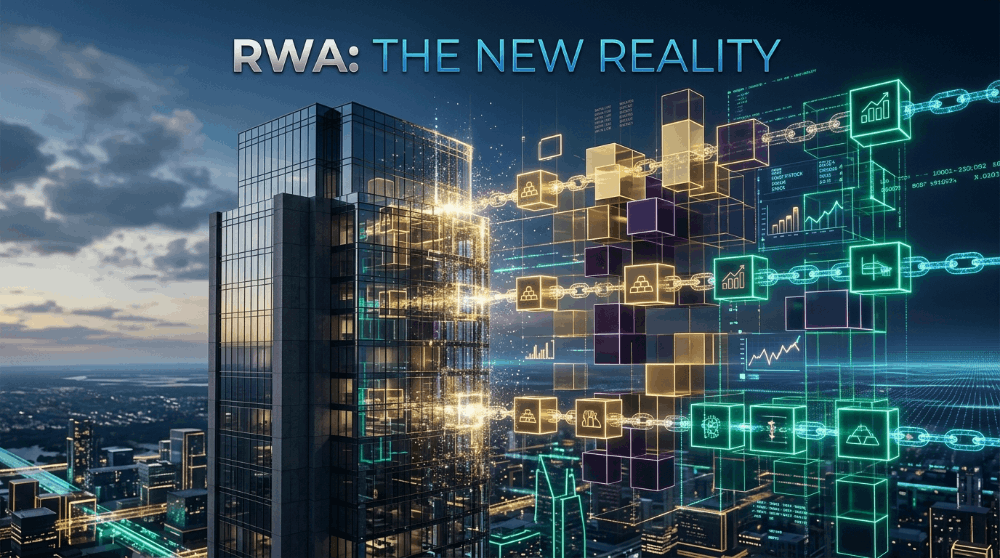
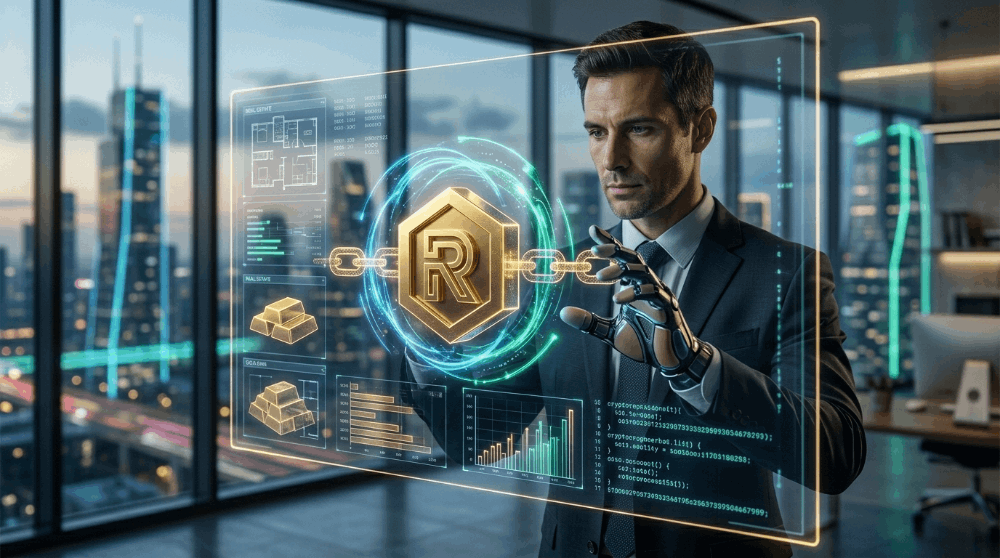
This "slow" state of physical assets has become the primary constraint for capital in the 21st century. But now, we are on the threshold of a colossal shift known as the tokenization of Real-World Assets (RWA). For me, this is not just a technical trend—it is a great convergence, where traditional finance (TradFi) finally gains the speed, transparency, and efficiency of decentralized networks. RWA is a bridge between the reliability of the physical world and the power of the blockchain, changing the rules of investing for every one of us.
Chapter 1: The Mechanics of Tokenization – Creating a Digital Twin
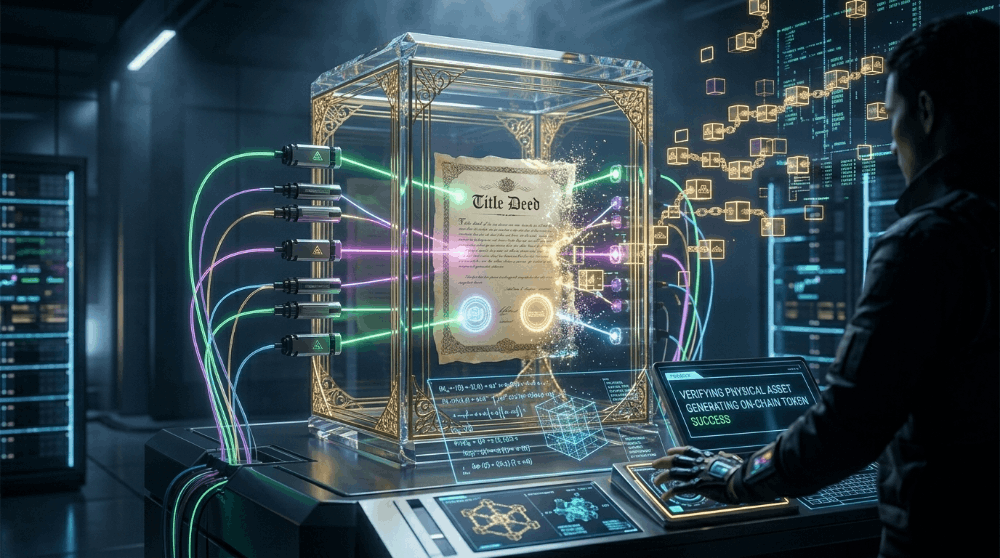
Many still perceive tokenization as simply creating an "image" on the blockchain, but this is a profound misconception. Technically, tokenization is the issuance of a digital token (most often of the ERC-20 standard or specialized security standards) that is legally and economically tied to an underlying real asset.
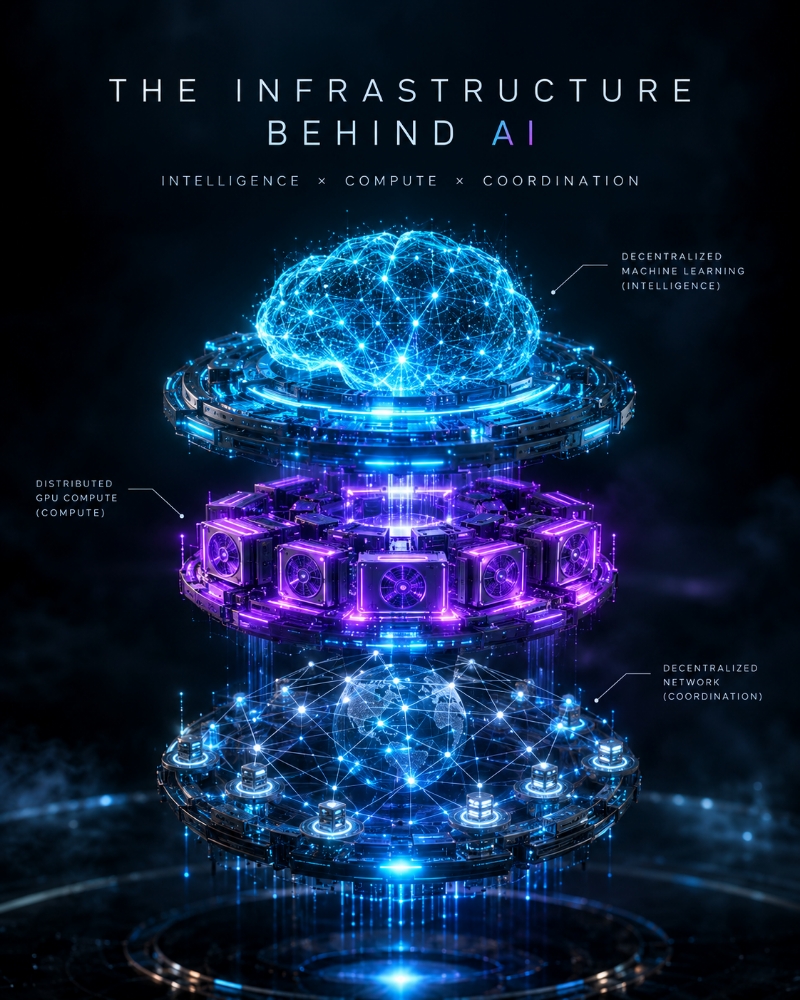
The key to understanding this process lies in the structure of the "digital twin." For a token to have value, it must be supported by a legal structure—most often a special purpose vehicle (SPV). This entity owns the physical asset, and the tokens we hold in our wallets represent participation shares in that SPV. Oracles play a crucial role here—decentralized services that "connect" reality to code. They transmit data about the asset's market price, audit results, or ownership confirmations directly into the smart contract. As a result, the blockchain ceases to be just a database; it becomes a guarantor of obligations. If the contract states that the token holder receives rent, the smart contract will execute this condition automatically, without the need to call a bank or a real estate agent. It is this automation that makes RWA a fundamentally new investment instrument.
Chapter 2: Real Estate – From Elitism to Fractional Ownership
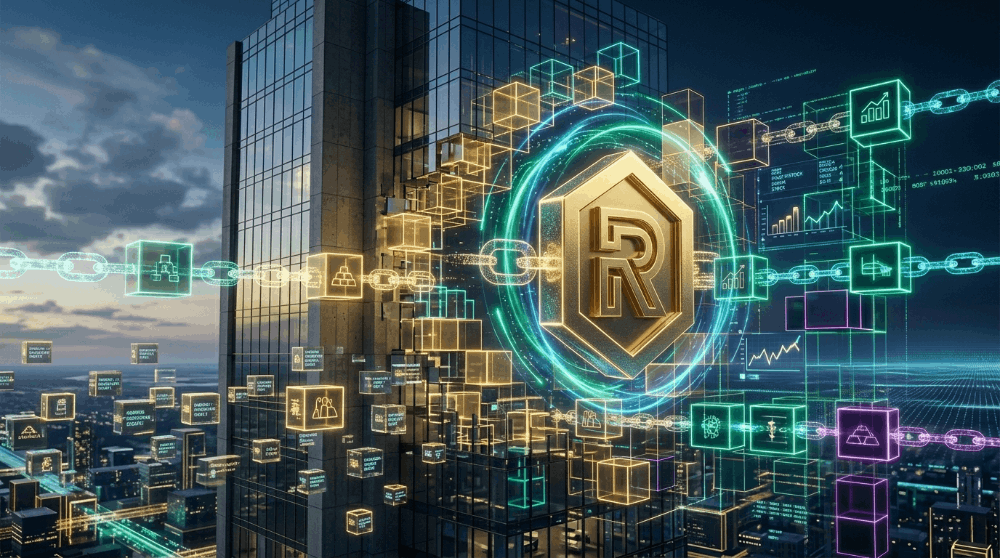
When I analyze the real estate market, I see one of the most conservative and regulated spheres. Traditionally, entering this market required vast capital and months to process transactions. RWA completely flips this logic through the mechanism of fractionalization.
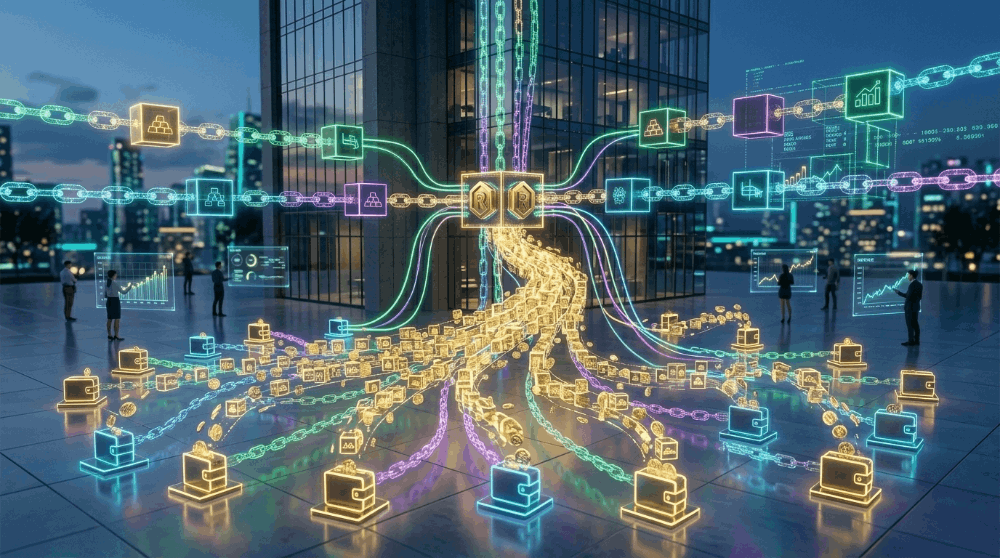
In my investment practice, real estate has always been the most difficult asset due to low liquidity levels. Now, when a commercial building is tokenized, it is divided into thousands or millions of digital shares. I can own "square centimeters" of an office center in the heart of London or a warehouse in New York. The smart contract acts as an automatic manager: it collects rent from real tenants and distributes it among all token holders proportionally to their share. This transforms real estate from "passive stone" into an income-generating asset that works 24/7. Liquidity here is achieved through the global nature of the market—I can sell my share to anyone in the world via a decentralized exchange, without waiting years for a buyer for the entire object.
3: Gold and Precious Metals – Transparency Instead of "Paper" Promises
Many are accustomed to investing in gold through ETFs or "metal accounts" at banks. But I have always wondered: do I truly own gold, or just an entry in the database of a bank that might face liquidity shortages?
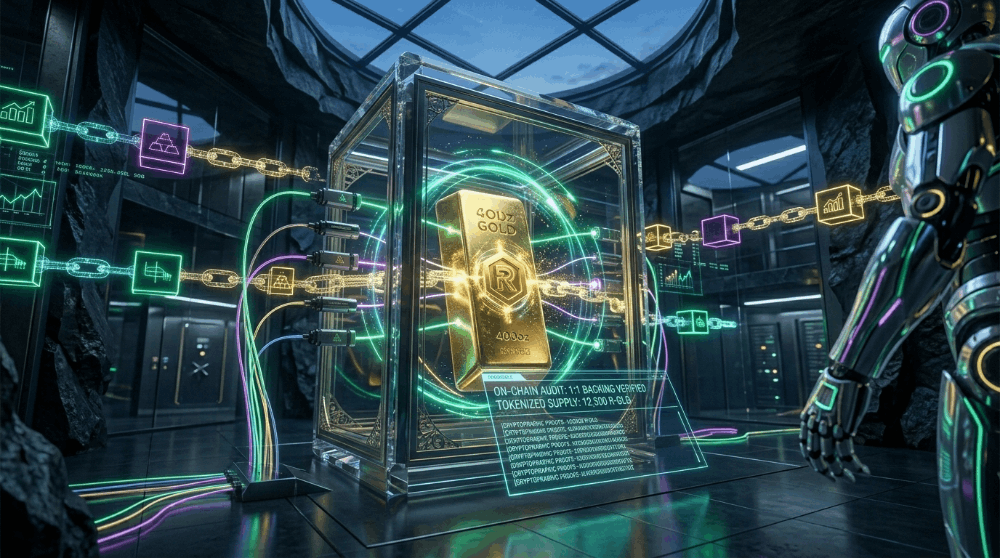
Tokenized gold represents a radically different level of trust. When implemented correctly, every token is backed by real physical bullion stored in a certified vault. Audits here do not happen once a year, but in real-time—thanks to oracles and on-chain Proof of Reserves, I can verify at any second that the gold in the vault corresponds to the amount of issued tokens. This eliminates counterparty risk. I am not dependent on the solvency of one specific bank; I own a digital certificate of ownership for a physical asset, protected by cryptography. This returns gold to its roots—as a reliable "safe haven"—but with the convenience of a digital asset.
Chapter 4: Corporate Stocks and Debt Obligations
The most interesting direction for me has become the implementation of Treasury Bills (T-Bills) in DeFi. Why is this important? Because previously, if you held stablecoins, they simply lay "dead weight," earning zero percent. Now, institutional protocols allow the packaging of government bond yields into a token that can be used within decentralized finance.
Tokenizing company shares also brings colossal benefits. Issuers gain access to global capital, bypassing the complex and expensive infrastructure of stock exchanges. The reduction in underwriting and compliance costs makes issuing securities accessible even to medium-sized businesses. For the investor, this means the ability to create complex investment strategies with instant settlement (T+0 instead of the standard T+2), which frees up capital and reduces operational risks.
Chapter 5: Infrastructure Challenges and Risks – A Sober Look
Despite my optimism, I cannot ignore the risks. The main problem is the legal link. What happens if the issuing company goes bankrupt? The token itself is not a physical building; it is merely a claim right. Without perfect legislation that recognizes blockchain records as legally significant, investors remain in a "gray zone."
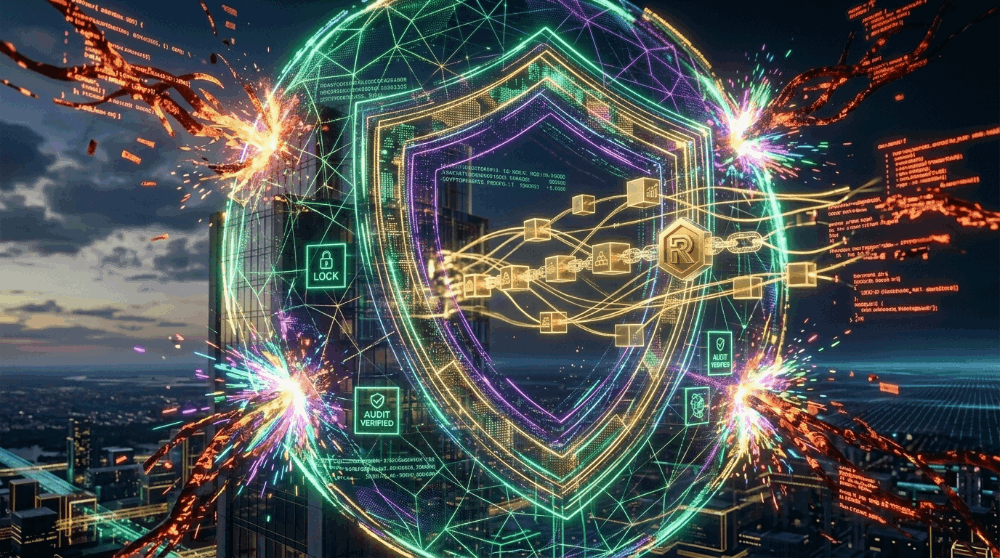
Technical risks of smart contracts are a separate story. If there is a bug in the code, all assets can be frozen. Regulation in different countries also progresses unevenly: some authorities actively support RWA, while others try to suppress them with old rules. This is precisely why the role of high-quality providers, who conduct regular audits and ensure the transparency of all processes, is critically important now.
Chapter 6: The Philosophy of the Future – The World as a Liquid Asset
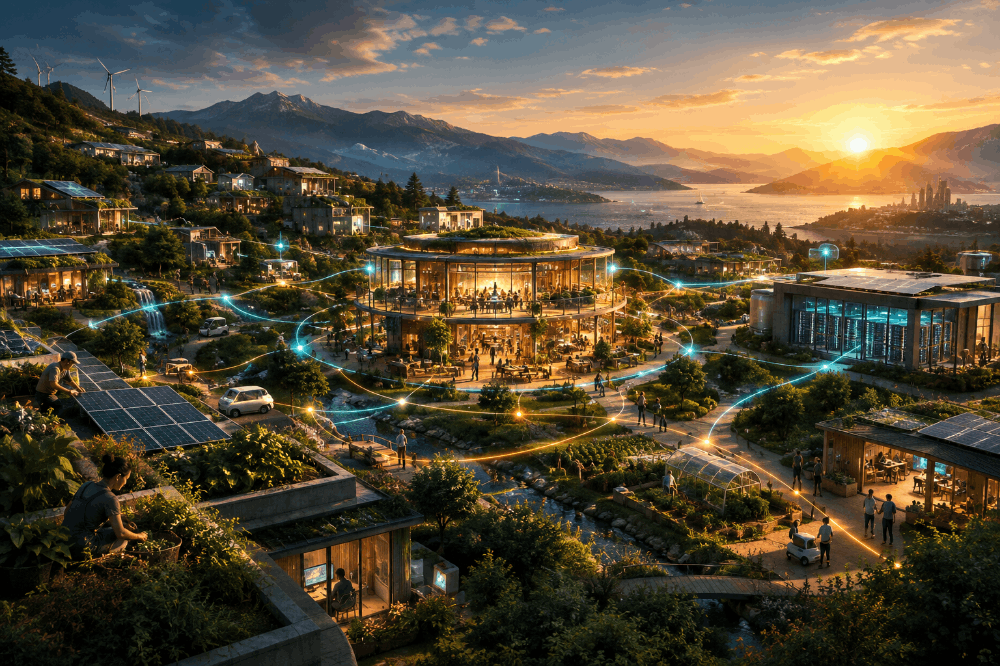
I view the development of RWA as the evolution of the very concept of value. We are moving into a world where practically any asset with value will have its own "digital twin." Masterpieces by great artists, intellectual property, industrial plants—all of this will become accessible for investment with a few clicks.
We are building a financial system where the boundaries between assets are blurred. It does not matter whether you are buying gold or a share in a power plant on the other side of the planet—the experience will be equally simple. For me, RWA is not just an opportunity to earn; it is the democratization of access to capital accumulation tools that have been the privilege of a narrow circle of individuals for centuries
We are at the very beginning of the journey. When regulatory frameworks become clear and the infrastructure becomes invisible, we won't even call it "tokenization." We will simply invest, own, and manage assets in a global network. And in this new world, the advantage will belong to those who already understand how these mechanisms work and how they are changing the very fabric of our economy.
What are your thoughts on this? Do you believe RWA will become the new gold standard for global investing, or are the risks of regulation and technology still too high for mass adoption? Let’s discuss in the comments below.