BLOCKCHAIN EMPIRE
BLOCKCHAIN EMPIRE
In the rapidly evolving landscape of 2026, the term "Blockchain Empire" no longer refers just to a single successful cryptocurrency. It describes a sprawling, interconnected ecosystem where decentralized finance (DeFi), logistics, digital identity, and governance operate on an immutable backbone.
Building such an empire requires more than just code; it requires a strategic fusion of technology, economics, and community trust. Here is a detailed deep-dive into the architecture of a modern blockchain empire.
1. The Foundation:
Core Architecture
A true empire begins with its infrastructure. You aren’t just building an app; you are building the "rails" on which value moves.
Layer 1 (L1) Protocols:
These are the base layers (like Ethereum, Solana, or Cardano) that settle transactions. A "sovereign" empire often builds its own L1 or a highly specialized AppChain to control its economic destiny.
Interoperability:
In 2026, isolation is a death sentence. Successful empires use protocols like Polkadot or Cosmos to ensure their assets can move seamlessly across different networks.
Consensus Mechanisms:
Moving beyond energy-intensive Proof of Work, modern empires utilize Proof of Stake (PoS) or Proof of History (PoH) to ensure scalability, security, and environmental sustainability.
2. The Economic Engine: Tokenomics
A blockchain empire’s strength is measured by its internal economy. This is often referred to as Tokenomics—the science of token supply and demand.
Key Economic Pillars:
utility token
governance token
staking token
burning token
3. The Pillars of the Empire
To be considered an "empire," the project must have multiple, self-sustaining sectors:
DeFi Hubs:
Decentralized exchanges (DEXs) and lending protocols that replace traditional banking.
Digital Identity (DiD):
Providing users with a single, sovereign identity that works across all dApps, eliminating the need for traditional logins.
NFT & Real-World Asset (RWA)
Tokenization:
Digitizing everything from art and music to real estate and gold, allowing for fractional ownership.
DAO Governance:
Transitioning from a centralized "CEO" model to a Decentralized Autonomous Organization, where the "citizens" of the empire vote on the treasury and roadmap.
4. Challenges:
The Barbarians at the Gate
No empire is without its threats. For blockchain, these come in three forms:
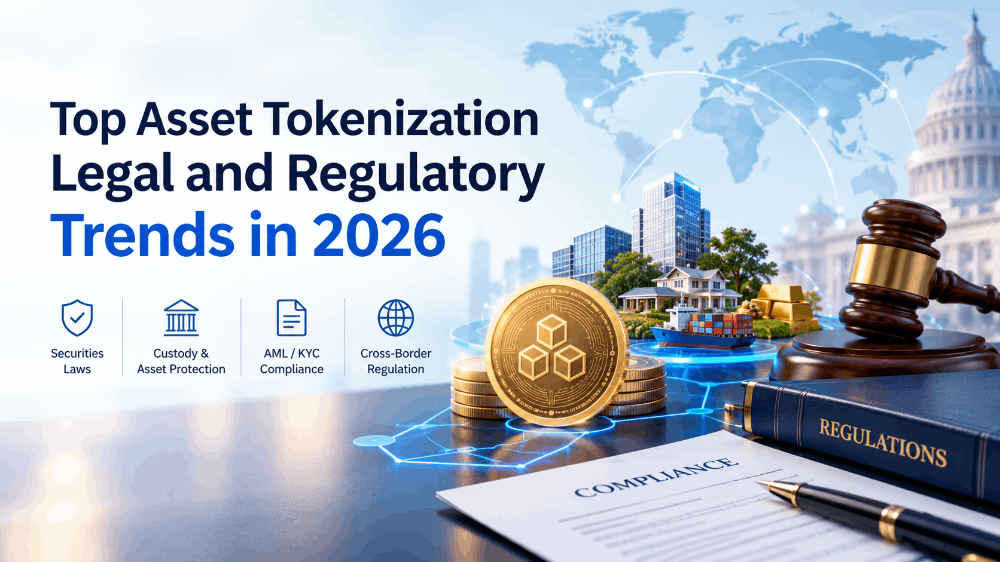
Regulatory Scrutiny: As of 2026, global frameworks (like MiCA in Europe) are tightening. Empires must be "compliant by design," integrating KYC/AML protocols without sacrificing decentralization.
Scalability Trilemma: The constant struggle to balance Security, Scalability, and Decentralization. Most empires solve this using Layer 2 (L2) rollups to handle high traffic.
Security Vulnerabilities: Smart contract exploits remain a primary risk. Constant third-party audits and "Bug Bounty" programs are mandatory for survival.
5. The Future: AI-Integrated Blockchains
The next frontier for the blockchain empire is the integration of Artificial Intelligence. We are seeing "AI Agents" that live on-chain, managing portfolios, executing trades, and even governing sub-sections of DAOs without human intervention. This creates a self-optimizing, 24/7 autonomous ecosystem.
Pro Tip: If you're looking to enter this space, don't just follow the hype. Look for projects with high "Developer Activity" on GitHub and a clear "Value Proposition" that solves a real-world problem—like supply chain transparency or cross-border payment friction.