Can Technology Help Treat Depression? Exploring Digital Mental Health Tools

Can Technology Help Treat Depression? Exploring Digital Mental Health Tools
Depression is one of the most common mental health conditions in the world, affecting millions of people regardless of age, gender, or background. While traditional treatments such as therapy and medication remain essential, technology is transforming the way people access mental health support. From mobile apps to artificial intelligence, digital tools are making treatment more accessible, affordable, and personalized than ever before.
The Rise of Digital Mental Health
The rapid growth of smartphones and internet connectivity has paved the way for digital mental health solutions. These tools are designed to support emotional well-being, monitor symptoms, and connect users with professional help. For people living in remote areas or those who struggle to access mental health services, technology can provide a valuable bridge to care.
Mobile Apps for Mental Wellness
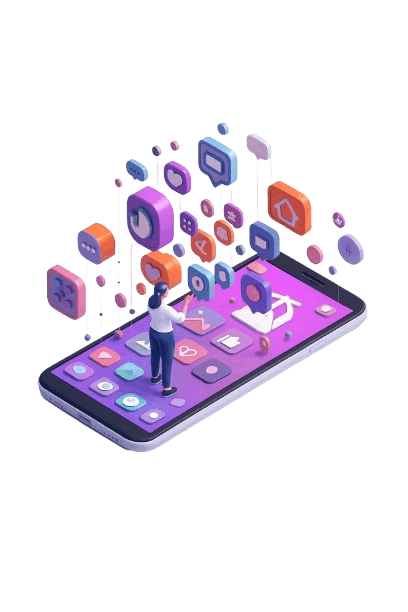
Mental health apps have become increasingly popular because they offer support at any time of day. Many include features such as mood tracking, guided meditation, breathing exercises, journaling, and cognitive behavioral therapy (CBT) techniques. By encouraging users to monitor their emotions and build healthy habits, these apps can complement professional treatment and help people better understand their mental health.
Online Therapy and Telehealth
Virtual therapy has made counseling more convenient than ever. Through secure video calls, phone sessions, or messaging platforms, individuals can receive support from licensed mental health professionals without leaving their homes. This approach reduces travel barriers, saves time, and makes therapy more accessible for people with busy schedules or limited local resources.
Artificial Intelligence in Mental Health
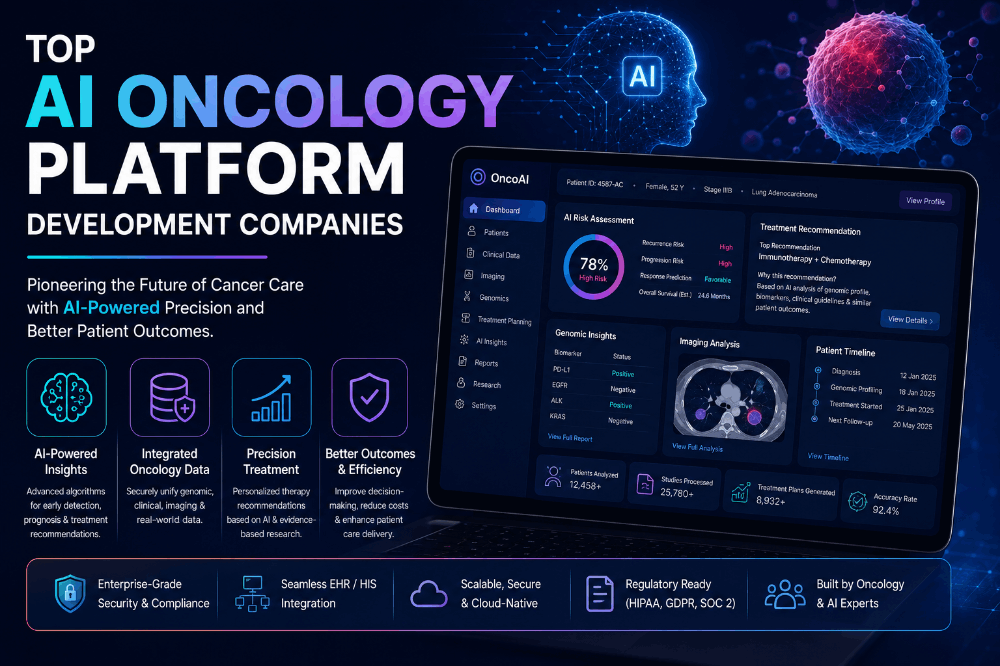
Artificial intelligence is beginning to play an important role in mental healthcare. AI-powered chatbots can provide immediate emotional support, guide users through coping strategies, and encourage them to seek professional help when necessary. While these tools cannot replace trained therapists, they can offer valuable support between therapy sessions and during moments when immediate assistance is needed.
Wearable Devices and Mood Tracking
Smartwatches and fitness trackers can monitor sleep quality, physical activity, heart rate, and stress levels.
Since changes in these factors are often linked to depression, wearable technology can help users identify patterns that affect their mental well-being. Some devices even send reminders to exercise, relax, or maintain healthy routines that support emotional health.
Benefits of Digital Mental Health Tools
Technology offers several advantages for people managing depression:
- Easier access to mental health resources.
- Greater privacy and convenience.
- Lower costs compared to traditional therapy in some cases.
- Continuous self-monitoring and progress tracking.
- Immediate access to coping exercises and educational materials.
These benefits can empower individuals to take a more active role in managing their mental health.
Limitations to Consider
Despite their potential, digital tools are not a complete solution. Severe depression often requires professional diagnosis and treatment. Privacy and data security also remain important concerns, as sensitive mental health information must be carefully protected. Additionally, not everyone has reliable internet access or feels comfortable using technology for healthcare.
The Future of Mental Health Technology
As technology continues to evolve, digital mental health tools are expected to become even more advanced. AI may help identify early warning signs of depression, virtual reality could support therapeutic treatments, and personalized digital care plans may improve recovery outcomes. Combined with traditional mental healthcare, these innovations have the potential to improve the lives of millions.
Conclusion
Technology is changing how people approach depression by making mental health support more accessible, flexible, and personalized. While digital tools cannot replace qualified healthcare professionals, they can serve as valuable companions in prevention, treatment, and long-term recovery. By combining innovation with compassionate care, society can create a future where mental health support is available whenever and wherever it is needed.