Pi network
Pi Network is a cryptocurrency project launched in 2019 that lets users "mine" its native token, PI, directly on mobile phones with minimal battery and energy use. It was founded by Stanford PhDs Nicolas Kokkalis and Chengdiao Fan, aiming to make crypto accessible to everyday people without expensive hardware.a03a79
Current Status (as of May 2025)
Open Mainnet launched on February 20, 2025 — This removed the "firewall," enabling external transfers, exchange listings, and real-world use.7918a5
PI token is now tradable on major exchanges (e.g., OKX, Gate.io, and others).
Current price: Approximately $0.18 USD (fluctuating; check live charts for latest).233a52
Market cap: Around $1.8–1.9 billion.
Circulating supply: ~10 billion PI (max supply 100 billion).e2e3be
Ranking: Top 50 cryptocurrencies by market cap.
The project emphasizes a large user base (tens of millions, with millions KYC-verified), mobile mining, and building a Web3 ecosystem with apps, utilities, and developer tools.329796
How It Works
Download the Pi Network app (available on Google Play and App Store).
Mine by tapping a button daily (it runs in the background securely).
Build Security Circles (trust connections) to increase mining rate.
Complete KYC for mainnet migration to make your PI transferable.
Use PI for peer-to-peer transactions, in-app purchases, or ecosystem dApps.
The blockchain uses a Stellar Consensus Protocol (SCP)-based mechanism for security and efficiency.a30745
Key Features & Ecosystem
Mobile-first and energy-efficient mining.
Focus on real utility, Web3 apps, and developer platform.
Recent/ongoing developments include smart contracts, DeFi features, game ecosystem investments, and integrations (e.g., ETF products in some regions).229b23
Community-driven growth with nodes and contributions.
Risks & Considerations
Like all cryptocurrencies, PI is volatile. It saw high initial hype post-launch followed by price corrections.
Success depends on adoption, utility development, and broader market conditions.
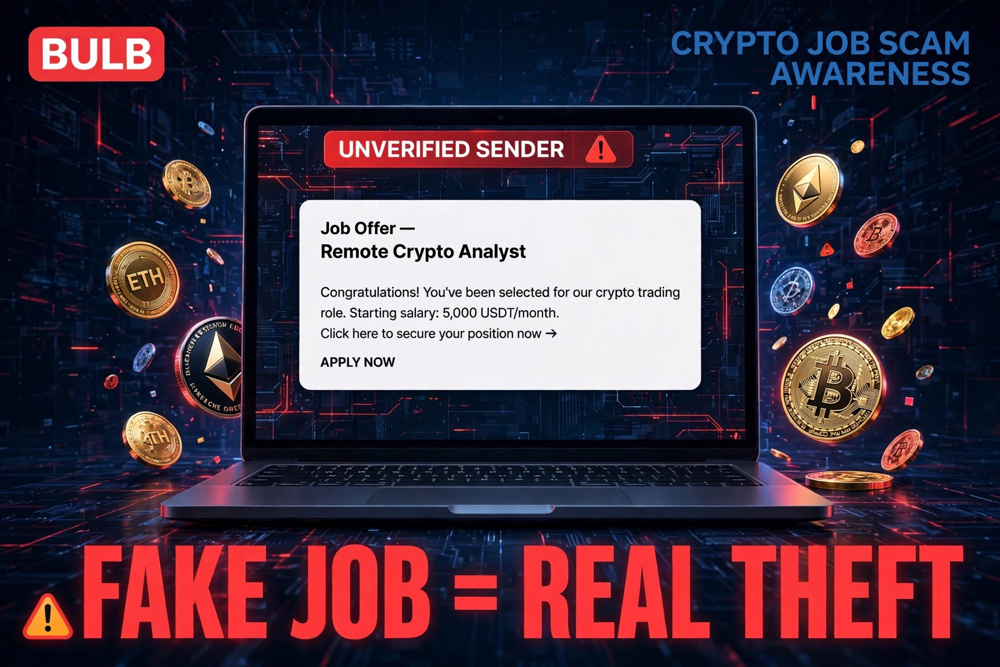
Always do your own research (DYOR), use official sources, and be cautious of scams.