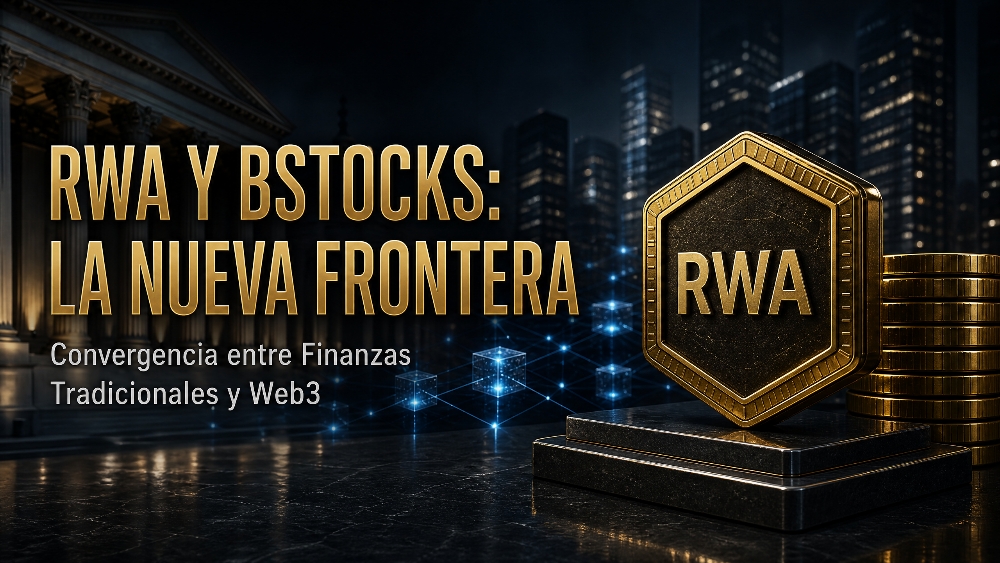
The Institutional Era of Crypto Has Begun
Crypto’s Institutional Era Has Officially Begun — Bitcoin ETFs, Tokenization, and the Future of Global Finance
The cryptocurrency market is undergoing a fundamental transformation compared to previous cycles that were heavily driven by speculation. What was once viewed as a separate industry dominated by retail traders is now becoming deeply integrated into the core infrastructure of global finance. Across the United States, Europe, Asia, and the Middle East, governments, banks, and asset managers are accelerating their involvement in digital assets at an unprecedented pace.
This shift is not being driven by hype or short-term market narratives. Instead, it is powered by regulation, institutional infrastructure, asset tokenization, stablecoin growth, Bitcoin ETF expansion, and the growing recognition that blockchain technology may play a central role in the next generation of financial systems. The market is no longer asking whether institutions will participate — but how large their role will become.
The Market Is Moving Beyond Speculation
For years, the crypto market was dominated by speculative trading and extreme volatility. Entire cycles were fueled by hype, influencer activity, and high leverage. While those dynamics still exist, the current environment is shifting as institutional players focus on infrastructure, compliance, and long-term integration rather than short-term gains.
This matters because institutional capital behaves differently from retail capital. Large financial firms do not chase short-lived narratives. They build systems: compliance frameworks, custody solutions, settlement infrastructure, and regulated investment products designed to operate over decades.
The rise of regulated products such as spot Bitcoin ETFs clearly reflects this transition. These instruments allow pension funds, wealth managers, and traditional investors to gain exposure to Bitcoin without directly handling private keys or using unregulated exchanges.
Bitcoin ETFs Have Reshaped Market Structure
The approval and expansion of Bitcoin exchange-traded funds represent one of the most significant structural shifts in crypto history. Bitcoin is increasingly being treated as a strategic macro asset within traditional investment portfolios.
This shift is important because ETF flows create sustained institutional demand, influencing liquidity and long-term price behavior. Unlike speculative trading, ETF allocations represent strategic capital decisions made by institutions managing billions of dollars.
Psychologically, Bitcoin is also transitioning from a “digital alternative asset” to a recognized macro financial instrument. While volatility remains, institutional participation is changing how regulators, governments, and markets perceive the asset.
At the same time, Ethereum and other blockchain ecosystems are gaining attention due to their role in tokenization and programmable financial infrastructure.
Tokenization Is Becoming a Major Financial Trend
One of the strongest institutional narratives in 2026 is asset tokenization. Financial institutions are actively exploring how real-world assets such as bonds, real estate, private credit, and commodities can be represented digitally on blockchain networks.
The value of tokenization lies in improving settlement efficiency, transparency, liquidity, and global access. Traditional financial systems still rely on fragmented infrastructure and slow settlement processes, while blockchain offers a more efficient alternative.
Banks, clearing institutions, and fintech companies are increasingly testing on-chain settlement systems and tokenized collateral frameworks. This is no longer theoretical — it is becoming operational.
Regulation Is No Longer a Barrier
A common misconception in crypto has been that regulation slows innovation. In reality, many institutions were waiting for regulatory clarity before deploying significant capital.
Today, governments across multiple jurisdictions are moving toward structured frameworks for digital assets, stablecoins, and tokenized securities. While approaches vary, the overall direction is toward integration rather than restriction.
For institutions, regulatory clarity is essential. It enables compliance, product development, and large-scale market participation within traditional financial systems.
Stablecoins Are Quietly Reshaping Digital Payments
While Bitcoin dominates headlines, stablecoins may have an even greater long-term impact on financial infrastructure. They are increasingly used for cross-border payments, settlement systems, liquidity management, and blockchain-based transactions.
Stablecoins combine blockchain speed with fiat stability, making them highly practical for businesses and financial institutions.
As adoption grows, governments and banks are also exploring central bank digital currencies (CBDCs) and private stablecoin frameworks as part of broader payment modernization efforts.
AI and Blockchain Are Converging
Another emerging trend is the convergence of artificial intelligence and blockchain technology. Decentralized AI networks, autonomous agents, machine-to-machine payments, and distributed compute systems are attracting increasing attention.
This combination extends blockchain beyond financial applications into broader technological infrastructure. It also opens new possibilities for automated economic systems and programmable digital interactions.
Geopolitical Implications Are Becoming Clearer
Crypto is no longer isolated from global politics. Governments increasingly recognize that digital assets and blockchain infrastructure can influence capital flows, payment systems, and financial competitiveness.
Some countries are positioning themselves as digital asset hubs to attract investment, while others are focusing on regulation and oversight. This global competition is accelerating legal and infrastructure development worldwide.
As a result, crypto is becoming increasingly intertwined with macroeconomic and geopolitical strategies.
Why Institutional Adoption Changes Everything
Institutional adoption is not just about price growth — it fundamentally changes market structure.
Institutions require regulated custody, audited systems, compliance frameworks, and transparent reporting. These requirements force the industry to mature beyond speculation.
At the same time, institutional participation improves legitimacy. When major banks, asset managers, and payment companies engage with blockchain systems, crypto becomes a recognized part of global finance.
What Investors Should Watch Next
The next phase of the market will be driven more by infrastructure than speculation. Key areas to monitor include:
- Expansion of Bitcoin and Ethereum ETFs
- Growth of real-world asset tokenization
- Stablecoin regulation and adoption
- Bank integration with blockchain settlement systems
- Tax and compliance frameworks for digital assets
- AI and blockchain integration
- Institutional custody and payment solutions
Conclusion
The crypto market is entering a new era defined by institutional integration, regulated infrastructure, and financial transformation. Banks, governments, and asset managers are no longer observing from the sidelines — they are actively shaping the ecosystem.
This shift is transforming not only technology but also global financial perception. Bitcoin ETFs, tokenization, stablecoins, AI integration, and blockchain infrastructure are all part of a broader movement toward institutional digital finance.
The question is no longer whether crypto will survive — but how deeply it will become embedded in the global financial system.
Disclaimer:
This article is for informational purposes only and does not constitute financial, investment, or legal advice. Always conduct independent research before making any investment decisions.