Top Asset Tokenization Legal and Regulatory Trends in 2026

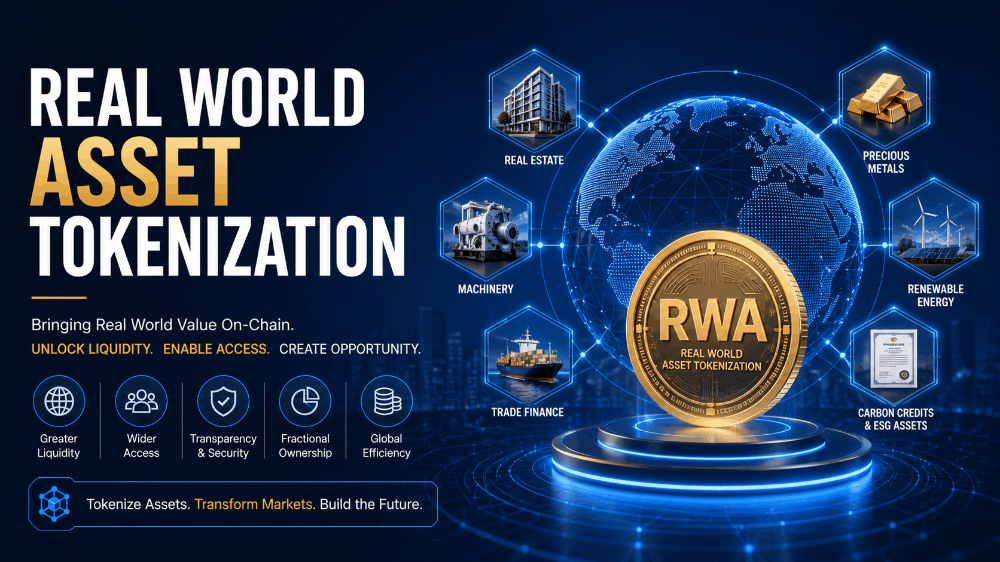
Asset tokenization is changing how businesses represent, manage, and transfer ownership interests in real-world assets. From real estate and bonds to private credit, infrastructure, and investment funds, blockchain technology enables eligible assets or associated rights to be represented digitally. This approach can improve recordkeeping, automate certain processes, and create new ways to distribute financial products.
However, tokenization does not remove the legal requirements associated with the underlying asset. A token representing shares, debt, fund interests, or contractual revenue rights may be subject to different rules depending on its structure and the jurisdictions involved.
Why Legal and Regulatory Compliance Matters in Asset Tokenization
Legal compliance is essential for establishing trust in tokenized asset markets. Although blockchain can provide transparent transaction records, it does not automatically establish legal ownership or guarantee that token holders can enforce their rights. Businesses must define what each token represents and how those rights are recognized under applicable law.
Key reasons compliance matters include:
- Investor protection: Clear disclosures help investors understand ownership rights, financial risks, fees, and exit conditions.
- Legal enforceability: Appropriate contracts and legal structures establish the relationship between tokens and underlying assets.
- Financial crime prevention: Know Your Customer (KYC) and Anti-Money Laundering (AML) procedures help identify customers and detect suspicious activity.
- Market credibility: Strong compliance processes can support confidence among institutional participants, service providers, and potential investors.
- Operational continuity: Meeting licensing, reporting, and recordkeeping obligations can reduce regulatory and business risks.
For businesses, compliance should be considered during product design, legal structuring, platform development, and ongoing operations — not simply before a token launch.
Top Asset Tokenization Legal and Regulatory Trends in 2026
1. Clearer Regulatory Frameworks for Tokenized Assets
One of the key asset tokenization legal and regulatory trends in 2026 is the development of clearer rules for blockchain-based financial products. Tokenization does not exempt assets from existing laws. A token’s legal classification depends on its characteristics, associated rights, and offering structure. Businesses should assess securities classification, licensing, disclosure requirements, ownership rights, and transfer restrictions before developing a tokenization platform.
2. Stricter KYC and AML Compliance Requirements
Know Your Customer (KYC) and Anti-Money Laundering (AML) procedures remain essential for tokenization platforms handling investments and regulated financial services. Platforms may need identity verification, sanctions screening, transaction monitoring, and enhanced due diligence, depending on applicable laws. Smart contracts can restrict transfers to approved wallets, but they cannot replace the broader legal and operational compliance process.
3. Increased Regulatory Attention on Tokenized Securities
Tokenized stocks, bonds, and fund interests may fall under existing securities laws. Using blockchain does not automatically change their legal classification. Businesses should evaluate registration requirements, investor eligibility, offering disclosures, resale restrictions, and reporting obligations before issuing tokenized securities. Aligning token structures with legally recognized investment rights helps protect investors and reduce regulatory risks.
4. Greater Focus on Investor Protection and Transparency
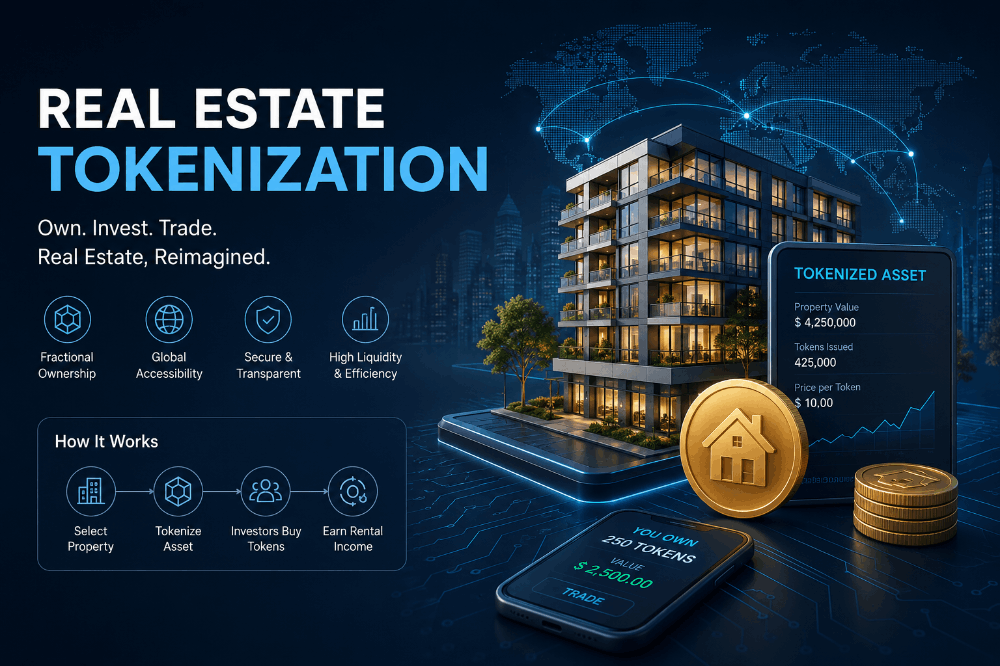
Investor protection is essential as tokenized financial products expand. Blockchain records do not automatically guarantee asset ownership, accurate valuations, or enforceable rights. Businesses should provide clear offering documents, risk disclosures, fee structures, distribution policies, and exit conditions. For tokenized real estate, platforms must explain whether investors hold direct ownership, company shares, fund interests, or contractual rights to income.
5. Cross-Border Compliance for Global Tokenization Platforms
Tokenized assets can reach international markets, but national regulations still apply. Requirements may differ according to the asset’s location, issuer structure, and investor residence. Businesses should assess jurisdiction-specific laws, licensing requirements, investor eligibility, marketing restrictions, and reporting obligations. Smart contracts can enforce certain transfer restrictions, but technical controls alone cannot establish legal compliance.
6. Stablecoin and Tokenized Payment Regulations
Stablecoins can facilitate token purchases, settlements, and income distributions. However, their use may involve payment regulations, reserve requirements, and licensing obligations. Businesses should assess transaction monitoring, redemption arrangements, tax treatment, settlement risks, and fiat conversion processes. They should also prepare contingency plans for stablecoin depegging, issuer disruptions, or restrictions affecting payments.
7. Stronger Custody and Asset Safeguarding Standards
Tokenization platforms must protect digital assets, private keys, and supporting ownership records. Important safeguards include secure key storage, multi-signature authorization, client asset segregation where required, disaster recovery, and incident response procedures. Businesses must distinguish between securing digital tokens and protecting the underlying asset or legal claim.
8. Smart Contract Audits and Technology Risk Management
Smart contracts automate token issuance, transfers, and distributions, but coding errors can cause financial losses. Businesses should implement independent security audits, access controls, secure administrative keys, emergency-pause mechanisms, and ongoing monitoring. Governance procedures should also define who can modify contracts, resolve disputes, or suspend transactions.
9. Regulatory Sandboxes and Supervised Tokenization Pilots
Regulatory sandboxes allow eligible businesses to test innovative financial products under defined conditions. These programs can help evaluate token issuance, settlement, custody, and compliance processes before wider deployment. Businesses should confirm eligibility, establish investor safeguards, document test results, and understand the requirements for operating beyond the pilot. Participation does not automatically exempt them from existing laws.
10. More Detailed Rules for Tokenized Funds and Real-World Assets
Different asset classes involve different legal requirements. Tokenized real estate may involve property and securities laws, while private credit may raise lending and debt-assignment issues. Businesses should evaluate ownership structures, contractual rights, licensing, valuation, investor eligibility, and distribution obligations. The legal documentation must clearly establish the rights represented by each token.
The Future of Asset Tokenization Regulation Beyond 2026
Asset tokenization regulation is likely to continue evolving as financial institutions, technology providers, and regulators gain experience with blockchain-based financial products.
Several developments may influence the next stage of adoption.
First, clearer guidance on tokenized securities and digital asset services could help businesses understand their obligations more consistently. However, differences between jurisdictions are likely to remain.
Second, compliance technology may become more integrated into tokenization platforms. Automated eligibility checks, transaction monitoring, reporting workflows, and permissioned transfers could help businesses manage regulatory obligations more efficiently.
Third, institutional participation may increase demand for stronger standards around custody, asset verification, governance, and operational resilience.
Finally, regulators may continue examining how tokenized assets interact with existing financial infrastructure, including payment systems, settlement networks, and traditional securities markets.
The long-term development of the market will depend not only on technical innovation but also on legal enforceability, investor confidence, and effective risk management.
Conclusion
The top asset tokenization legal and regulatory trends in 2026 highlight the growing importance of compliance in blockchain-based financial products. Securities regulation, KYC and AML procedures, investor protection, custody, smart contract security, and cross-border requirements all influence how businesses can issue and manage tokenized assets.
For companies developing RWA tokenization solutions, the most effective approach is to establish the legal structure first and then design the platform around the applicable requirements. This helps align token functionality with enforceable rights, transparent governance, and appropriate investor safeguards.