Crypto Marketing for RWAs: How Tokenized Assets Target Institutional Capital

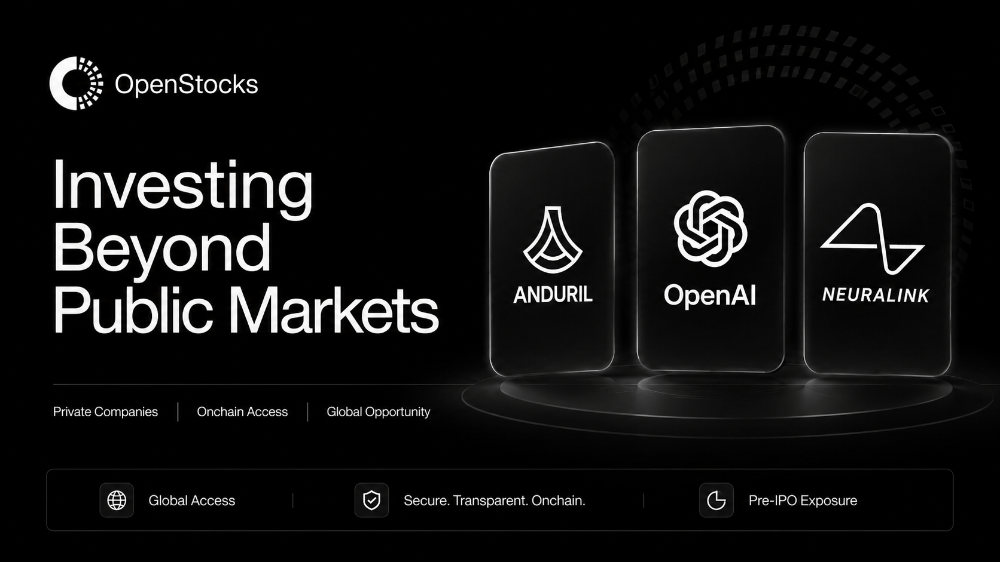
Real-world asset (RWA) tokenization is reshaping how traditional financial assets enter blockchain ecosystems. Assets such as real estate, private equity, bonds, commodities, invoices, and treasury securities are increasingly being represented as digital tokens, attracting institutional investors seeking greater liquidity, transparency, and operational efficiency. However, institutional adoption depends on more than innovative technology. A well-planned crypto marketing strategy is essential for communicating compliance, security, governance, and long-term value. Unlike retail-focused token campaigns, RWA marketing requires credibility, educational content, and trust-building initiatives that align with institutional investment standards.
Understanding the Rise of Real-World Asset Tokenization
Real-world asset tokenization converts ownership rights of physical or traditional financial assets into blockchain-based digital tokens. These tokens represent fractional or complete ownership while maintaining verifiable records on distributed ledgers.
Institutional investors increasingly view RWAs as an efficient way to modernize asset management, simplify settlement processes, and expand access to previously illiquid investments.
- Fractional ownership improves capital accessibility.
- Blockchain enables transparent ownership records.
- Digital settlement reduces operational delays.
Why Institutional Investors Are Interested in RWAs
Institutions evaluate investments differently from retail participants. Their priorities include regulatory compliance, operational transparency, governance standards, liquidity management, and long-term portfolio diversification.
RWA projects that successfully address these priorities position themselves as credible financial products rather than speculative crypto assets.
- Portfolio diversification reduces concentration risk.
- Tokenization improves operational efficiency.
- Transparent reporting strengthens investment confidence.
How Crypto Marketing for RWAs Differs from Traditional Token Marketing
Traditional token marketing often emphasizes community engagement, token utility, and rapid user growth. Institutional RWA marketing shifts the focus toward education, compliance, financial value, and measurable investment benefits.
Marketing campaigns must communicate how the tokenized asset integrates with existing financial systems while maintaining regulatory accountability.
- Focus on investment fundamentals.
- Prioritize regulatory communication.
- Highlight long-term business value.
Building Trust Before Promoting the Asset
Trust is often the deciding factor in institutional investment decisions. Marketing efforts should demonstrate that the project operates responsibly through audits, governance frameworks, legal documentation, and transparent operational practices.
Professional communication reduces uncertainty while helping investors understand how risks are managed throughout the asset lifecycle.
- Publish audit and compliance reports.
- Share governance structures openly.
- Maintain consistent communication channels.
Creating Educational Content for Institutional Audiences
Institutional investors expect detailed educational resources before making investment decisions. Educational content should explain token structures, legal ownership, custody mechanisms, valuation methods, and expected returns.
Educational campaigns build confidence while reducing misconceptions surrounding blockchain technology.
- Publish research-driven articles.
- Release industry-focused whitepapers.
- Organize educational webinars and discussions.
Demonstrating Regulatory Compliance Through Marketing
Compliance messaging should remain central throughout every marketing campaign. Institutions require clear explanations regarding licensing, KYC procedures, AML policies, custody arrangements, and jurisdictional requirements.
Transparent compliance communication strengthens investor confidence and reduces perceived legal uncertainty.
- Explain legal frameworks clearly.
- Highlight investor protection measures.
- Showcase compliance certifications.
Positioning Tokenized Assets as Portfolio Diversification Tools
Institutions often allocate capital based on risk-adjusted returns rather than market trends. Marketing should demonstrate how tokenized assets complement traditional portfolios while offering diversification opportunities.
Real-world data and market analysis strengthen positioning within institutional investment strategies.
- Compare traditional and tokenized assets.
- Present historical performance insights.
- Explain portfolio allocation benefits.
Establishing Thought Leadership Within Financial Markets
Institutional investors pay attention to organizations that consistently contribute valuable industry knowledge. Publishing research, participating in conferences, and sharing market insights positions projects as credible industry participants.
Thought leadership improves brand recognition while strengthening investor relationships.
- Publish quarterly market reports.
- Participate in financial conferences.
- Share expert industry commentary.
Using Data-Driven Marketing to Support Investment Decisions
Institutional investors rely on measurable information rather than promotional messaging. Marketing materials should incorporate asset performance metrics, market trends, transaction volumes, liquidity statistics, and valuation models.
Objective data supports informed investment decisions and increases campaign credibility.
- Present transparent performance metrics.
- Share market growth statistics.
- Publish independent research findings.
Strengthening Brand Credibility Through Strategic Partnerships
Partnerships with custodians, financial institutions, auditors, and technology providers reinforce project legitimacy. Institutions often evaluate ecosystem partnerships before considering investments.
Collaborative announcements strengthen confidence by demonstrating external validation.
- Highlight technology partnerships.
- Showcase financial collaborations.
- Feature independent audit providers.
The Importance of Institutional Public Relations
Public relations plays an essential role in shaping institutional perception. Coverage in respected financial publications improves visibility while reinforcing project credibility.
PR campaigns should focus on innovation, regulatory developments, business milestones, and strategic partnerships.
- Publish leadership interviews.
- Announce regulatory achievements.
- Share institutional adoption milestones.
Leveraging Events and Industry Conferences
Financial conferences create opportunities to meet institutional investors directly. Speaking engagements, networking sessions, and product demonstrations establish valuable professional relationships.
Face-to-face engagement supports long-term investor confidence beyond digital marketing efforts.
- Attend blockchain conferences.
- Participate in financial summits.
- Host executive networking sessions.
Account-Based Marketing for Institutional Outreach
Instead of broad advertising, institutional marketing benefits from account-based strategies that target selected investment firms, banks, asset managers, and family offices.
Highly personalized communication improves engagement with decision-makers responsible for investment allocations.
- Develop personalized outreach campaigns.
- Target qualified financial institutions.
- Build executive-level relationships.
Content Formats That Appeal to Institutional Investors
Professional investors consume content differently than retail audiences. Detailed reports, investment guides, market research, and executive presentations provide valuable information that supports due diligence.
High-quality educational resources increase engagement among institutional stakeholders.
- Produce investment research reports.
- Publish executive briefing documents.
- Create professional presentation decks.
Community Building Beyond Retail Audiences
Institutional communities differ significantly from retail crypto communities. Instead of focusing on memes or speculative discussions, professional communities prioritize market analysis, compliance updates, governance discussions, and financial insights.
Meaningful engagement strengthens long-term investor relationships.
- Organize investor roundtables.
- Host governance discussions.
- Share regular market updates.
Communicating Liquidity and Market Accessibility
Liquidity remains one of the most important considerations for institutional investors. Marketing campaigns should explain how tokenized assets improve market access, trading flexibility, and settlement efficiency.
Clear liquidity communication helps institutions evaluate operational advantages.
- Explain secondary market access.
- Present trading volume data.
- Highlight settlement improvements.
Showcasing Security and Custody Standards
Institutional investors require assurance that digital assets remain secure throughout ownership. Marketing should explain custody infrastructure, cybersecurity measures, smart contract audits, and risk management practices.
Security transparency directly influences institutional confidence.
- Describe custody solutions.
- Highlight smart contract audits.
- Explain cybersecurity frameworks.
Measuring the Success of Institutional Marketing Campaigns
Unlike retail campaigns focused on social engagement, institutional campaigns prioritize relationship quality, investor interest, meeting requests, qualified leads, and capital commitments.
Performance metrics help refine future marketing initiatives.
- Monitor institutional lead generation.
- Measure executive engagement.
- Evaluate investment conversion rates.
Supporting RWA Projects with Strategic Market Positioning
Organizations entering the RWA sector often require specialized expertise to position tokenized assets effectively within institutional markets. Blockchain App Factory supports projects by developing strategic marketing initiatives focused on investor education, credibility building, regulatory communication, and long-term ecosystem growth that align with institutional expectations.
- Develop institution-focused campaigns.
- Strengthen market positioning.
- Support long-term brand credibility.
Future Trends in Institutional RWA Marketing
Institutional participation in tokenized assets is expected to increase as regulations mature and financial infrastructure evolves. Marketing strategies will increasingly emphasize measurable performance, AI-powered investor insights, compliance automation, and cross-border investment accessibility.
Projects that adapt to these developments will be better positioned to attract institutional capital.
- Greater focus on compliance technology.
- Increased demand for investment transparency.
- Expansion of cross-border tokenized markets.
Conclusion
Real-world asset tokenization represents one of the most significant developments in digital finance, offering institutions new ways to access diversified investment opportunities with greater transparency and efficiency. Yet technological innovation alone is not enough to secure institutional participation. Effective crypto marketing must communicate regulatory readiness, operational reliability, governance quality, and measurable business value through education, research, partnerships, and consistent credibility. Projects that build trust while addressing institutional priorities will be better positioned to attract long-term capital as the RWA ecosystem continues to mature.