Beyond the Hype: What is DePIN and Why Should You Care?

Every time you stream a video, send a tweet, or store a photo in the cloud, you are relying on massive infrastructure. Giant data centers, sprawling cellular networks, and endless server farms keep the internet alive. Right now, a handful of trillion-dollar tech monopolies own almost all of it.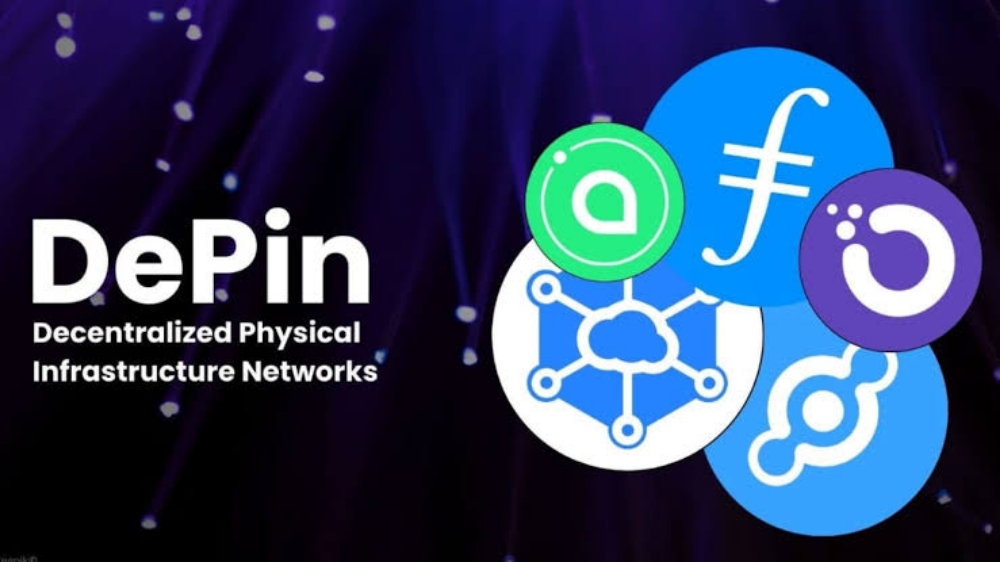
Crowdsourcing the Physical World
At its core, DePIN is about crowdsourcing physical hardware using blockchain technology. Instead of a single company spending billions to build a data center or a network of cell towers, a decentralized project incentivizes thousands of individual people to buy, host, and maintain hardware from their own homes.
Think of it as the Airbnb-ification of tech infrastructure.
If you have extra hard drive space, an idle graphics card, or even a panoramic view from your balcony where a weather sensor could go, you can connect that hardware to a DePIN network. In exchange for providing a service to the network—like storing data, processing AI models, or mapping local wireless coverage—you earn cryptocurrency rewards.
Why This is a Win for Everyone
For users and businesses looking to buy cloud storage or computing power, DePIN offers massive cost savings. Because these networks don't have to pay for massive corporate headquarters, thousands of employees, or traditional marketing, they can offer services at a fraction of the cost of legacy tech giants.
For individuals, it opens up a brand-new way to earn passive income by simply monetizing the digital assets and physical spaces they already own. It turns everyday consumers into active network owners, breaking the monopoly of big tech and distributing the value back to the community.