How to Build a White Label Real Estate Tokenization Marketplace in 2026

The real estate sector is in a state of digital revolution, and the introduction of tokenization is the driving force behind it. With blockchain-based property data tokens, businesses can enable fractional ownership of real estate, enhance the liquidity of assets, and appeal to a global investor base.
Creating a real estate tokenization marketplace from scratch, though, involves substantial investment, regulatory knowledge, and technical instruments. That's why numerous businesses are turning to white label real estate tokenization marketplace development and cut down on development expenses.
In this guide, we'll explore how to build a white label real estate tokenization marketplace in 2026, including key features, development steps, technology requirements, and business benefits.
What Is a White Label Real Estate Tokenization Marketplace?
A white label real estate tokenization marketplace is a pre-built platform that enables businesses to launch their own branded property tokenization ecosystem without building the infrastructure from scratch.
The platform typically includes:
- Property tokenization tools
- Investor onboarding
- KYC/AML verification
- Smart contract management
- Digital wallet integration
- Secondary marketplace functionality
- Compliance and reporting tools
Businesses can customize the platform with their branding, business logic, and regulatory requirements while significantly reducing time-to-market.
Why Real Estate Tokenization Is Growing in 2026
Real estate has traditionally been an illiquid asset class. Selling or investing in property often requires substantial capital and lengthy transaction processes.
Tokenization addresses these challenges by enabling:
Fractional Ownership
Investors can purchase small fractions of high-value properties rather than buying entire assets.
Improved Liquidity
Tokenized assets can be traded more easily on approved secondary marketplaces.
Global Investment Access
Investors from different regions can participate in property investment opportunities.
Reduced Administrative Costs
Blockchain automates ownership tracking, distributions, and compliance procedures.
Enhanced Transparency
Every transaction is recorded on a blockchain ledger, creating a transparent ownership history.
How Does a Real Estate Tokenization Marketplace Work?
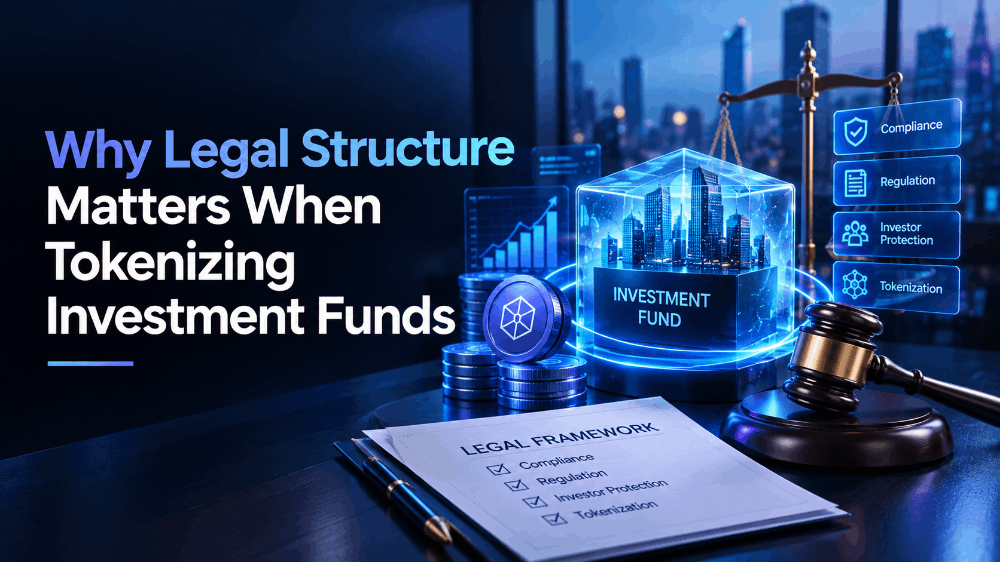
Legal Structuring
The first step in tokenizing a property is to ensure that it is housed in a legal and compliant ownership structure. This frequently means establishing a Special Purpose Vehicle (SPV), trust or other legal entity that owns the real estate. Digital tokens are then created on the blockchain and provide a means to ownership rights, profit-sharing rights, or equity interests in this legal entity. The rights and protection of applicable legal regulations are clearly defined for the token holders due to proper structuring.
Asset Tokenization
After the legal structure is set, the property is transformed into digital tokens through blockchain technology.After the legal structure is set, the property is transferred to digital tokens by using blockchain technology. Smart contracts control the token supply, ownership, transfer eligibility and rights of investors. The value of the property is broken up into several separate tokens, so that investors can buy a portion of the property instead of the entire asset. This makes investing less cumbersome and expands market participation.
Investor Onboarding
To ensure regulatory compliance, the investors must go through a thorough onboarding procedure before they are able to avail investment opportunities. This involves Know your Customer (KYC) verification, Anti-Money Laundering (AML) screening, identity validation and, if necessary, investor accreditation checks. These procedures support legal and regulatory needs for all involved.
Primary Token Sale
Once the tokens have been minted and accepted as legal tender for selling, they can be sold to players on the marketplace. Before buying tokens, investors will be able to view property details, financial forecasts, legal paperwork, and investment details. This is the time when most of the money raised is from property acquisition, development, refinancing, or expansion.
Secondary Trading
One of the biggest benefits of tokenization is that it enables trading on a secondary market. Once the initial offering, investors who are eligible to purchase property tokens may buy and sell their tokens for the property through the marketplace subject to regulatory restrictions. This provides liquidity opportunities that wouldn't exist in a traditional real estate investment where transactions may take weeks or months to close.
End-to-End Marketplace Management
The tokenization marketplace oversees the management of ownership records, transaction history, compliance monitoring, reporting and investor communication throughout the investment lifecycle. The transactions are securely recorded and readily auditable, providing a transparent environment for issuers and investors alike, with Blockchain technology.
Key Features of a White Label Real Estate Tokenization Marketplace
Property Listing Management
Allow issuers to upload:
- Property details
- Images and videos
- Financial projections
- Legal documentation
- Investment terms
Investor Dashboard
Provide investors with:
- Portfolio tracking
- Asset performance metrics
- Ownership records
- Revenue reports
- Transaction history
KYC and AML Compliance
Identity verification is critical for regulatory compliance.
Features include:
- Document verification
- Risk assessment
- Investor accreditation checks
- AML screening
Smart Contract Automation
Smart contracts automate:
- Token issuance
- Ownership transfers
- Dividend distributions
- Compliance rules
Multi-Payment Support
Support various funding methods:
- Bank transfers
- Stablecoins
- Cryptocurrencies
- Payment gateways
Secondary Trading Module
Enable peer-to-peer trading of property tokens among eligible investors.
Digital Wallet Integration
Provide secure storage and management of tokenized assets.
Compliance Dashboard
Offer reporting and monitoring tools for regulatory oversight.
Step-by-Step Guide to Building a White Label Real Estate Tokenization Marketplace
Step 1: Define Your Business Model
First define a business plan before developing the platform. Determine who you want to invest in, type of properties, regions, and revenue streams. Regardless of whether you're interested in residential, commercial, or mixed-use properties, a solid business strategy is essential for determining the characteristics and compliance criteria of the platform. The typical revenue streams are tokenization fees, listing fees, trading fees, subscription fees and asset management fees.
Step 2: Choose a White Label Tokenization Provider
Choosing the right white label tokenization platform development provider can help to cut down development time and costs. Evaluate providers based on their security standards, compliance features, blockchain integrations, customization capabilities, and technical support. Having an expert tokenization provider will be able to assist to speed up the deployment process and make sure the platform is compliant with the requirements of the industry.
Step 3: Select the Blockchain Network
The blockchain serves as the foundation of your marketplace. Security and ecosystem are favored by Ethereum, low transaction fees are preferred by Polygon, fast settlements by Avalanche, cost efficiency by BNB Chain, and scalability by Arbitrum. Select the right network to match your performance, compliance and investor requirements.
Step 4: Implement Smart Contracts
The core functions of the marketplace, such as token issuance, ownership transfers, revenue distribution, and investor restrictions are automated using smart contracts. Well-crafted smart contracts boost efficiency, transparency, and minimize manual workflows. A security audit is always performed prior to deployment.
Step 5: Integrate Compliance Infrastructure
Compliance is essential for operating a legally compliant tokenization marketplace. Adopt KYC verification, AML screening, accreditation of investors, jurisdiction restrictions and audit trails. These measures are aimed at regulatory compliance and at fostering investors' trust.
Step 6: Configure the Marketplace
Establish the marketplace for the interactions between property issuers and investors. Examples of these are property listing, investor onboarding, token sale management, trading features, and reporting dashboards. The ease of use of a platform can have a significant impact on investor engagement and use.
Step 7: Add Custody and Wallet Solutions
It is very important to store the tokenized assets securely. Use self-custody wallets, institutional custody solutions, multi-signature wallets, or support for hardware wallets as per business needs. A robust custody system safeguards investor funds and boosts platform security.
Step 8: Launch and Scale
Prior to launch, perform security tests, compliance audit and performance evaluation to make sure the platform is ready for launch. Once deployed, prioritize onboarding property issuers, accessing investors, expanding to new markets, and enhancing marketplace liquidity for sustainable growth.
Future Trends in Real Estate Tokenization
Here are some trends expected to influence the market in the years ahead:
- AI-powered asset valuation
- Institutional adoption of tokenized real estate
- Cross-chain interoperability
- Automated compliance systems
- Tokenized real estate investment funds
- Enhanced secondary market liquidity
- Integration with decentralized finance (DeFi)
These innovations will further drive increased access and productivity in real estate investing.
Conclusion
The demand for tokenized real estate is growing as investors seek more accessible, transparent, and liquid investment opportunities. By leveraging a white label real estate tokenization marketplace, companies can benefit from this opportunity without the intricacies and cost of building their own platform from the ground up.
By selecting the right technology stack, implementing strong compliance measures, and partnering with an experienced tokenization provider, organizations can launch a secure and scalable marketplace that meets the evolving demands of the digital asset economy.
In 2026, real-world asset tokenization is expected to be a growing trend, and companies that adopt white label tokenization solutions now will be well-equipped to be at the forefront of property investing in the future.