Data Tokenization Platform Architecture Explained

As businesses collect and process increasing amounts of sensitive data, protecting that information has become a top priority. Data breaches, privacy regulations, and growing cybersecurity risks have driven organizations to adopt advanced data protection technologies. One of the most effective solutions is data tokenization.
A data tokenization platform replaces sensitive information with non-sensitive tokens, ensuring that valuable data remains protected while still being accessible for authorized business operations. Understanding the architecture behind a data tokenization platform development helps organizations implement secure and scalable data protection strategies.
What Is a Data Tokenization Platform?
A data tokenization platform is a security solution that encrypts sensitive data with random tokens instead of the actual data. These tokens offer no actual value, and cannot be reverse engineered without a secure token vault.
For example:
- Original Data: 4532 6789 1234 5678
- Tokenized Data: TKX-8F4A-92D7-5B11
Information is securely kept in the original database, and the token can be used throughout applications and databases.
Core Architecture of a Data Tokenization Platform
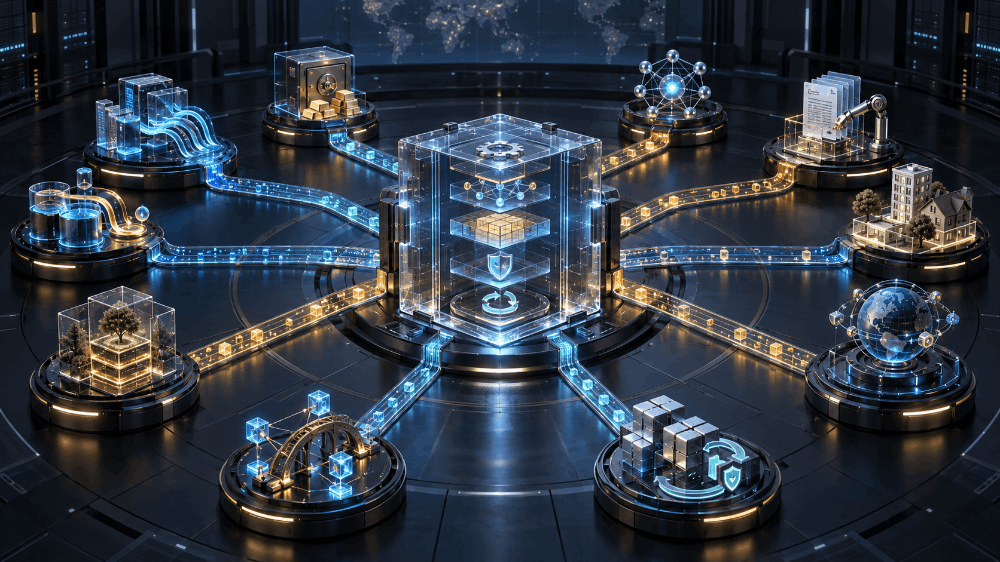
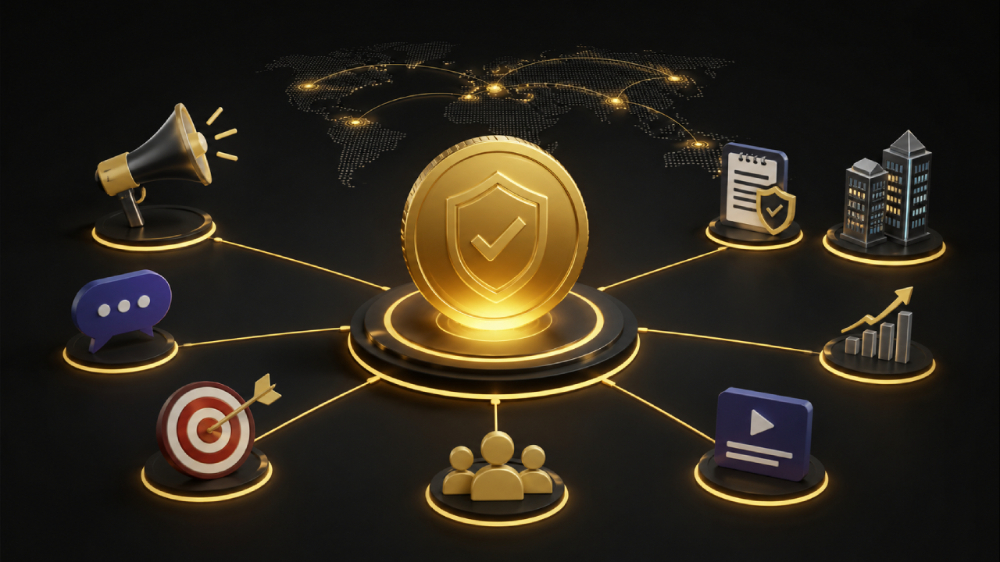
A data tokenization platform is made up of several essential components that collaborate to safeguard sensitive data and enable businesses to utilize data in a secure manner.
Data Input Layer
The data layer is the entry point to sensitive data. This data may be obtained from payment systems, enterprise software, web applications, mobile applications, and APIs. The information is passed to the tokenization engine prior to processing and storage.
Tokenization Engine
The tokenization engine is the core of the platform. Detects sensitive information and substitutes it with a distinct token. The engine also continues to link the token with the original information so that it can be retrieved in the future.
Secure Token Vault
The token vault securely stores the original sensitive data and its associated token. It serves as a secure storage site in which confidential information is contained, separated from business applications. Robust security controls are implemented to prevent any unauthorized access to the system and its data.
Access Control System
The access control system controls the access to the tokenized and original data. It employs authentication and authorization to validate and authorize only authorized users to perform sensitive operations. This assists organizations stay secure and compliant.
API Gateway
The API gateway facilitates communication between the tokenization platform and outside apps. It enables businesses to integrate the tokenization service into their current systems without causing any disruption in the daily running of the business. This simplifies implementation, and it is quicker and more efficient.
Encryption Layer
The encryption layer adds an additional level of protection for data stored within the platform as well as information transmitted between connected systems. Encryption, along with tokenization, enhances the security framework.
Audit and Monitoring Module
The audit and monitoring module logs platform activities like token generation, data access requests, and security events. These records assist organisations to stay compliant and recognize any security concerns.
How the Architecture Works
The process begins when sensitive data enters the platform through an application or API.
- Sensitive data is submitted to the platform.
- The tokenization engine generates a unique token.
- All original sensitive data is securely stored within a protected token vault to ensure it remains isolated and safe from exposure.
- The token is returned to the application.
- Business operations continue using the token instead of the original data.
- Authorized users can retrieve the original information when necessary.
This workflow minimizes the exposure of sensitive information while allowing organizations to continue operating efficiently.
Benefits of a Strong Data Tokenization Architecture
A well-designed architecture provides several advantages:
Enhanced Security
Tokenization helps to minimize exposure of sensitive data by replacing it with non-sensitive tokens. This reduces the chances for any unauthorized access and safeguards the essential data from cyber threats.
Regulatory Compliance
Numerous sectors are subject to very stringent data protection rules. Organizations can reduce the storage and use of sensitive information and thus meet standards like PCI DSS, GDPR, and HIPAA by tokenizing it.
Reduced Breach Impact
In the event of a security breach, it is more likely that the attackers would gain access to the tokens than to sensitive data. Removing the tokens doesn't actually mean that a lot of personal information has been lost, because outside the tokenization platform, tokens are meaningless.
Seamless Integration
Today's tokenization providers integrate with current business applications and infrastructure. Organizations can utilize tokenization with minimal system modifications via API and flexible integration.
Scalability
Businesses expand and so does the amount of sensitive information. A scalable tokenization architecture can support large data volumes, transactions, and ensure security and performance.
Conclusion
The components of a data tokenization platform are the data input layer, the tokenization engine, the secure token vault, the access control system, the API gateway, the encryption layer, and monitoring tools. All of these aspects contribute to the security of accessing and safeguarding sensitive data.
Data security and privacy laws are continually evolving, and businesses are seeking ways to lower risk, meet compliance standards and enhance their cybersecurity defenses. Data security and privacy regulations continually evolve, and businesses are seeking to decrease risk, satisfy compliance requirements and fortify their overall cybersecurity stance. To establish a secure and scalable data protection strategy, it's important to grasp the architecture of these platforms.