Navigating the Crypto Landscape: Opportunities, Risks, and the Future
Cryptocurrency has become one of the most talked-about innovations in finance over the last decade. From Bitcoin’s rise in 2009 to the explosion of decentralized finance (DeFi) platforms and NFTs, the crypto space has evolved rapidly. But with massive opportunity comes equally significant risk. Understanding this landscape is essential for anyone looking to explore, invest, or innovate in crypto.
The Appeal of Cryptocurrency
At its core, cryptocurrency offers a decentralized way to store and transfer value without relying on banks or traditional financial institutions. This appeals to people seeking:
- Financial freedom: Crypto allows cross-border transactions without intermediaries, often faster and cheaper than traditional banking.
- Innovation opportunities: The blockchain ecosystem fosters creativity, from smart contracts on Ethereum to decentralized apps (dApps).
- Portfolio diversification: Some investors see crypto as a hedge against inflation or fiat currency volatility.
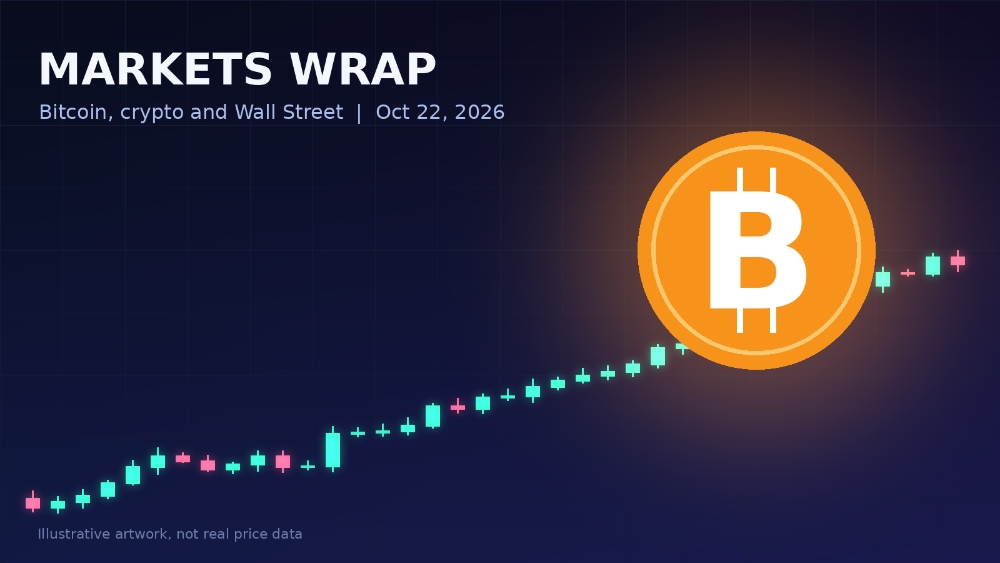
Bitcoin (BTC) remains the most recognized cryptocurrency, often referred to as “digital gold.” But the market now includes thousands of coins and tokens, each with unique use cases—from Ethereum (ETH) powering smart contracts to Solana (SOL) enabling fast, low-cost transactions.
Understanding the Risks
While crypto has tremendous potential, it also carries significant risks:
- Market volatility: Prices can swing dramatically in hours. For instance, Bitcoin dropped over 50% in value during some market crashes, making emotional trading dangerous.
- Regulatory uncertainty: Governments are still defining how to regulate crypto. Regulatory changes can impact prices and accessibility.
- Security threats: Hacks, phishing scams, and ransomware attacks have caused losses totaling billions of dollars. Using secure wallets and trusted platforms is crucial.
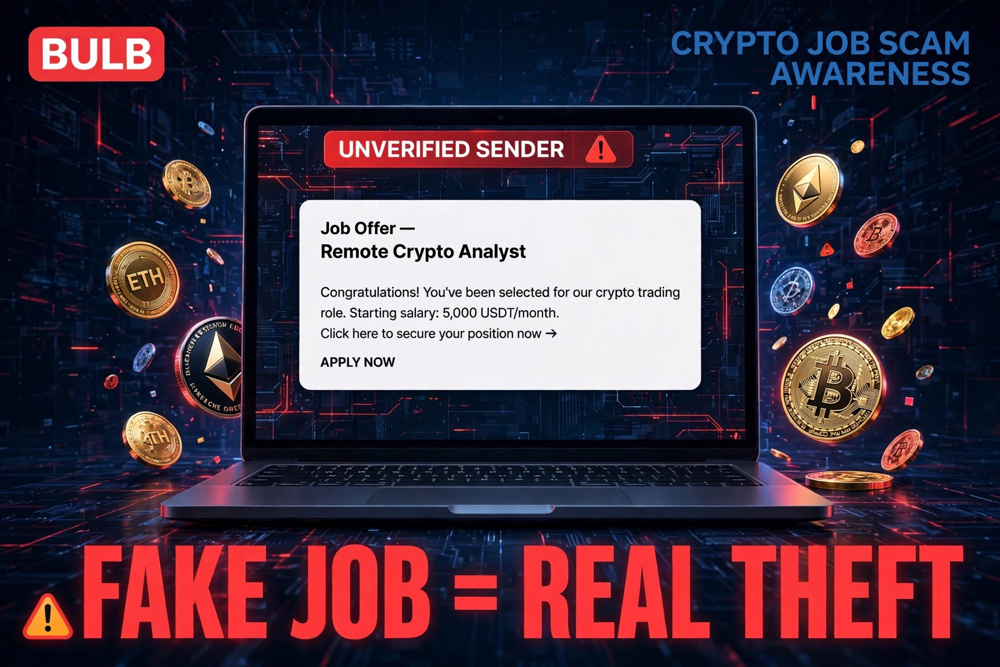
- Scams and fraud: Ponzi schemes, fake tokens, and “get rich quick” promises abound. Due diligence is essential—if it sounds too good to be true, it probably is.
Pro tip: Always use wallets where you control the private keys. Remember the mantra: “Not your keys, not your crypto.”
How to Get Started Safely
For beginners, entering the crypto space can feel overwhelming. Here’s a simple roadmap:
- Educate yourself: Learn blockchain basics, token types, and the differences between coins and tokens.
- Choose reputable platforms: Use trusted exchanges like Coinbase, Binance, or Kraken. Verify their security protocols.
- Start small: Only invest what you can afford to lose. Consider starting with small amounts to learn without risking heavily.
- Secure your assets: Use hardware wallets or secure software wallets. Enable two-factor authentication.
- Stay updated: Crypto markets move fast. Follow trusted news sources, and avoid hype-driven decisions.
The Future of Crypto
The future of cryptocurrency is tied to adoption, regulation, and innovation. Trends to watch:
- Decentralized Finance (DeFi): Financial services without banks are gaining traction, offering lending, borrowing, and yield farming.
- Stablecoins: Cryptocurrencies pegged to fiat currencies are reducing volatility and enabling real-world transactions.
- NFTs and the Metaverse: Digital ownership and immersive virtual worlds are opening new creative and financial possibilities.
- Institutional adoption: Large companies and financial institutions are integrating crypto into their systems, signaling long-term growth potential.
Despite volatility and uncertainty, crypto is increasingly seen as a legitimate asset class and a tool for financial empowerment. Knowledge, caution, and adaptability remain key to navigating this dynamic space.
Final Thoughts
Cryptocurrency is more than just an investment—it’s a shift in how we think about money, technology, and value. While there are risks, informed participation can offer rewards, whether financial, creative, or technological. The key is to approach crypto with curiosity, caution, and a commitment to continuous learning.